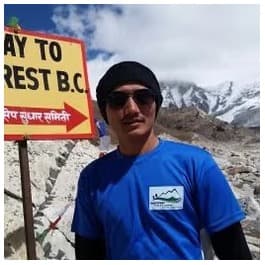
Winter transforms Nepal into a photographer's paradise and an adventure seeker's dream. The sky turns crystal-clear blue, mountain views stretch endlessly, and crowds thin out across trails and viewpoints. December through February marks the season when the Himalayas reveal themselves most dramatically, while lower elevations offer comfortable temperatures for cultural exploration and wildlife safaris.
This guide walks you through the 10 best winter destinations in Nepal, from snow-dusted hilltops near Kathmandu to warm wildlife reserves in the Terai plains. You'll discover which places deliver snow experiences, which offer comfort without the cold, and how to match destinations to your trip length, budget, and travel style.
Nepal in Winter: What to Expect Before You Choose a Place
Winter in Nepal (roughly December to February) is famous for clear skies and sharp mountain visibility, especially in the hills. Temperatures drop most at night and early morning, while days can be pleasantly mild in many areas. The biggest difference comes from altitude, so choosing the right region (Terai vs hills vs mountains) is the key to a comfortable trip.
Winter months in Nepal (Dec–Feb) and the best time for clear views
Nepal's winter runs from December through February, with January delivering the clearest mountain visibility of the year. The monsoon has ended, dust has settled, and stable high-pressure systems keep skies cloudless for days at a time. You'll see 8,000-meter peaks from viewpoints where they disappear completely during other seasons.
December still carries autumn's warmth in lower elevations but nights turn cold quickly. January brings peak clarity, locals call it the "window month" for photography, though temperatures drop to their lowest. February starts warming again, especially afternoons, while maintaining excellent visibility until late in the month when pre-monsoon haze begins building.
The dry season means minimal rain across Nepal. Snowfall concentrates above 3,500 meters, creating accessible snow experiences at places like Kalinchowk while keeping trekking routes below that elevation mostly dry. Morning frost is common at mid-elevation viewpoints (Nagarkot, Daman), but the sun warms things by mid-morning.
Winter weather by region: Terai vs Hills vs Himalaya (what feels cold where)
Nepal's winter temperature varies dramatically by elevation, what feels freezing in the mountains registers as pleasant in the lowlands.
- The Terai plains (Chitwan, Lumbini) stay comfortable at 10–25°C during the day, dropping to 5–10°C at night. You need only light layers here, making this zone perfect for travelers avoiding cold altogether.
- Hill stations (Kathmandu Valley, Pokhara, Bandipur) experience cool mornings around 2–8°C and mild afternoons reaching 15–20°C. Nights require warm clothing, but days feel spring-like once the sun climbs. Indoor heating is rare, so guesthouses feel colder inside than outside during daylight hours, a detail first-timers often miss.
- High-altitude destinations (Ghorepani, Jomsom, anywhere above 3,000 meters) drop well below freezing at night, often reaching -10 to -20°C on popular trekking routes. Daytime temperatures hover near 5–10°C in sunshine but plummet the moment you enter shade. Teahouse lodges provide blankets but minimal heating; pack a quality sleeping bag rated for the temperatures you'll face.
Wind chill becomes the dominant comfort factor above 3,500 meters. A calm sunny day at 4,000 meters feels manageable; a windy cloudy day at the same elevation feels brutally cold.
Winter festivals and seasonal experiences you might catch
Winter in Nepal coincides with several cultural celebrations that add unexpected richness to your trip. Maghe Sankranti (mid-January) marks the winter solstice with ritual baths, sesame seed treats, and community gatherings, you'll see locals celebrating if you're in Kathmandu or hill towns on this day.
Lhosar (Tibetan New Year) falls in late January or early February, depending on the lunar calendar. Communities in Mustang, Langtang, and Sherpa regions celebrate with prayer flags, monastery ceremonies, and family feasts. Visiting Jomsom or Namche Bazaar during Lhosar offers genuine cultural immersion beyond typical trekking experiences.
Pokhara hosts the Pokhara Street Festival in late December most years, filling lakeside with music, food stalls, and art displays. Chitwan celebrates Tharu cultural programs throughout winter, ask your lodge about stick dance performances and traditional music nights.
The best seasonal experience most travelers miss? Locals themselves recommend winter for temple visits. Sites like Pashupatinath and Swayambhunath feel calmer, more contemplative, without the autumn rush, you actually have space to observe rituals and architecture without crowds pressing in.
Best Places in Nepal During Winter for Snow and Mountain Views
If your goal is snow or big Himalayan panoramas, winter is when Nepal’s viewpoints shine the most. Short, high-impact trips like Kalinchowk, Nagarkot, or Daman can deliver “wow” views without demanding trekking experience. This section helps you pick places where winter adds value, clearer skies, fewer crowds, and better sunrise conditions.
1. Kalinchowk (Dolakha): easiest snow trip near Kathmandu and cable car option
Kalinchowk delivers guaranteed winter snow just 140 kilometers from Kathmandu, making it the most accessible snow destination for travelers with limited time. The hilltop sits at 3,842 meters and receives regular snowfall from December through February, creating a winter playground that requires no trekking permits or mountain experience.
You reach Kalinchowk by driving 5 to 6 hours from Kathmandu to Kuri village, then either hiking 3 hours uphill or riding Nepal's highest cable car (opened 2023) straight to the top. The cable car costs approximately USD $15 to $20 round-trip and cuts the ascent to 12 minutes, a worthy investment when snow covers the trail.
The summit offers 360-degree Himalayan views from Ganesh Himal to Everest, plus the Kalinchowk Bhagwati Temple where pilgrims come year-round. Winter visitors focus on snow activities (sledding, snowman building, photography) and sunrise viewing. Accommodation exists in basic lodges at Kuri village; some travelers complete the trip as a long day-trip from Kathmandu, though spending a night lets you catch sunrise without the pre-dawn drive.
Road conditions matter here. The route from Kathmandu to Kuri involves winding mountain roads that get icy in January; hire a 4WD jeep or join a tour with proper vehicles. Most mistakes happen when travelers attempt this trip in standard cars during peak winter, you'll either get stuck or spend hours navigating ice.
2. Nagarkot: sunrise Himalayan views without trekking
Nagarkot sits just 32 kilometers from Kathmandu and reveals an Everest-to-Annapurna panorama that rivals viewpoints requiring multi-day treks. At 2,175 meters elevation, this ridge-top village specializes in sunrise viewing without the physical demands or altitude challenges of high-country destinations.
Winter mornings bring the year's best visibility, Everest appears clearly on the eastern horizon, while Langtang, Ganesh, Manaslu, and Annapurna ranges stretch west. The actual sunrise experience involves standing on your hotel's rooftop or the Nagarkot View Tower (a short walk from most lodges) as first light paints the mountains orange-pink. Temperatures hover near freezing at dawn, but the sun warms things quickly by 7 AM.
The drive from Kathmandu takes 90 minutes on newly paved roads, making Nagarkot perfect for travelers who want mountain views but have mobility limitations or minimal vacation days. You can arrive afternoon, watch sunset, sleep, catch sunrise, and return to Kathmandu by mid-morning, a complete Himalayan viewing experience in under 24 hours.
Nagarkot offers 20-plus hotels ranging from budget guesthouses to upscale resorts. Choose properties on the ridge's east or north side for direct mountain views from your room. The village itself lacks major attractions beyond the views; you come here purely for the panorama and sunrise ritual.
Winter weekends see domestic tourist crowds, but weekdays stay quiet. Book ahead during Christmas-New Year and Nepali holidays (Maghe Sankranti in mid-January).
3. Daman: quiet winter viewpoint for big mountain panoramas
Daman holds the title for Nepal's widest Himalayan panorama from a road-accessible point, 23 peaks above 6,000 meters visible on clear winter mornings. Located 80 kilometers southwest of Kathmandu at 2,322 meters, this mountaintop village attracts far fewer visitors than Nagarkot despite offering arguably superior views.
The Everest Panorama Resort maintains a telescope tower where staff point out individual peaks from Dhaulagiri in the west to Everest in the east. Winter clarity makes this the season to actually identify peaks rather than stare at vague white shapes. You see both Annapurna and Everest massifs simultaneously, a geographic perspective impossible from most viewpoints.
Daman sits along the Tribhuvan Highway connecting Kathmandu to Hetauda, making it a logical stop on routes to Chitwan National Park. Most travelers visit as a one-night stopover rather than a destination itself; the village has limited activities beyond view-gazing and forest walks through rhododendron groves (not blooming in winter).
Winter temperatures here match Nagarkot, freezing nights, comfortable days, but Daman feels noticeably quieter. You'll often have sunrise viewpoints entirely to yourself midweek. The trade-off? Fewer hotel options (3–4 functional properties) and zero nightlife or dining variety.
The road from Kathmandu takes 3 hours and passes through areas prone to winter fog, especially early morning and late afternoon. Afternoon arrivals give you better driving conditions; you then stay overnight for sunrise before continuing onward.
4. Ghorepani–Poon Hill: the classic short winter trek for sunrise lovers
Ghorepani–Poon Hill ranks as Nepal's most popular short trek precisely because winter conditions make it accessible to first-time trekkers while delivering world-class Himalayan views. The 4- to 5-day circuit from Nayapul (1 hour from Pokhara) climbs through rhododendron forests to Ghorepani village at 2,874 meters, then summits Poon Hill (3,210 meters) for sunrise over Dhaulagiri and Annapurna ranges.
Winter brings stable weather, clear skies, and dry trails, the perfect trekking combination. You avoid monsoon leeches and spring crowds while gaining visibility that makes Annapurna South, Machhapuchhre (Fishtail), and Dhaulagiri appear close enough to touch from Poon Hill's summit platform. The sunrise experience involves hiking 45 minutes before dawn from Ghorepani to the viewpoint, joining 50 to 100 other trekkers (busy but not overwhelming), and watching the sky transform from deep blue to gold as peaks ignite with alpenglow.
Teahouse lodges operate throughout winter along this route, offering heated dining rooms (wood stoves), basic but clean rooms, and dal bhat meals that fuel your daily walking. Night temperatures drop below freezing above Ghorepani, but lodges provide thick blankets; bring a sleeping bag liner for extra warmth if you sleep cold.
The trek requires no technical skills, you're walking established trails with stone staircases, occasional metal handrails, and clear signage. Daily walking time ranges from 4 to 6 hours with multiple tea stops available. You need the Annapurna Conservation Area Permit (ACAP) at NPR 3,000 and TIMS card at NPR 2,000 for non-SAARC nationals.
Winter's main challenge? Dawn temperatures at Poon Hill reach -5 to -10°C with wind chill. Pack a down jacket, gloves, and headlamp for the pre-sunrise hike.
5. Lower Mustang (Jomsom–Muktinath): cold-desert landscapes and culture (access tips)
Lower Mustang transforms in winter from a trekking transit zone into a destination offering clear mountain views, Tibetan Buddhist culture, and dramatic high-desert landscapes. The region sits in the rain shadow of the Annapurna and Dhaulagiri ranges, receiving minimal precipitation even during monsoon, winter brings dry, sunny days with temperatures that feel warmer than elevation suggests when you're out of the wind.
You reach Jomsom (2,743 meters) by 25-minute flight from Pokhara or multi-day trek from Nayapul. Winter flights operate more reliably than spring or monsoon months, though morning departures still face occasional delays due to Kali Gandaki wind patterns. The flight itself ranks as an experience, you fly through the world's deepest gorge with Annapurna and Dhaulagiri peaks rising on either side.
From Jomsom, most travelers walk or jeep to Muktinath (3,710 meters), a sacred pilgrimage site for both Hindus and Buddhists. The temple complex sits against a dramatic backdrop of barren ridges and snow peaks. Winter brings Nepali and Indian pilgrims during major festivals, plus international trekkers completing the Annapurna Circuit in reverse direction.
Muktinath's 108 water spouts freeze partially in January, creating ice sculptures that transform the usual ritual bathing scene. Temperatures drop to -15°C at night but warm to comfortable 8–12°C during sunny afternoon hours.
Lower Mustang villages (Kagbeni, Marpha) offer authentic Tibetan culture, whitewashed homes, prayer flags, apple orchards, and gompa monasteries. Marpha specializes in apple products (brandy, cider, dried slices) made from the previous autumn's harvest. Winter means you interact with locals rather than tourist crowds; teahouses stay open but host fewer guests, creating more personal experiences.
Permits: ACAP (NPR 3,000) and TIMS (NPR 2,000). The restricted Upper Mustang region requires a separate special permit (approximately USD $500 for 10 days) and remains fully open in winter, though cold and wind intensify dramatically.
Best Places in Nepal During Winter for Culture, Lakes, and Wildlife
Not everyone wants cold mornings and higher altitude, and that’s where Nepal’s winter variety becomes perfect. Kathmandu Valley, Pokhara, Chitwan, Bandipur, and Lumbini offer a mix of culture, comfort, and nature with easier travel logistics. These spots are ideal for first-timers, families, couples, and anyone who wants a relaxed winter holiday.
6. Kathmandu Valley (Kathmandu, Patan, Bhaktapur): UNESCO heritage and food streets
Kathmandu Valley's three historic cities, Kathmandu, Patan, and Bhaktapur, deliver Nepal's densest concentration of UNESCO World Heritage Sites within 30 square kilometers, and winter brings the ideal conditions for exploring them. Cool, clear weather makes walking between temples comfortable, while thinned-out tourist numbers let you actually observe religious rituals and architecture without fighting crowds.
Kathmandu's Durbar Square, Swayambhunath (Monkey Temple), and Pashupatinath temple complex each deserve half-day visits minimum. Winter mornings at Pashupatinath reveal devotees performing ritual baths in the Bagmati River despite freezing water, a display of faith that explains the site's spiritual importance better than any guidebook. Swayambhunath offers 360-degree valley views; winter clarity means you see the Himalayan horizon beyond the city sprawl.
Patan (Lalitpur), just 5 kilometers south of Kathmandu, showcases Newari architecture and metalwork craftsmanship in its Durbar Square and surrounding bahals (courtyards). The Patan Museum ranks as Nepal's best museum for understanding the valley's artistic heritage. Winter afternoons bring locals to Patan's café-filled streets; you can sit with coffee and watch artisans hammer copper in doorway workshops.
Bhaktapur (Bhadgaon), 15 kilometers east, feels like medieval Nepal preserved, car-free squares, pottery workshops, and yogurt vendors selling juju dhau (king curd) in clay bowls. Winter lets you wander Bhaktapur's alleys without heat exhaustion or monsoon mud. Try visiting on weekday mornings when school groups haven't arrived yet.
- Entry fees apply: Kathmandu Durbar Square NPR 1,000 (foreigners); Patan Durbar Square NPR 1,000; Bhaktapur NPR 1,500. Multi-day entry passes available for Bhaktapur.
- Food streets: Thamel in Kathmandu offers international options; head to Asan Bazaar for local snacks and spice markets. Patan's café scene clusters around Jawalakhel and Durbar Square. Bhaktapur specializes in sweets (mentioned above) and traditional Newari khaja sets.
7. Pokhara: lakeside winter sunsets and easy viewpoints like Sarangkot
Pokhara combines lakeside relaxation with accessible mountain viewpoints, making it Nepal's second-most-visited destination and a winter favorite for travelers seeking comfort alongside Himalayan views. The city sits at just 827 meters elevation around Phewa Lake, maintaining pleasant 10–20°C daytime temperatures throughout winter while offering clear views of the Annapurna range rising 25 kilometers north.
Phewa Lake itself becomes the activity center, you rent paddle boats, kayaks, or sailboats and float with Machhapuchhre (Fishtail Mountain) reflected in the water. Winter brings calm lake surfaces most mornings, creating perfect mirror reflections before afternoon breezes develop. The lakeside promenade hosts cafés, bookshops, and yoga studios; you can structure days around gentle activity or complete relaxation.
Sarangkot (1,592 meters) sits 30 minutes by taxi uphill from lakeside and delivers sunrise views rivaling anywhere in Nepal. You watch first light hit Dhaulagiri, Annapurna South, Annapurna I, and Machhapuchhre while Pokhara Valley wakes below. Winter mornings require warm layers (near-freezing temperatures), but dozens of teahouses at the summit serve hot tea while you wait for sunrise.
Other easy viewpoints: World Peace Pagoda (1-hour hike or boat-plus-hike combination) offers sunset views; Pumdikot Shiva Statue (30 minutes by car) provides 360-degree panoramas; Begnas and Rupa Lakes (20 kilometers from Pokhara) stay quieter than Phewa.
Pokhara works perfectly as a rest stop between cultural touring and trekking. You might spend 2 to 3 nights here after finishing Poon Hill, using it to sort gear, catch up on sleep, and enjoy warm showers before returning to Kathmandu.
Winter sees fewer paragliding days than autumn, strong thermal currents decrease, but flights still operate most clear mornings. Book a flight if you want aerial perspectives of the Annapurna range.
8. Bandipur: cozy hill town vibes with clear winter skies
Bandipur offers the hill station experience without commercialization, a preserved Newari trading town at 1,030 meters with zero motorized traffic on its main bazaar street. Located 143 kilometers west of Kathmandu (8 hours by road) or 80 kilometers east of Pokhara (3 hours), this ridgetop village attracts travelers wanting cultural atmosphere, mountain views, and quiet evenings by woodfire.
The main bazaar stretches 400 meters, lined with 18th-century Newari townhouses converted into guesthouses, cafés, and craft shops. You walk freely without dodging motorcycles or buses, the road ends at the village edge. Winter evenings bring locals to tea stalls; you'll end up in conversations about village history, farming seasons, or Nepali politics while sipping milk tea.
Himalayan views appear from several viewpoints within 20-minute walks: Thani Mai temple (north), Tundikhel viewpoint (south), and Ramkot village trails. Winter mornings reveal Dhaulagiri, Annapurna, Manaslu, and Ganesh Himal ranges stretched along the northern horizon. The views rank below Nagarkot or Daman in sheer breadth, but Bandipur's charm comes from the combination, heritage architecture plus mountain backdrop.
Bandipur Bazaar Museum (small but informative) explains the town's history as a trading hub between India and Tibet. Siddha Cave, a 30-minute walk downhill, ranks as Nepal's largest cave and makes a half-day excursion.
Winter temperatures stay comfortable (5–18°C), warmer than higher hill stations. Most guesthouses heat common areas with wood stoves, creating cozy evening atmospheres for reading or socializing.
This destination suits travelers wanting to slow down between active trekking days. You might spend 1 to 2 nights here when transiting between Pokhara and Kathmandu rather than rushing along the highway.
9. Chitwan National Park: winter safari season (wildlife viewing + Tharu culture)
Chitwan National Park enters peak safari season during winter months when tall grasses get cut, animals concentrate near water sources, and comfortable temperatures make jungle walks pleasant rather than sweaty. Nepal's first national park protects 952 square kilometers of subtropical forest and grasslands along the Terai plains, hosting Bengal tigers, one-horned rhinos, sloth bears, and 500-plus bird species.
Winter brings the year's best wildlife viewing conditions. Park authorities burn and cut grasslands in January-February, improving visibility dramatically. Rhinos become easy to spot from elephant-back or jeep safaris. Tiger sightings remain uncommon (this isn't Africa's predator density), but winter guests have better odds than any other season. You'll definitely see rhinos, deer, monkeys, crocodiles, and impressive bird diversity.
Typical 3-day/2-night Chitwan packages include: jungle walks with naturalist guides, jeep safaris through core zones, canoe trips along the Rapti River (for crocodiles and waterbirds), elephant breeding center visits, and Tharu cultural programs. The Tharu indigenous people maintain unique stick dance traditions and rice-based cuisine distinct from hill Nepali culture.
Temperatures in Chitwan stay warm by Nepal winter standards, daytime highs reach 20–25°C, nights drop to 10–12°C. You need only light layers, making this ideal for travelers uncomfortable with mountain cold. Morning fog occasionally develops along rivers, but it typically burns off by 9 AM.
Sauraha village serves as the main tourist gateway with 100-plus lodges ranging from budget to upscale. Book lodges inside the park boundary if you want to maximize wildlife time and minimize village noise. Most visitors reach Chitwan by 5-hour tourist bus from Kathmandu or Pokhara, or 25-minute flight to Bharatpur followed by 30-minute drive.
Entry permit: NPR 2,000 for SAARC nationals, higher for others (check current rates). Most lodge packages include permits in their pricing.
10. Lumbini: peaceful monastery circuit in comfortable winter weather
Lumbini, the birthplace of Buddha, offers a completely different Nepal experience, flat, quiet, spiritual, and comfortable even in deepest winter. Located in the Terai plains 280 kilometers southwest of Kathmandu, this UNESCO World Heritage Site combines archaeological ruins with modern monastery complexes representing Buddhist traditions from 15 countries.
The sacred garden contains the Maya Devi Temple marking Buddha's exact birth spot, the Ashoka Pillar (erected 249 BCE), and excavated monastery foundations dating to the 3rd century BCE. Winter provides perfect conditions for the contemplative walking this site invites, sunny 20°C days, almost no rain, and tourist numbers that allow actual meditation rather than crowd management.
The monastery zone stretches several kilometers, divided into sections for Theravada and Mahayana traditions. You can spend a full day cycling or walking between Tibetan, Thai, Myanmar, Chinese, Japanese, and Vietnamese monasteries, each displaying distinct architectural styles and welcoming visitors for quiet observation. Some offer meditation sessions or Dharma talks, ask at reception desks.
Winter makes Lumbini accessible to travelers who find mountain destinations too cold. You need only normal warm-weather clothing here. The site's flatness suits all fitness levels and mobility abilities.
Most visitors spend 1 to 2 nights in Lumbini, staying in monastery guesthouses or Sauraha-area hotels. The town itself offers limited dining and nightlife; you come for the spiritual and historical experience rather than entertainment.
Getting there requires bus or jeep from Kathmandu (7–8 hours), Pokhara (8 hours), or Chitwan (6 hours). Winter road conditions stay good across the Terai plains. Some travelers combine Lumbini with Chitwan for a lowland cultural-wildlife circuit before or after mountain trekking.
How to Choose the Best Winter Destination in Nepal
Choosing “the best” depends on your time, comfort level, and the kind of winter experience you want. Some places are best for a quick weekend, others need a full week to feel worth it. This section makes decisions easy with “best for” guidance (snow vs views vs wildlife vs culture) and realistic travel-time expectations.
Best places for snow vs best places for comfortable temperatures
- Guaranteed snow destinations: Kalinchowk delivers accessible snow without trekking permits or altitude concerns. Ghorepani–Poon Hill and Muktinath offer snow-dusted trekking landscapes above 3,000 meters. These three destinations let you touch snow, build snowmen, and photograph winter mountain environments.
- Comfortable winter destinations (minimal cold): Chitwan National Park and Lumbini stay warm year-round; you need only light layers even in January. Pokhara lakeside maintains spring-like temperatures most winter days. Kathmandu Valley feels cool but not cold, with afternoon temperatures reaching 15–18°C.
- The middle ground: Nagarkot, Daman, and Bandipur deliver mountain views and cool hill-station weather without extreme cold. You'll experience freezing mornings, but afternoons warm up quickly. These destinations suit travelers who want some winter atmosphere without high-altitude challenges.
Choose based on your cold tolerance and whether snow matters to your Nepal experience. First-time visitors from tropical regions often prefer starting with Pokhara or Chitwan before testing their comfort with colder destinations.
Best places by trip length: weekend, 5 days, 7–10 days
- Weekend trips from Kathmandu (2–3 days): Nagarkot, Kalinchowk, Bandipur, or quick Chitwan safari. You can complete any of these destinations Friday-evening-to-Sunday-evening, returning to Kathmandu for work Monday morning.
- 5-day trips: Combine Kathmandu Valley (2 days) with Nagarkot (1 night) and Chitwan (2 nights). Alternatively, do Pokhara (2 nights) plus Poon Hill trek (3 days/2 nights) and return. Five days also works for Kalinchowk plus Kathmandu cultural touring.
- 7–10 day trips: The classic first-timer circuit runs Kathmandu (2 days), Pokhara (2 days), Chitwan (2–3 days) with Sarangkot sunrise and Poon Hill trek added as extensions. Or focus on trekking: complete Ghorepani–Poon Hill (5 days) with time before and after in Pokhara and Kathmandu.
- 10+ days: Add Lumbini for cultural depth, extend trekking to Annapurna Circuit segments, or include Lower Mustang for high-desert landscapes. Ten days lets you combine mountain trekking with wildlife safari and cultural touring without feeling rushed.
Match your trip length to realistic daily distances and rest needs, travelers underestimate how much time Nepal's mountain roads consume.
Best places by travel style: budget, family-friendly, photographers, first-timers
- Budget travelers: Poon Hill offers excellent value-for-experience in teahouse trekking (USD $30–40/day all-inclusive). Kathmandu Valley charges entry fees but accommodation and food stay cheap. Bandipur delivers atmosphere for minimal cost.
- Family-friendly destinations: Pokhara, Chitwan, and Nagarkot work well with children, short travel days, comfortable temperatures (Chitwan) or manageable cold (Nagarkot), and activities beyond pure trekking. Avoid high-altitude destinations with kids under 10.
- Photographers: Nagarkot and Daman deliver maximum mountain views for minimum effort. Poon Hill provides classic foreground-background compositions. Lower Mustang offers unique high-desert landscapes different from typical Nepal imagery. Winter's clear skies make any destination worthwhile for photography.
- First-time Nepal visitors: Start with the Kathmandu-Pokhara-Chitwan triangle. This combination shows cultural heritage, mountain landscapes, and wildlife diversity without altitude risks or trekking requirements. Add Nagarkot for a viewpoint experience if you have an extra day.
Solo travelers seeking social interaction should choose Pokhara or Poon Hill trek, lakeside cafés and teahouse routes naturally create traveler communities.
Winter Travel Essentials: Packing, Transport, Permits, and Safety
Winter travel is simple when you plan for the two main issues: cold mornings and occasional transport delays. Packing correctly (layers, gloves, warm socks) matters more than buying fancy gear, and choosing the right transport with buffer time reduces stress. If you’re trekking, permits and rules can apply, so this section keeps the basics clear and practical.
What to pack for Nepal in winter (cities vs viewpoints vs trekking)
Nepal's winter packing requirements split by elevation, what works in Kathmandu leaves you underprepared at 3,000 meters. Layering makes more sense than single heavy pieces, as temperatures swing 15–20 degrees between dawn and afternoon across all destinations.
- Kathmandu Valley and Pokhara (minimal cold): Bring jeans or light trekking pants, long-sleeve shirts, a fleece or light down jacket for evenings, and closed-toe walking shoes. Mornings start cool (5–8°C), but you'll shed layers by 10 AM as temperatures reach 15–18°C. Hotels lack central heating, so your room feels colder than outside during the day, pack warm sleepwear.
- Viewpoint destinations (Nagarkot, Daman, Sarangkot): Add a proper down jacket, gloves, and warm hat for sunrise viewing when temperatures hover near freezing. Afternoons warm enough that you walk comfortably in fleece. Thermal underwear helps during early-morning view sessions but becomes unnecessary by midday.
- Trekking routes (Poon Hill, Langtang, Lower Mustang): Pack as if camping in winter, even though you'll sleep in teahouses. You need a 4-season sleeping bag (rated -10°C minimum), down jacket, thermal base layers (top and bottom), warm hat, gloves, neck gaiter, and insulated trekking boots. Teahouse dining rooms have wood stoves, but bedrooms remain unheated, you'll wear every layer you brought while sleeping.
- Universal items: Sunscreen (SPF 50+), lip balm, sunglasses, reusable water bottle, headlamp, basic first aid including blister treatment, hand sanitizer, and toilet paper. Winter's dry air causes chapped lips and skin even at low elevations. The sun remains intense year-round at all elevations; you burn quickly without protection.
- What you don't need: Heavy rain gear (winter stays dry), mosquito repellent (cold kills mosquitoes above 1,000 meters), or multiple outfit changes (you'll wear the same trekking clothes daily).
Kathmandu's Thamel district sells or rents quality outdoor gear if you arrive underpacked. Rental costs approximately USD $1 to $2 per day for sleeping bags, down jackets, trekking poles, or duffel bags.
Winter transport reality: road conditions, fog delays, and buffer-day planning
Nepal's winter transport challenges come from fog and ice rather than monsoon landslides, but delays still disrupt tight schedules. Mountain roads (Kathmandu–Pokhara, Kathmandu–Bandipur, anything at elevation) experience dense morning fog December through February, reducing visibility to 10 to 20 meters. Tourist buses delay departures until fog lifts, turning scheduled 6-hour journeys into 8- to 10-hour reality.
Flights to mountain airports (Lukla, Jomsom, Simikot) operate more reliably in winter than monsoon, but morning wind patterns still cause cancellations. Lukla flights from Kathmandu typically shift to Ramechhap (a 5-hour drive east) during October-through-May peak season to reduce congestion, verify your actual departure airport when booking.
The Kathmandu–Pokhara highway stays fully paved and safe throughout winter, but overnight buses face fog delays. Daytime tourist buses (7 AM departures) usually clear fog zones by 9 to 10 AM. Private jeep hires give you flexibility to delay departure until visibility improves.
Ice affects high-elevation roads (Kalinchowk, Nagarkot access, Muktinath jeep route) in January. Hire experienced drivers and 4WD vehicles for these destinations. What first-timers get wrong is attempting winter mountain drives in standard sedans, you'll either turn back or need rescue.
Buffer-day planning: Build one extra day into any itinerary involving mountain flights. If your Lukla flight gets canceled, you need flexibility to wait rather than missing international connections. The same principle applies to tight overland schedules, assume everything takes 30 percent longer than advertised in winter.
Trekking permits and rules: TIMS, protected areas, and guide requirements
Nepal requires specific permits for trekking and national park entry, with rules that changed significantly in 2023 when the government made licensed guides mandatory for most routes. Understanding current regulations prevents last-minute problems when you reach checkpoints.
- Trekkers' Information Management System (TIMS) card: Required for all trekking routes; costs NPR 2,000 for non-SAARC nationals and NPR 1,000 for SAARC nationals. You purchase TIMS cards in Kathmandu or Pokhara through registered trekking agencies or the Nepal Tourism Board office. The card serves as registration and emergency contact information for rescue coordination.
- Protected area permits: National parks and conservation areas charge separate entry fees. Sagarmatha National Park (for Everest region treks) costs NPR 3,000; Annapurna Conservation Area Permit (ACAP) costs NPR 3,000; Langtang National Park costs NPR 3,000. These permits go toward conservation and local community development.
- Guide requirement: As of April 2023, Nepal requires foreign trekkers to hire licensed guides for most trekking routes. You cannot trek independently even on well-marked trails like Poon Hill. Guides must hold government-issued licenses (verify the laminated card) and carry proper insurance. The rule exists for trekker safety and local employment, enforcement happens at permit checkpoints.
- Restricted areas: Upper Mustang, Dolpo, Kanchenjunga, and several other regions require special permits costing USD $500 for 10 days. These permits come only through registered agencies; you cannot obtain them individually.
Permit purchasing works smoothly through trekking agencies. You provide passport copies and photos; the agency handles applications and pickup. If you're organizing your own trek, budget 1 full day in Kathmandu or Pokhara for permit paperwork, you cannot complete this online or at trailheads.
Ready-to-Use Winter Itineraries
Many travelers know what they want but struggle to turn it into a day-by-day plan, especially in winter. This section gives you quick itinerary structures (like 5, 7, or 10 days) so you can combine culture, views, and wildlife smoothly. It also answers the most common winter questions so you don’t get stuck on small details.
5-day Nepal winter itinerary (culture and views)
- Day 1 (Kathmandu): Arrive Kathmandu; transfer to Thamel-area hotel. Afternoon visit to Swayambhunath (Monkey Temple) for valley panorama and sunset; 1 hour exploring the stupa complex. Evening walk through Thamel for trip planning and equipment checks.
- Day 2 (Kathmandu Valley): Morning tour of Kathmandu Durbar Square (2 hours) plus Pashupatinath temple complex (2 hours). Afternoon drive to Patan (30 minutes); explore Patan Durbar Square and museum until 5 PM. Return to Kathmandu or stay in Patan guesthouse.
- Day 3 (Nagarkot): Morning drive to Bhaktapur (1 hour); spend 3 hours exploring the medieval city and sampling juju dhau. Afternoon drive to Nagarkot (1 hour); arrive by 4 PM for sunset viewing. Overnight in Nagarkot hotel with mountain-view rooms.
- Day 4 (Nagarkot to Pokhara): Wake before dawn for Nagarkot sunrise (Everest visible on clear mornings). Return to Kathmandu by 10 AM (2 hours); tourist bus to Pokhara departing 11 AM to noon. Arrive Pokhara evening (6–7 hours); settle into lakeside hotel.
- Day 5 (Pokhara): Pre-dawn taxi to Sarangkot for sunrise viewing (30 minutes up); watch Annapurna range light up. Return to Pokhara for breakfast. Morning boat ride on Phewa Lake (2 hours). Afternoon visit to World Peace Pagoda or relax lakeside. Evening departure or overnight depending on flight schedule.
This itinerary shows Nepal's cultural highlights plus two mountain-view experiences without trekking. Modify Day 3 to Kalinchowk if snow matters more than heritage sites.
7–10 day Nepal winter itinerary (Pokhara, Chitwan and add-on snow/trek)
- Days 1–2 (Kathmandu): Arrival day plus full cultural tour (Swayambhunath, Pashupatinath, Patan or Bhaktapur). Organize trekking permits and gear rental if planning Poon Hill addition.
- Days 3–4 (Pokhara): Drive or fly to Pokhara (6–7 hours by road; 25 minutes by air). Spend 1 full day on lakeside activities (boating, paragliding if conditions allow, visiting Sarangkot sunrise). Second morning drive to Nayapul (1.5 hours) to start Poon Hill trek, OR stay extra day in Pokhara and skip trekking.
- Days 5–7 (Poon Hill trek - optional): Day 5 trek Nayapul to Tikhedhunga to Ghorepani (6–7 hours); overnight at 2,874 meters. Day 6 pre-dawn hike to Poon Hill for sunrise; return to Ghorepani for breakfast; trek to Tadapani (3 hours). Day 7 trek Tadapani to Ghandruk to Nayapul (6 hours); jeep to Pokhara; overnight lakeside.
- Alternative Days 5–7 (Chitwan safari): Drive Pokhara to Chitwan (5 hours). Three days of jungle activities (jeep safaris, canoe trips, jungle walks, Tharu cultural programs). Morning of Day 7 final safari activity; afternoon drive to Lumbini (6 hours).
- Days 8–9 (Lumbini): Full day exploring sacred garden, monastery zone by bicycle. Second day drive back to Kathmandu (7–8 hours with stops) or fly Bhairahawa to Kathmandu (35 minutes).
- Day 10 (Departure or buffer): Extra day in Kathmandu for shopping, rest, or covering any fog/flight delays from earlier in the trip.
This framework gives you culture, mountains, and wildlife in 10 days with modifications possible based on your priorities.
Where can I see snow in Nepal during winter without high-altitude trekking?
See guaranteed snow in Kalinchowk (3,842 m) via cable car from December to February. Nagarkot and Daman may see light snow in January. Ghorepani and Poon Hill have snow above 3,000 m but require two days of trekking. Lower Mustang offers light snow with flight access and minimal walking.
Is winter actually good for trekking in Nepal?
Winter is a good trekking season in Nepal, second only to autumn. From December to February, skies stay clear and trails stay dry. Nights are colder and days shorter, especially above 3,000 meters. Teahouses remain open on main routes but may close on remote ones. Lower treks are ideal; high passes need proper gear.
What mistakes do first-time winter visitors make?
First-time winter visitors often underestimate mountain cold, skip travel insurance, and book flights without buffer days. A 0°C day feels colder at altitude due to wind and thin air. Winter weather delays flights often. Trekking speed is 20–30% slower due to frozen trails and shorter daylight.
Is winter a good time to visit Nepal?
Winter is a great time to visit Nepal for clear views and fewer crowds. Days are mild, mornings and nights colder. With good planning by altitude and buffer days for transport, travel is smooth.
Where can I see snow in Nepal during winter?
See snow in higher hill and mountain areas during winter. Some areas near Kathmandu get occasional snow, but high-altitude locations offer better chances, especially after a cold front.
How cold is Kathmandu and Pokhara in winter?
Kathmandu is cold in mornings and nights but mild during the day. Pokhara is warmer and better for relaxed sightseeing. Bring layers, as indoor heating is rare.
Is it safe to trek in Nepal during winter?
Trekking is safe in winter on short, popular routes with preparation. Dress in layers, start early, and stick to known trails. Use a guide for safety if unsure.
What should I pack for Nepal in winter?
Pack layers: base, warm mid, and windproof outer. Include gloves, warm hat, socks, grippy shoes, and a thermos. For trekking, add a warm sleeping layer and headlamp.
How many days do I need for a Nepal winter trip?
Plan 4–5 days for one region like Kathmandu or Pokhara. Add days for Chitwan or treks. Keep your itinerary light to enjoy winter views.
Which winter places are best for beginners?
Beginners enjoy Kathmandu, Pokhara, Nagarkot, Bandipur, and Chitwan for easy logistics and mild weather. These spots offer views and activities without trekking.
Are roads and flights affected in winter?
Fog can delay flights and snow can slow roads in winter. Most travel runs smoothly, but keep a buffer day for safety. Start early to avoid late cold.
Do I need permits for winter travel in Nepal?
City and lowland travel need no permits. Trekking routes may require permits depending on region. Confirm with local tourism or agencies before going.
What’s the best winter itinerary for first-time visitors?
First-timers should visit Kathmandu and Pokhara, with Chitwan as an optional add-on. Add a short trek like Poon Hill if desired. Prioritize sunrise viewpoints and travel slow.
Nepal Intrepid Treks specializes in winter departures with curated lodge selections, safety equipment (pulse oximeters and medical oxygen on high routes), and experienced licensed guides who know seasonal trail conditions. Our small-group winter itineraries include buffer days for weather flexibility and 24/7 operations support. Contact us to design your winter Nepal experience or browse ready-to-book winter packages for Everest, Annapurna, and Langtang regions.