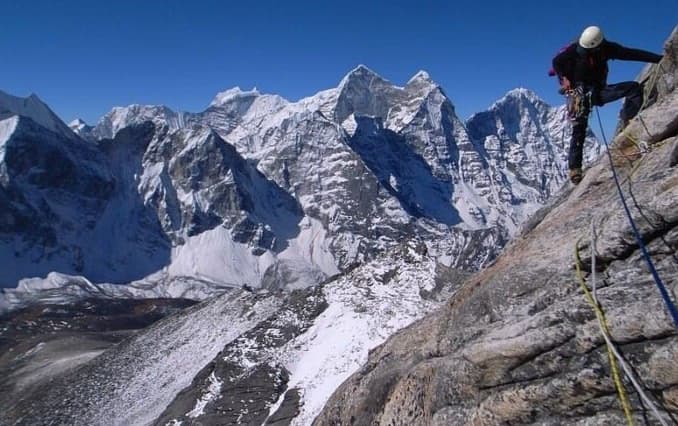
A trek in the Himalayas is more than a journey through Nepal's mountains; it is an opportunity to experience one of the world's most revered spiritual landscapes. Stretching across sacred peaks, glacial rivers, ancient monasteries, and centuries-old mountain communities, the Himalayas have shaped the beliefs of Hinduism, Tibetan Buddhism, and the Bon tradition for thousands of years. Every trail through regions such as Everest, Annapurna, Langtang, Upper Mustang, and Tsum Valley connects breathtaking alpine scenery with pilgrimage routes, living monasteries, sacred landmarks, and cultural traditions that continue to define Himalayan life today.
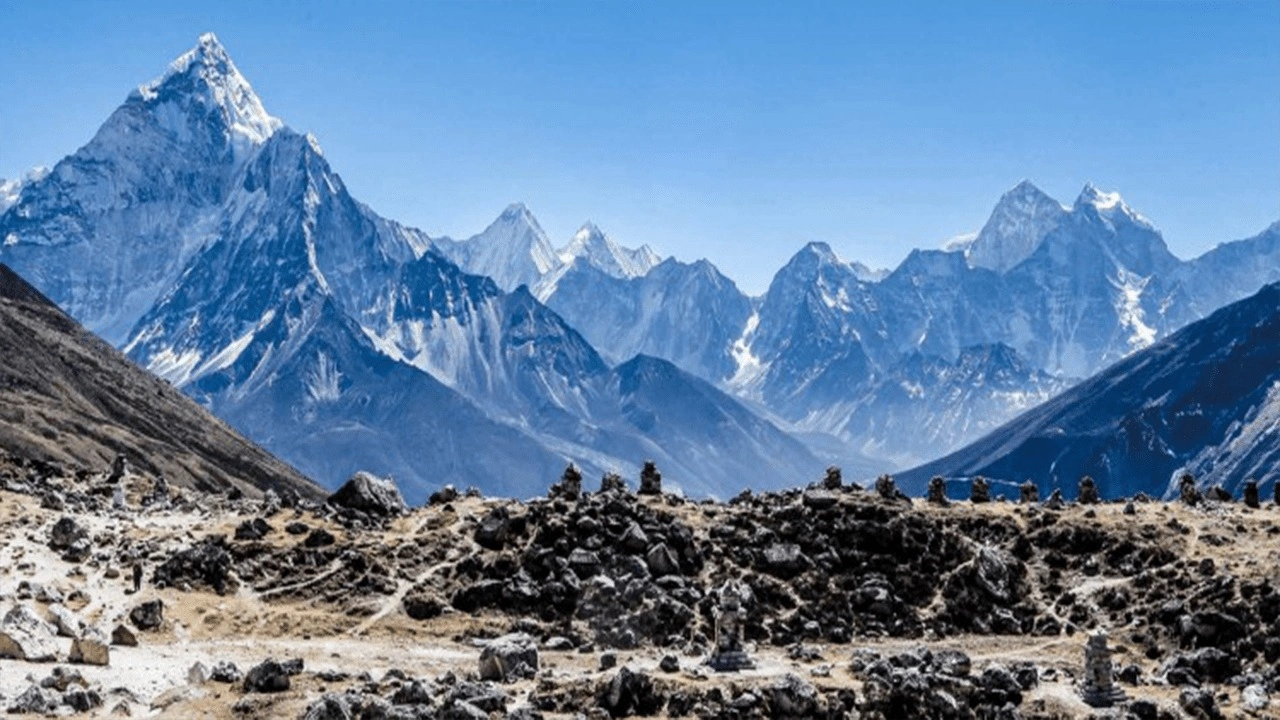
The spiritual value of Himalayan trekking extends beyond reaching a destination. Days of high-altitude walking, simple teahouse living, mindful travel, and meaningful interactions with Sherpa and other Himalayan communities create space for reflection, resilience, and personal growth. Understanding the sacred significance of the mountains, respecting local customs, visiting monasteries and prayer sites, preparing responsibly for altitude, and choosing the right trekking season and route all contribute to a more rewarding experience. This guide explores the spiritual heritage of the Himalayas, the regions that offer the deepest cultural immersion, practical trekking preparation, and the experiences that transform a mountain adventure into a meaningful personal journey.
Why Are the Himalayas Considered a Sacred Destination?
The Himalayas are considered a sacred destination because Hinduism, Buddhism, and the older Bon tradition all anchor their cosmology to specific peaks, rivers, and mountain passes inside the range. Mount Kailash, the glacial source of four major Asian rivers including the Indus and Brahmaputra, and the summit of Annapurna each carry protected religious status that predates organized trekking tourism by well over a thousand years.
What Makes the Himalayas Spiritually Significant?
Three of Asia's largest river systems, the Ganges, the Indus, and the Brahmaputra, originate from Himalayan glaciers, which is why Hindu cosmology treats the range as a source of life rather than a backdrop to it. Machapuchare, at 6,993 meters in the Annapurna region, has never been officially summited: the American Alpine Club's 1957 expedition record shows Roberts' party turning back on the final ridge, and no climbing permit has been issued since, because it is considered the home of Lord Shiva. Mount Everest carries the Tibetan name Chomolungma, meaning Mother Goddess of the World, a name used in prayer long before the first successful summit in 1953. Altitude itself functions as a spiritual metaphor across these traditions: physical ascent toward thinner air parallels a practitioner's ascent toward clarity.
Which Cultures and Religions Shape Himalayan Traditions?
Four community groups shape most of what trekkers experience on the trail: Sherpa communities practicing Tibetan Buddhism in the Khumbu, Tamang communities blending Buddhism and animist ritual in Langtang, Gurung and Magar villages along the trail mix Hindu shrines with Buddhist prayer flags, often within the same family compound, in a conservation area NTNC's own bird handbook records as home to 518 species, including all six of Nepal's native pheasant species. Bon, the pre-Buddhist animist tradition of the Himalayas, still survives in isolated valleys such as Dolpo and parts of Mustang, layered underneath later Buddhist practice rather than replaced by it.
How Can Trekking Transform Your Mind and Spirit?
Trekking transforms the mind through three mechanisms working at once: sustained physical exertion, removal from digital stimulation, and prolonged exposure to scale. Walking eight to ten kilometers a day at altitude for a week or more produces psychological effects that a weekend hike cannot replicate.
How Does Nature Encourage Inner Reflection?
Mobile signal disappears above many trail junctions in the Khumbu and Annapurna regions, removing the notification cycle that normally fragments attention. The physical rhythm of walking, one foot after another for six to eight hours, functions as a moving meditation in the same way that walking meditation works in Zen and Theravada practice. Trekkers describe a specific shift around day three or four of a trek, when conversation slows and attention moves outward toward the trail and the mountains instead of inward toward planning and worry.
Why Do Simplicity and Slow Travel Deepen Self-Awareness?
A trekking day in Nepal has a fixed shape: wake, eat, walk, arrive, eat, sleep. This repetition strips away the dozens of small daily decisions that normally consume mental energy at home. Teahouse meals center on dal bhat, a rice and lentil plate eaten by most Nepali households daily, which removes food choice from the list of things to think about. The structure resembles a retreat far more than a vacation, and that resemblance is the point: less choice creates more room for attention.
What Personal Benefits Do Trekkers Commonly Experience?
Trekkers commonly report four recurring shifts after a multi-day trek: reduced anxiety, sharper present-moment focus, a changed relationship with daily stress at home, and a measurable drop in phone-checking behavior once trail signal disappears. What most people overlook is that the benefit compounds after the trek ends rather than during it. The adjustment period back into city life, often lasting a week or two, is where trekkers report the clearest before-and-after contrast in attention and mood.
Which Himalayan Regions Offer the Most Spiritual Experiences?
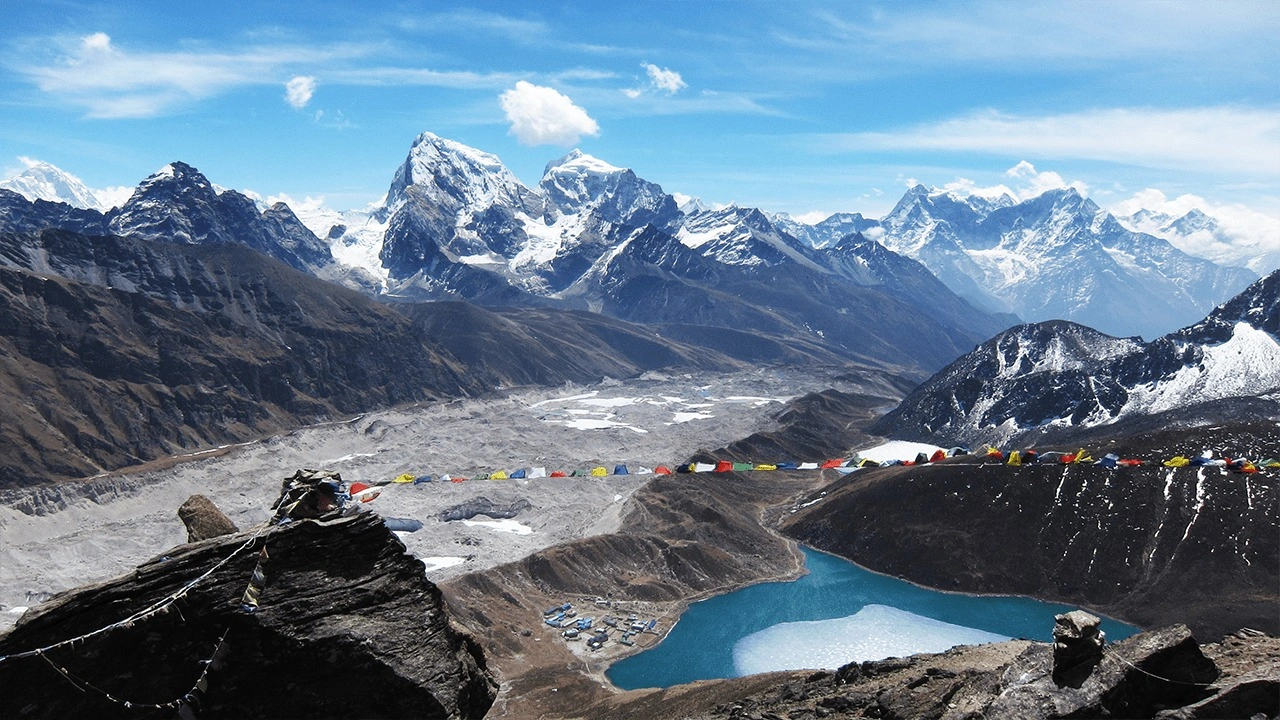
Four regions deliver the strongest spiritual return for trekkers: Everest, Annapurna, Langtang, and a group of lesser-known restricted areas including Upper Mustang and Tsum Valley. Each region pairs a distinct religious tradition with a distinct type of terrain, so the right choice depends on what kind of spiritual experience a trekker wants.
Why Is the Everest Region Spiritually Inspiring?
Tengboche Monastery, at 3,867 meters in the Khumbu valley, is the largest monastery in the region and the central venue for Mani Rimdu, the most important festival in the Sherpa religious calendar. The monastery belongs to the Nyingma order of Tibetan Buddhism and has been rebuilt twice, once after a 1934 earthquake and again after a 1989 fire, a history that mirrors the resilience trekkers come to associate with Sherpa culture itself. Mani Rimdu's exact public dates shift every year according to the Tibetan lunar calendar and are confirmed by the monastery only months in advance, typically landing in October or November. Trekkers walking our Everest Base Camp Trek pass directly through Tengboche on the standard route to base camp.
What Makes the Annapurna Region Ideal for Reflection?
The Annapurna Conservation Area, which NTNC's own habitat survey shows covers 7,629 sq. km, 35.10% of Gandaki Province, is the largest protected area in Nepal, and the trail to Annapurna Base Camp ends inside a natural amphitheater locals call the Annapurna Sanctuary. Machapuchare's unclimbed, sacred status gives the whole sanctuary a different atmosphere than summit-focused treks elsewhere in Nepal: there is no base camp tent city here, only the mountain itself. Gurung and Magar villages along the trail mix Hindu shrines with Buddhist prayer flags, often within the same family compound. Many trekkers end the descent at Jhinu Danda's natural hot springs, a physical ritual that functions as an informal closing ceremony after days on the trail. Our Annapurna Base Camp Trek follows this exact route.
How Does the Langtang Region Blend Nature and Culture?
Langtang National Park, gazetted on 26 March 1976 under Nepal's National Parks and Wildlife Conservation Act as the country's first Himalayan national park, reaches its cultural and spiritual center at Kyanjin Gompa, beside a glacier the park's own management plan identifies as the closest to any human settlement in the world. Tamang villages along the route were heavily damaged in the 2015 earthquake, and trekking here now visibly supports a community that rebuilt higher up the valley slope rather than abandoning it. A two-day side trip from the main trail reaches Gosaikunda, a glacial lake held sacred in Hindu mythology as the spot where Shiva struck a mountain with his trident to create drinking water, and the site of a major pilgrimage during the August festival of Janai Purnima. Our Langtang Valley Trek reaches Kyanjin Gompa in roughly five trekking days from Kathmandu, without a domestic flight.
Which Lesser-Known Himalayan Trails Offer Peace and Solitude?
Upper Mustang, Tsum Valley, and the Nar Phu Valley sit behind restricted area permits that keep trekker numbers low by design rather than by remoteness alone. Upper Mustang's walled former royal capital, Lo Manthang, preserves Tibetan Buddhist culture that survived largely intact because the region stayed closed to outside visitors until 1992. Tsum Valley, often called a beyul or hidden sacred valley in Tibetan Buddhist tradition, holds cliff-cave monasteries that predate most monasteries on the main trekking circuits. These regions require a registered guide and a restricted area permit processed through Nepal's Department of Immigration, costs that run noticeably higher than standard conservation area fees, which is precisely what keeps the trails quiet. Our Upper Mustang Trek reaches Lo Manthang and, on departures timed to the lunar calendar, the Tiji Festival, confirmed for June 1 to 3 in 2027.
What Spiritual Landmarks Can You Visit During a Himalayan Trek?
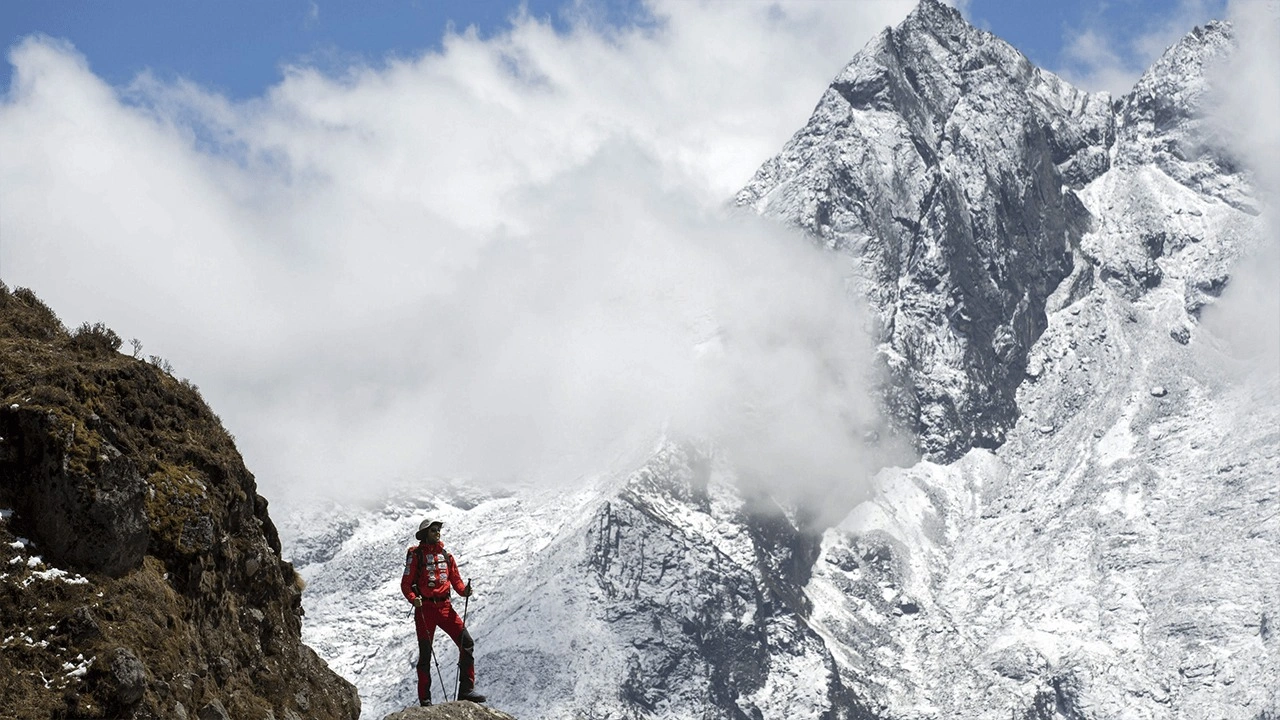
A Himalayan trek passes three categories of spiritual landmark: monasteries, prayer structures such as stupas and mani walls, and informal shrine sites maintained by individual villages. Recognizing what each structure means changes how a trekker walks past it.
Why Are Monasteries an Important Part of the Journey?
A gompa is a fortified Tibetan Buddhist monastery, often built on a ridge or hilltop for both defensive and symbolic reasons, that functions as an active center of daily practice rather than a museum. Monks at Tengboche, Kyanjin Gompa, and Ghar Gompa in Mustang, the oldest monastery in the region with origins traced to the 8th century, conduct prayer sessions on a daily schedule that trekkers can usually observe by arriving in the early morning or late afternoon. Visiting a working monastery means stepping into someone else's daily religious practice, not a static historical site.
Which Prayer Sites, Stupas, and Mani Walls Hold Cultural Meaning?
Mani stones are flat rocks carved with the mantra Om Mani Padme Hum, the central mantra of Avalokiteshvara, the Buddha of compassion, and they accumulate along trail edges over generations rather than appearing all at once. Chortens and stupas, dome-shaped shrines containing relics or sacred texts, mark trail junctions and village entrances throughout Buddhist-influenced regions. Prayer flags use five colors representing five elements: blue for sky, white for air, red for fire, green for water, and yellow for earth, and Buddhist tradition holds that wind carries the printed prayers outward as the fabric weathers and fades. Prayer wheels, hand-spun or water-powered depending on location, release the same mantra with each rotation.
How Can You Respect Sacred Places While Trekking?
Walk clockwise around mani walls, stupas, and chortens, since counterclockwise movement runs against Tibetan Buddhist custom. Ask before photographing monks, ceremonies, or the interior of an active prayer hall, since a tourist's camera inside a private ritual moment is a common source of friction between visitors and monasteries. Remove hats and shoes before entering a monastery's main prayer room, and keep voices low regardless of how empty the space looks. Common mistakes we see include trekkers treating mani walls as photo backdrops rather than walking past them with the same clockwise direction locals use without exception.
How Can You Connect With Local Himalayan Communities?
Trekkers connect with local Himalayan communities by staying in family-run teahouses, asking questions about daily life rather than only photographing it, and timing a trip around a local festival when possible. The teahouse system itself, unique to Nepal among major trekking destinations, is built for this kind of contact.
What Can You Learn From Sherpa and Mountain Cultures?
Sherpa hospitality customs treat a guest's comfort as a household obligation rather than a transaction, a norm that traces back to a yak-based subsistence economy where shelter and food were shared as a matter of survival before tourism existed. Sir Edmund Hillary and Tenzing Norgay's first ascent of Everest in 1953 turned Sherpa mountaineering skill into a global reputation, but the deeper cultural value worth learning from is the Buddhist concept of interdependence that still shapes how Khumbu villages organize labor, food, and emergency support today.
How Do Traditional Festivals and Daily Rituals Enrich the Experience?
Mani Rimdu in the Khumbu, Tiji in Upper Mustang, Dashain and Tihar across the country, and Losar, the Tibetan New Year typically falling in February, give a trek a fixed cultural anchor point rather than a generic itinerary. A trek timed around one of these dates turns village life into something trekkers participate in rather than observe from the trail. Daily rituals matter just as much: morning incense burning, butter lamp offerings, and the simple act of circling a chorten before starting the day's walk happen whether or not a festival is underway.
Why Is Responsible Cultural Interaction Important?
Treating a religious ceremony as a performance staged for visitors misreads what is actually happening in front of you. Ask a guide before joining a ritual, tip guides and porters fairly for the role they play in community income, and avoid handing out sweets or money directly to children, a practice that disrupts local norms more than it helps. Responsible interaction protects the same cultural openness that allows trekkers to be welcomed into these spaces at all.
How Should You Prepare for a Spiritually Focused Himalayan Trek?
Preparation for a spiritually focused Himalayan trek covers three areas: physical conditioning, packing for comfort rather than excess, and basic environmental responsibility. None of this requires monastic training, only a realistic assessment of what eight hours of daily walking at altitude actually demands.
What Physical and Mental Preparation Is Helpful?
Eight to twelve weeks of cardiovascular training before departure, built around hill walking, stair climbing, or running, prepares most trekkers for the daily demands of a teahouse trek. A short daily breathing or meditation practice in the weeks before departure carries over directly into the trail's rhythm, since both rely on the same skill: returning attention to the breath when it wanders. Setting an intention beyond reaching a summit or base camp, such as noticing one new detail each day or sitting in silence near a monastery for ten minutes, gives the spiritual side of the trip something concrete to anchor to.
What Should You Pack for Comfort and Mindfulness?
Layered clothing handles the temperature swing between a warm midday sun and a cold evening at altitude better than any single heavy jacket. A small notebook, a headlamp with spare batteries, and a personal water bottle with a filter or purification tablets cover the practical basics without turning a packing list into the focus of the trip. Leaving room in the bag for nothing in particular, rather than packing every gadget available, matches the simplicity the trek itself is meant to teach.
How Can You Travel Responsibly in Fragile Mountain Environments?
Carry out what you carry in, since solid waste management in remote villages depends entirely on porters and yaks hauling rubbish back down the valley. Use a reusable bottle with a filter instead of buying bottled water, which has no recycling infrastructure above most trailheads. Stay on marked trails through forest sections that double as wildlife corridors, including red panda habitat in parts of Langtang, and keep a respectful distance from grazing yaks and pack animals on narrow trail sections.
What Challenges Can Strengthen Your Spiritual Journey?
Physical difficulty on a Himalayan trek is not an obstacle to the spiritual experience, it is one of the main ways that experience happens. Discomfort, fatigue, and altitude stress remove the option of coasting through the trip on autopilot.
How Can You Stay Present During Difficult Climbs?
Counting breaths during a steep ascent gives the mind a single, simple task instead of letting it spiral toward how much farther the climb continues. Focusing on the next twenty steps rather than the summit or the day's destination keeps attention anchored to the present moment, which is the same technique used in walking meditation traditions. Physical discomfort, used this way, becomes an anchor for attention rather than a distraction from it.
What Lessons Can High-Altitude Trekking Teach About Resilience?
The climb high, sleep low principle, never sleeping at a higher altitude than you reached earlier in the day without proper acclimatization, forces a kind of patience that most modern routines never demand. What most people overlook before their first high-altitude trek is that turning back or resting an extra day at 4,000 meters is not failure, it is the entire skill the mountain is teaching. Altitude does not respond to willpower, and trekkers who learn that lesson on the trail tend to carry the same humility back into how they handle pressure at home.
When Is the Best Time to Experience a Spiritual Trek in the Himalayas?
Spring, from March to May, and autumn, from September to early December, are the two best windows for a spiritually focused Himalayan trek. Both seasons combine stable weather with a calendar of major festivals, which matters as much as trail conditions for this kind of trip.
How Do Different Seasons Influence the Journey?
Spring brings rhododendron forests into bloom across Annapurna and Langtang and aligns with Buddha Jayanti, a national holiday marking the Buddha's birth. Autumn carries the heaviest festival concentration of the year, including Dashain, Tihar, and Mani Rimdu, alongside the clearest mountain visibility most operators recommend for first-time trekkers. Winter, from December through February, narrows trail options; while Upper Mustang offers total solitude, extreme sub-zero temperatures force most locals to migrate south and teahouses to close, making spring or autumn a much safer choice for cultural immersion. Monsoon season, from June through August, brings lush green hillsides to lower-elevation routes but also leeches on forested trail sections and a higher landslide risk on unstable slopes.
What Weather and Trail Conditions Should You Expect?
Daytime temperatures near Everest Base Camp during peak spring and autumn months hover between 0 and 5 degrees Celsius, dropping to minus 10 degrees Celsius or lower at night near the highest camps. Lower-altitude sections of Annapurna and Langtang stay considerably milder, often between 15 and 20 degrees Celsius during the day in October. Trails are driest and most stable during the spring and autumn windows, while winter adds ice on shaded, higher-altitude sections that benefit from microspikes.
How Should You Choose the Right Himalayan Trek for Your Goals?
The right Himalayan trek depends on three factors: prior trekking experience, available time, and how much solitude you want relative to monastery access. No single trek suits every spiritual goal equally well.
Which Trek Best Matches Your Experience and Interests?
First-time trekkers drawn to a shorter, contemplative introduction tend to do well on our Mardi Himal Trek, a quieter Annapurna-region route with far fewer trekkers per day than the main base camp trails. Trekkers prioritizing monastery access and a major festival window suit the Everest region best. Trekkers seeking maximum solitude and the deepest cultural preservation belong in a restricted area trek through Upper Mustang or Tsum Valley, both of which require advance permit planning.
How Long Should Your Spiritual Trek Be?
A five- to seven-day trek works as an introductory, retreat-style trip for trekkers testing whether high-altitude walking suits them. A ten- to fourteen-day trek, the most common length for Everest and Annapurna base camp routes, allows full immersion with proper acclimatization days built in. A fifteen-day or longer trek, typical for restricted-area routes or festival-timed itineraries such as Tiji, suits trekkers who want the trip to function as a genuine pilgrimage rather than a single highlight.
How Can Nepal Intrepid Treks Help You Experience a Meaningful Himalayan Journey?
Nepal Intrepid Treks builds spiritually focused itineraries around monastery access, festival timing, and licensed guide support, since every major trekking route in Nepal now legally requires a guide from a registered agency. Local knowledge matters most exactly where a generic itinerary falls short: knowing which monastery courtyard gives the clearest festival view, or which acclimatization day to add before a high pass.
How Does Nepal Intrepid Treks Create Authentic Spiritual Trekking Experiences?
We process every permit your trek requires, from standard conservation area fees to restricted area permits for regions like Upper Mustang, and we time departures to confirmed festival dates rather than rough estimates, as with our Tiji Festival itinerary built around the monastery-confirmed 2027 dates. Our guides come from the regions they lead trekkers through, which means monastery visits, village stays, and festival access run through relationships built over years rather than a script. If a spiritual goal matters more to you than a summit photo, tell your guide on day one. Itineraries flex around acclimatization needs, monastery visiting hours, and quiet time at sacred sites far more easily than they flex around a packed group schedule decided in advance.
What Are the Key Takeaways About a Trek in the Himalayas as a Spiritual Journey?
A trek in the Himalayas becomes a spiritual journey through the combination of physical effort, monastic culture, and sustained distance from ordinary routine, not through any one dramatic moment at a summit. Everest offers the strongest monastery and festival access, Annapurna offers the most accessible reflection-focused route, Langtang offers culture and nature within easy reach of Kathmandu, and the restricted regions offer the deepest solitude for trekkers ready to plan further ahead. Spring and autumn remain the most reliable seasons, and the right trek length depends on whether you want an introduction or a full pilgrimage. If you are ready to plan a Himalayan trek built around reflection as much as adventure, our team can match a route, season, and itinerary length to what you are actually looking for.