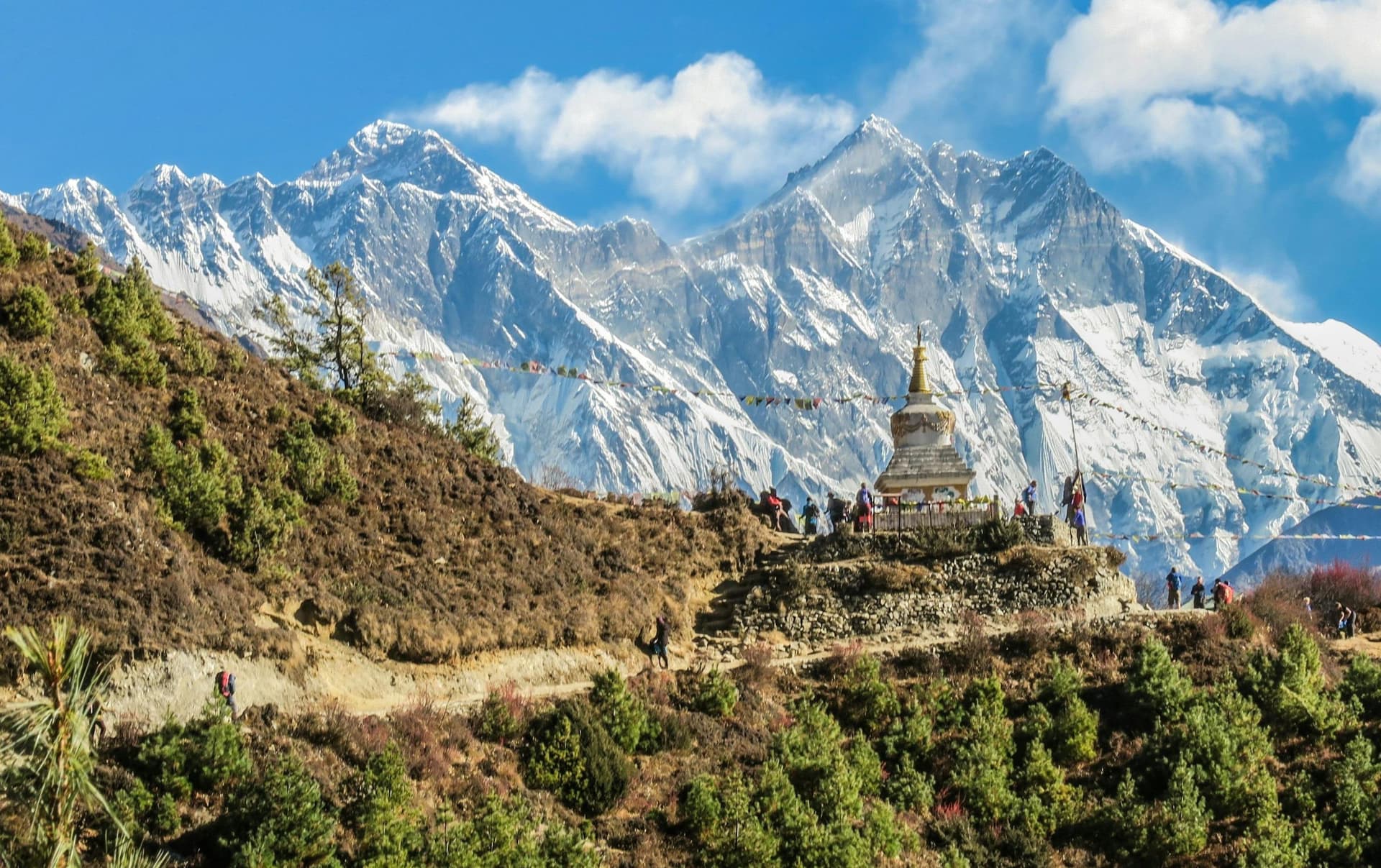
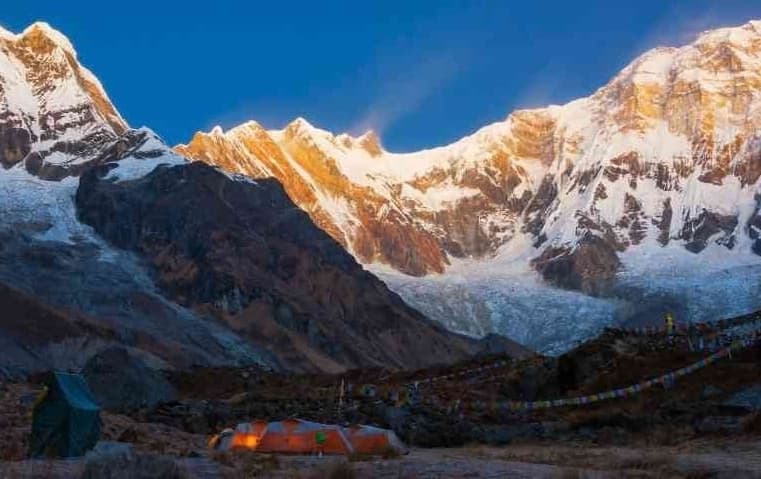
Nepal stands as one of the most diverse trekking destinations on Earth, where dramatic altitude shifts, deep cultural landscapes, and a vast network of established Himalayan trails converge within a single country. From subtropical valleys to glacier-fed high passes above 5,000 meters, trekking routes connect iconic regions such as Everest, Annapurna, and Langtang, each offering distinct terrain, culture, and challenge levels supported by a widespread teahouse system that makes high-altitude trekking unusually accessible.
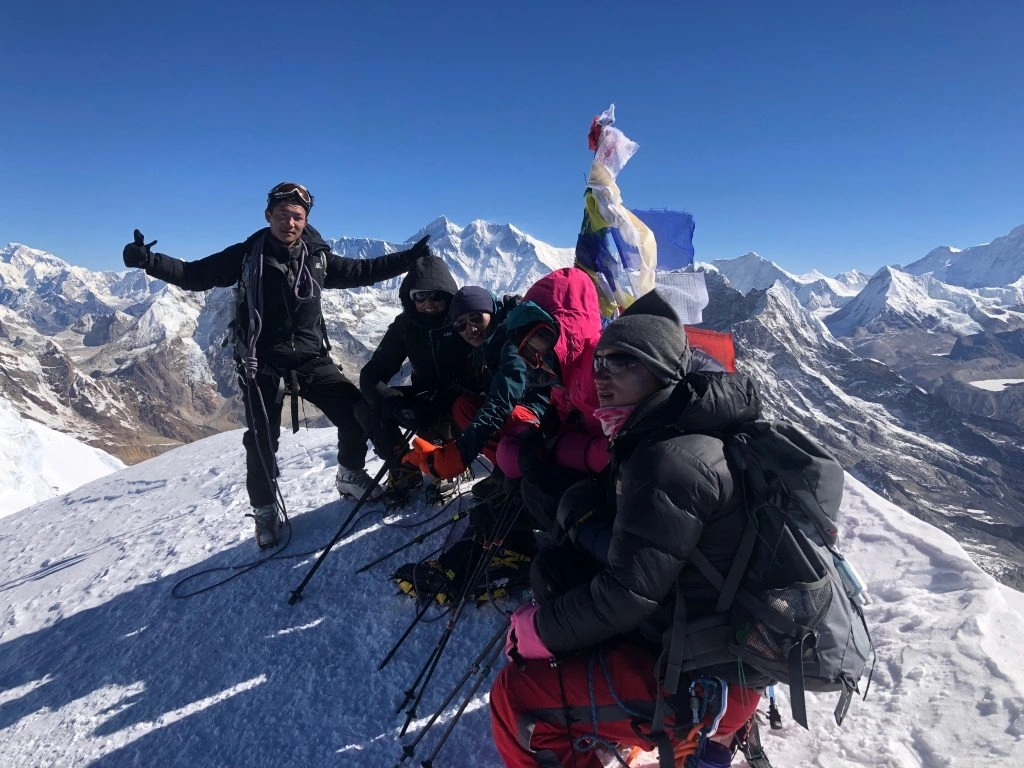
Planning a trek in Nepal requires more than route selection, it demands an understanding of seasonal weather windows, permit structures, acclimatization strategies, equipment requirements, and safety protocols that govern movement in high-altitude environments. Successful trekking also depends on respecting local mountain communities, preparing physically for sustained elevation gain, and making informed logistical decisions such as guide selection and risk management, all of which transform a Himalayan journey into a safe and structured expedition.
What Makes Trekking in Nepal So Popular?
Nepal trekking is popular because it combines world-record altitude with accessible trail infrastructure, dramatic ethnic diversity, and a well-established teahouse network that lets trekkers of all budgets spend weeks in the high Himalayas without expedition-level logistics.
3 core factors drive Nepal's dominance as a trekking destination:
Altitude range: Trails climb from subtropical forest at 800 meters to glacier moraines above 5,500 meters within a single trek, creating unmatched landscape variety.
Route density: More than 30 documented major trekking routes exist, ranging from 3-day introductory circuits to 24-day wilderness crossings.
Cultural layering: 125 distinct ethnic groups live along trekking corridors, giving trekkers direct access to Sherpa, Gurung, Tamang, Thakali, and Rai communities that have shaped Himalayan culture for centuries.
What most people overlook: Nepal's teahouse system is the real competitive advantage. No other Himalayan nation, not India, Bhutan, or Tibet, offers the same density of affordable lodges on high-altitude trails. A trekker on the Annapurna Circuit passes a teahouse every 45–90 minutes on average, removing the need for camping gear on most standard routes.
When Is the Best Time to Trek in Nepal?
The 2 optimal trekking seasons in Nepal are October–November and March–May. October and November deliver the clearest skies, firmest trails, and most stable weather after the monsoon. March through May offers warmer temperatures, rhododendron blooms, and fewer trekkers than autumn.
A month-by-month breakdown clarifies the trade-offs:
Month | Season | Visibility | Trail Conditions | Crowd Level |
October | Post-monsoon | Excellent | Dry, firm | High |
November | Post-monsoon | Very good | Dry, cooling | Moderate |
December | Winter | Good | Snow above 4,500m | Low |
January | Winter | Clear | Heavy snow, passes closed | Very low |
February | Winter | Clear | Snow clearing | Low |
March | Pre-monsoon | Good | Wet lower trails | Moderate |
April | Pre-monsoon | Good | Rhododendron season | Moderate |
May | Pre-monsoon | Hazy | Warm, pre-monsoon dust | Moderate |
June–September | Monsoon | Poor | Leeches, landslides | Very low |
The common mistake: choosing late November without checking specific pass elevations. Thorong La Pass on the Annapurna Circuit regularly closes for 3–5 days at a time from mid-November onward due to snowfall. High-altitude passes above 5,000 meters become genuinely dangerous after mid-November without proper equipment and local knowledge.
Which Are the Most Popular Trekking Routes in Nepal?
Nepal's 3 most popular trekking routes are the Everest Base Camp Trek (14–18 days), the Annapurna Circuit (12–21 days), and the Langtang Valley Trek (7–12 days). Each route targets a different experience, glacial Everest views, cultural circuit diversity, and accessible alpine wilderness respectively.
What Is the Everest Base Camp Trek Like?
The Everest Base Camp Trek is a 130-kilometer round trip from Lukla airport to 5,364 meters at the base of the world's highest mountain, taking 14–18 days with 6–8 hours of walking per day through Sherpa villages, Buddhist monasteries, and high-altitude glacial terrain.
The trek begins with a 35-minute flight from Kathmandu to Lukla (2,840m), one of the world's most dramatic airport landings. From Lukla, the trail ascends through Namche Bazaar (3,440m), the commercial hub of the Khumbu region, before reaching Tengboche Monastery, Dingboche, Lobuche, and finally Gorak Shep (5,164m) and Base Camp itself.
Key experience data points:
For a proven EBC acclimatization schedule, the minimum is 2 dedicated rest days, one at Namche Bazaar (3,440m) and one at Dingboche (4,410m), before pushing higher.
Highest sleeping altitude: Gorak Shep at 5,164 meters
Physical intensity: 6–8 hours of daily walking on rocky, uneven terrain
Highlight side trip: Kala Patthar (5,545m) delivers the closest panoramic view of Everest's summit pyramid
What competitors miss: EBC itself is not visually dramatic. It is a rubble-strewn glacier camp. The real reward is Kala Patthar at sunrise, where Everest, Lhotse, Nuptse, and Pumori form a continuous wall of ice and rock. Budget at least one extra day in your itinerary for this side trip.
What Is the Annapurna Circuit Trek Experience Like?
The Annapurna Circuit Trek is a 160–230-kilometer loop around the Annapurna Massif, crossing the Thorong La Pass at 5,416 meters, passing through 7 distinct climate zones, and connecting 40+ villages across Gurung, Thakali, and Tibetan Buddhist cultural territories over 12–21 days.
The circuit crosses Nepal's deepest gorge, the Kali Gandaki, flanked by Dhaulagiri (8,167m) and Annapurna I (8,091m), which creates one of the most geologically dramatic walking corridors on earth. The trail transitions from subtropical rice paddies near Besisahar (760m) to high-altitude desert at Mustang's rain shadow near Manang (3,519m) within 5 days of walking.
3 experiences unique to this route:
Thorong La Pass crossing: A 1,000-meter ascent and 1,600-meter descent completed in a single 6–8 hour push from Thorong Phedi
Kagbeni and Upper Mustang access: A medieval Tibetan-style town at 2,810 meters that feels architecturally unchanged from the 14th century
Natural hot springs at Tatopani: A restorative stop after Thorong La, sitting at 1,190 meters with outdoor thermal pools fed directly by geothermal springs
Road construction has altered sections of the classic circuit. The jeep road from Besisahar now reaches Chame, cutting 3–4 days of lower-elevation walking. Most experienced trekkers start at Chame or Dharapani to preserve the high-altitude wilderness experience.
What Is the Langtang Valley Trek Known For?
The Langtang Valley Trek is known for combining high-altitude glacier access with dense Tamang and Tibetan cultural immersion within 7–12 days and 65 kilometers, making it the closest major Himalayan trek to Kathmandu at only 7 hours by road, the top choice for trekkers with limited time.
Langtang sits 51 kilometers north of Kathmandu, inside Langtang National Park. The valley was devastated by the 2015 earthquake, which triggered an avalanche that destroyed Langtang village entirely. The community has rebuilt, and trekking here now directly supports local economic recovery.
What makes Langtang distinctively different from EBC and Annapurna:
Wildlife density: Red pandas, Himalayan black bears, snow leopards, and 250+ bird species inhabit the park
Yak cheese production: The valley contains Nepal's highest-elevation cheese factories, producing yak cheese at Kyanjin Gompa (3,870m)
Tsergo Ri viewpoint: A 4,984-meter summit above Kyanjin offering 360° views of Langtang Lirung (7,227m) and the Tibetan plateau
What Permits Are Required for Trekking in Nepal?
Trekking in Nepal requires a minimum of 2 permits: the TIMS Card (Trekkers' Information Management System) at NPR 2,000 for independent trekkers, and the relevant national park or conservation area permit, which ranges from NPR 1,000 to NPR 3,000 depending on the region.
The complete permit structure by region:
Trek Area | Required Permits | Cost (NPR) | Where Obtained |
Everest Region | TIMS + Sagarmatha NP Permit | 2,000 + 3,000 | Kathmandu or Monjo checkpoint |
Annapurna Region | TIMS + ACAP Permit | 2,000 + 3,000 | Kathmandu or Besisahar |
Langtang Region | TIMS + Langtang NP Permit | 2,000 + 3,000 | Kathmandu or Syabrubesi |
Mustang Region | Restricted Area Permit | USD 500/10 days | Kathmandu only |
Manaslu Region | Restricted Area Permit | USD 100–150/week | Kathmandu only |
TIMS Cards are obtained from the Nepal Tourism Board office in Kathmandu (Pradarshani Marg) or from registered trekking agencies. Checkpoints on all major trails verify permits, missing permits result in fines and forced return to the nearest checkpoint.
The most common permit mistake: assuming permits purchased in Kathmandu cover the entire trek. Sagarmatha National Park issues a separate entry permit at the Monjo checkpoint for EBC trekkers who forgot to obtain one in advance. The cost is identical but the queue adds 1–2 hours to a hiking day.
How Difficult Is Trekking in Nepal for Beginners?
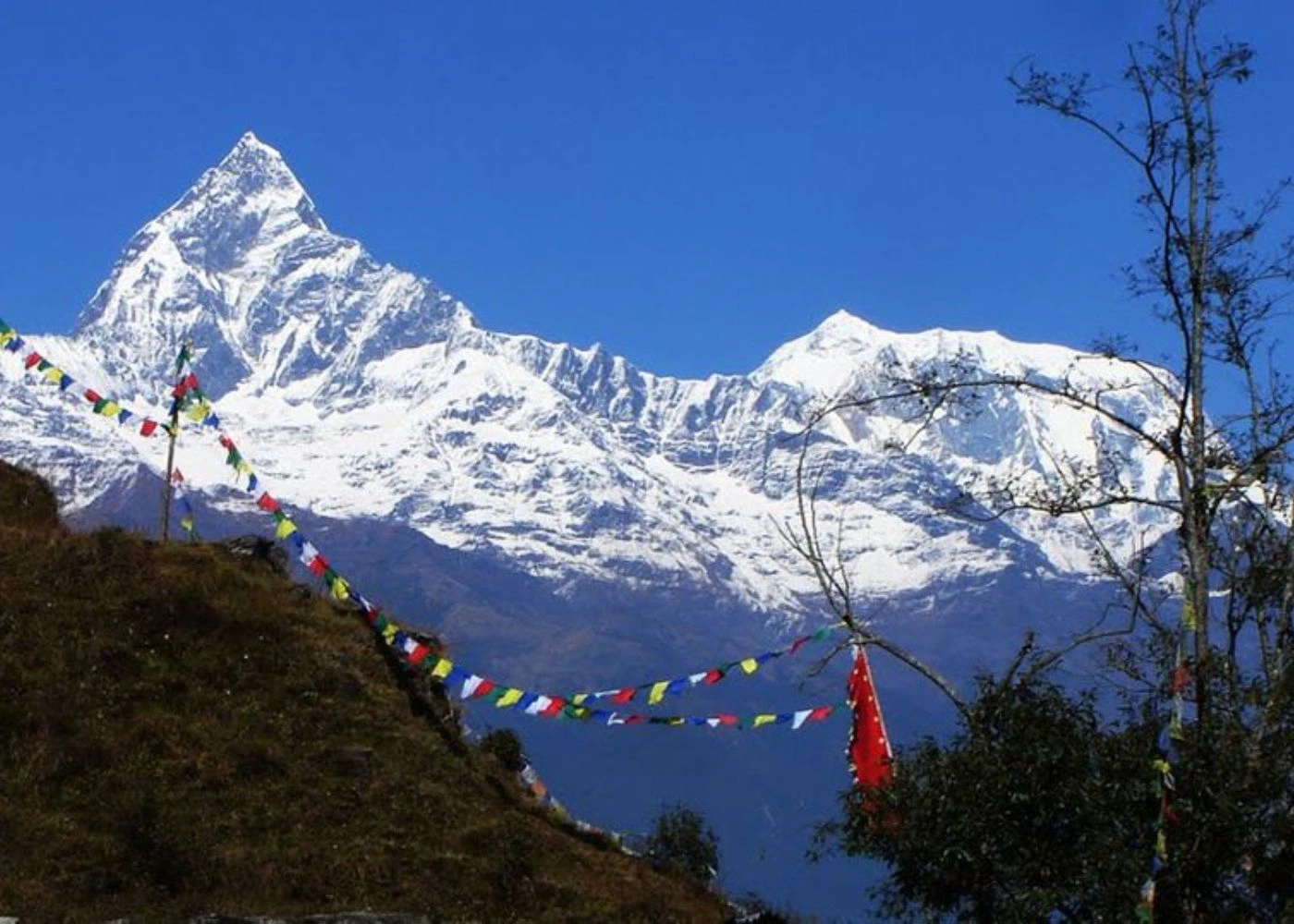
Trekking in Nepal ranges from Grade 1 easy walks to Grade 5 technical expeditions. Beginners with average fitness complete the Ghorepani Poon Hill Trek (4–5 days, maximum altitude 3,210m) or the Langtang Valley Trek (7 days) comfortably with 3–4 weeks of pre-trek aerobic conditioning.
Difficulty is determined by 3 variables: daily elevation gain, maximum sleeping altitude, and terrain type.
Beginner-friendly routes meet these criteria:
Maximum single-day elevation gain under 800 meters
Highest sleeping altitude under 3,500 meters
Maintained stone-paved (paved stone staircase) or clear dirt trail surface
The Ghorepani Poon Hill Trek qualifies on all 3 counts. It reaches 3,210 meters at Poon Hill viewpoint, gains a maximum of 1,000 meters in a single day (Ghorepani to Poon Hill), and follows well-maintained stone staircases throughout.
What most trekking guides understate: the descent is harder on the body than the ascent for beginners. Sustained downhill on stone steps over 4–6 hours creates acute knee stress. Trekking poles and pre-trek quad strengthening exercises (step-downs, single-leg squats) reduce injury risk by a measurable margin.
What Should You Pack for Trekking in Nepal?
A Nepal trekking pack weighs 8–12 kilograms and includes layered clothing for temperature swings of 25°C within a single day, a quality sleeping bag rated to -10°C for high-altitude teahouses, sturdy ankle-support hiking boots, and a water purification system. For a complete gear breakdown by category, review the full Nepal trekking equipment checklist before you start purchasing or renting.
The complete packing list by category:
Clothing (layering system):
1 moisture-wicking base layer (top and bottom)
1 mid-layer fleece or down jacket (600-fill minimum)
1 waterproof hardshell jacket and pants
2 pairs trekking pants or convertible zip-offs
4 pairs moisture-wicking trekking socks
1 warm hat, 1 sun hat, gloves, and neck gaiter
Footwear:
1 pair broken-in waterproof hiking boots with ankle support
1 pair lightweight camp sandals or flip-flops for teahouses
Health and safety:
Diamox (acetazolamide), 250mg tablets for altitude sickness prevention
Oral rehydration salts (8 sachets minimum)
Water purification tablets or SteriPen UV purifier
Blister kit: moleskin, Compeed, medical tape
Personal first-aid kit with ibuprofen, antihistamine, and Imodium
Gear:
55–65L backpack with rain cover
2 trekking poles
Headlamp with 2 sets of spare batteries
Portable power bank (20,000mAh minimum, electrical supply is unreliable above 3,500m)
What to leave behind: heavy dSLR camera setups over 1.5kg, cotton base layers (cotton retains moisture and causes hypothermia at altitude), and more than 3 changes of clothing. Teahouses in Namche, Manang, and Kyanjin offer laundry service for NPR 150–300 per item.
How Do You Prepare Physically for Trekking in Nepal?
Physical preparation for Nepal trekking requires a 6–8-week conditioning program combining aerobic endurance training (4 sessions per week), progressive load-carrying hikes (starting at 5kg, building to 10kg), and targeted leg strength work emphasizing quad, glute, and calf engagement.
A structured 8-week preparation timeline:
Weeks 1–2: 30–40 minutes of sustained aerobic activity (cycling, swimming, or fast walking) 4 times per week. Focus on elevating heart rate to 65–75% of maximum.
Weeks 3–4: Introduce 60–90-minute hikes with a loaded pack (5–7kg) twice per week. Add stair climbing 3 times per week.
Weeks 5–6: Extend hikes to 3–4 hours with 8–10kg pack. Include elevation gain of 300–500 meters per hike where terrain allows.
Weeks 7–8: Simulate trekking days with back-to-back 4–6-hour hikes on consecutive days to train muscle recovery and identify equipment issues before departure.
Strength training priorities:
Downhill eccentric quad control: Step-downs from a 30cm box, 3 sets of 15 reps each leg
Calf raises: 3 sets of 20 on a stair edge for Achilles tendon resilience
Hip flexor flexibility: Daily stretching routine of 10 minutes
The overlooked preparation element: practice sleeping at altitude beforehand if possible. Spending even 2 nights above 3,000 meters at a local ski resort or mountain destination before flying to Nepal accelerates acclimatization once you arrive.
What Are the Costs of Trekking in Nepal?
A standard Nepal trek costs USD 40–80 per day for independent trekkers covering permits, teahouse accommodation, and 3 meals. The 16-day Everest Base Camp Trek with a licensed guide and porter adds USD 30–60 per day to that baseline, totaling USD 2,135–3,780 all-inclusive for most trekkers.
Detailed cost breakdown for a 14-day EBC trek:
Expense Category | Estimated Cost (USD) |
International flights (round trip) | 600–1,200 |
Kathmandu accommodation (2 nights) | 20–60 |
Domestic flight Kathmandu–Lukla (return) | 350–420 |
Permits (TIMS + Sagarmatha NP) | 45–50 |
Teahouse accommodation (14 nights) | 70–140 (USD 5–10/night) |
Meals on trail (3/day, 14 days) | 280–560 (USD 20–40/day) |
Licensed guide (14 days) | 280–420 (USD 20–30/day) |
Porter (14 days) | 210–280 (USD 15–20/day) |
Travel insurance | 80–150 |
Gear and equipment (if purchasing) | 200–500 |
Total range | USD 2,135–3,780 |
The biggest hidden cost trekkers miss: charging electronics and WiFi at teahouses. Above Namche Bazaar, charging fees run NPR 200–500 per device per charge, and WiFi costs NPR 200–500 per hour. Budget an additional USD 30–50 for connectivity alone on a 14-day EBC trek.
What Safety Tips Should You Follow While Trekking in Nepal?
The 5 critical safety practices for trekking in Nepal are: ascending no more than 500 meters per day above 3,000 meters, registering with local checkpoints, carrying a comprehensive first-aid kit, purchasing travel insurance with helicopter evacuation coverage of at least USD 10,000, and trekking with a licensed guide in remote regions.
Additional safety protocols:
Water safety: Tap and stream water in Nepal carries Giardia, E. coli, and cryptosporidium. Treat all water with purification tablets, a UV pen, or a ceramic filter. Bottled water above base camp costs NPR 300–600 per liter, avoid it for environmental and cost reasons.
Trail safety: Never trek solo in remote regions. The Manaslu and Dolpo circuits record the highest rates of solo trekker emergencies due to trail-marking gaps.
Weather monitoring: Check morning cloud formation at the mountain summits before committing to a high pass. Cumulonimbus formation above 7,000m peaks by 10:00 AM signals afternoon storms, experienced guides recognize this pattern.
Communication: Carry a charged phone with the TAAN (Trekking Agencies Association of Nepal) emergency number: +977-1-4700991. Above 4,500 meters, Ncell and Nepal Telecom coverage becomes unreliable, satellite communicators like Garmin inReach provide reliable emergency contact.
How Do You Handle Altitude Sickness in Nepal Treks?
Altitude sickness in the Himalayas occurs when ascent rate exceeds the body's acclimatization capacity. The 3-stage progression runs from Acute Mountain Sickness (AMS) at 2,500–4,500 meters, to High Altitude Pulmonary Edema (HAPE), to High Altitude Cerebral Edema (HACE), the last 2 being life-threatening emergencies requiring immediate descent of 500–1,000 meters.
Recognizing each stage:
Acute Mountain Sickness (AMS): Headache, fatigue, nausea, dizziness, and disrupted sleep within 6–12 hours of arriving at a new altitude. AMS affects 25–40% of trekkers at Namche Bazaar (3,440m) and up to 75% at Lobuche (4,940m) without proper acclimatization.
HAPE (High Altitude Pulmonary Edema): Fluid accumulation in the lungs producing persistent dry cough, shortness of breath at rest, pink or frothy sputum, and blue-tinged lips. HAPE is the leading cause of altitude-related death. Immediate descent of 1,000 meters and supplemental oxygen are the first-line responses.
HACE (High Altitude Cerebral Edema): Fluid on the brain causing severe headache unresponsive to ibuprofen, loss of coordination (ataxia, test with heel-to-toe walking), and altered mental status. HACE requires helicopter evacuation within hours.
The 3 AMS prevention strategies with proven efficacy:
Gradual ascent: Gain no more than 500 meters of sleeping altitude per day above 3,000 meters, with a rest day every 3rd day
Diamox (acetazolamide): 125–250mg twice daily starting 24 hours before ascent, continued for 48 hours at target altitude, reduces AMS incidence by 47–70% in clinical studies
Hydration: 3–4 liters of purified water daily at altitude, dehydration accelerates AMS progression
The rule no article states clearly enough: no medication overrides the need to descend when HAPE or HACE symptoms appear. Diamox treats AMS. It does not treat pulmonary or cerebral edema.
What Culture and Local Etiquette Should You Know?
Nepal trekking corridors pass through deeply religious Buddhist and Hindu communities where 6 etiquette practices define respectful behavior: walking clockwise around stupas and mani walls, removing shoes before entering monasteries and homes, asking permission before photographing people, using the right hand for giving and receiving, dressing modestly above the knees in villages, and never pointing feet toward religious objects.
Context behind each practice:
Mani walls and stupas represent Buddhist prayers physically inscribed in stone. Passing them on the left (clockwise, from the Buddhist perspective) aligns with the direction of prayer recitation and is considered auspicious.
Photography consent is especially important with older Sherpa and Tamang women, many of whom hold traditional beliefs about photographs capturing spirit energy. A simple gesture, pointing to the camera and then to them with a questioning expression, communicates the request universally.
Monastery entry: Remove boots, not just untie them. Leave a small donation (NPR 50–100) in the donation box, monasteries along trekking routes are funded almost entirely by trekker contributions.
The left hand is considered ritually impure in Hindu culture. Use the right hand or both hands when receiving food, chang (local barley beer), or gifts from hosts.
Tipping culture: tipping guides and porters is standard practice, not optional. The recommended tip is USD 5–10 per day for guides and USD 3–5 per day for porters, paid at the end of the trek in cash (Nepali rupees preferred).
What Wildlife and Nature Can You See While Trekking?
Nepal's trekking corridors pass through 3 biologically distinct zones, subtropical, temperate, and alpine, supporting 900+ bird species, 650+ butterfly species, snow leopards, red pandas, Himalayan musk deer, and 2 UNESCO World Heritage natural sites at Sagarmatha and Chitwan National Parks.
The 5 most sought-after wildlife encounters by trekking region:
Snow leopard (Panthera uncia): Best sighting probability in the Dolpo and Upper Mustang regions between February–April when prey species move to lower elevations. Population density: 1–2 individuals per 100 square kilometers.
Red panda (Ailurus fulgens): Langtang National Park and the Kangchenjunga Conservation Area support the highest-density red panda habitat in Nepal. Active in early morning between 06:00–09:00 at 2,000–4,000 meters elevation in bamboo-rich forest.
Himalayan tahr (Hemitragus jemlahicus): Common above 3,500 meters on the EBC route and Annapurna Circuit. Rocky cliff faces near Tengboche and Manang regularly show herds of 10–20 individuals.
Lammergeier (bearded vulture): Nepal holds one of Asia's largest breeding populations. Thermal updrafts along the Kali Gandaki gorge concentrate 8–15 individuals at altitudes between 3,000–5,000 meters.
Rhododendron forests: 32 of Nepal's 36 native rhododendron species bloom between March and May on the Annapurna and Everest approach trails. The 3,000–3,500-meter elevation band produces the densest blooms, most spectacularly on the Ghorepani–Poon Hill route.
What Are Common Mistakes Trekkers Make in Nepal?
The 7 most common trekker mistakes in Nepal are: ascending too fast without acclimatization days, packing excessive weight above 12 kilograms, skipping travel insurance with helicopter evacuation, underestimating cold at altitude, ignoring water purification, trekking without a licensed guide in restricted zones, and booking the cheapest available agency without verifying licensing.
Each mistake and its real-world consequence:
Ascending too fast: The single most common cause of helicopter evacuations on EBC and Annapurna. Trekkers who skip the Namche acclimatization day develop AMS at Tengboche (3,860m) and require evacuation costing USD 2,000–5,000, fully covered only by proper travel insurance.
Over-packing: Every additional kilogram above 10kg increases fatigue accumulation by approximately 3% per hour of trekking at altitude. Trekkers carrying 15–18kg packs frequently abandon treks at Dingboche or Manang due to knee and hip pain.
No insurance: A helicopter evacuation from EBC costs USD 3,000–5,000 without insurance. Trekking agencies and Kathmandu hospitals require payment confirmation before arranging rescue.
Cotton clothing: Cotton wet with sweat or rain loses all insulating properties. Above 4,000 meters, wet cotton clothing in 0°C wind creates genuine hypothermia risk within 30–60 minutes.
Booking unlicensed agencies: Nepal requires trekking agencies to register with the Tourism Department (registration certificate visible at the agency office). Unlicensed operations employ guides without first-aid certification and frequently misrepresent itinerary safety margins.
What Accommodation Options Exist on Nepal Trekking Routes?
Nepal trekking routes offer 3 accommodation categories: teahouses (basic private rooms with shared toilets, USD 2–8/night), lodges (semi-private rooms with attached bathrooms, USD 8–25/night), and luxury trekking lodges from Yeti Mountain Home and Everest Summit Lodges (USD 100–300/night on a full-board basis).
The teahouse system is the backbone of Nepal's trekking industry. A standard teahouse provides:
A private room with 2 single beds and a foam mattress
Shared squat or Western toilets (1 per 4–6 rooms average)
A central dining hall with a cast-iron stove, the primary heat source above 3,500m
Dal bhat, noodle soup, fried rice, pancakes, and garlic soup as standard menu items
Electricity for 2–4 hours per evening (solar-generated above 3,500m)
Above 4,500 meters on the EBC route (Lobuche, Gorak Shep), accommodation quality drops significantly. Rooms are colder, thinner-walled, and more crowded. A high-quality sleeping bag (-10°C rated) becomes essential rather than optional at this elevation.
The Annapurna Circuit offers the highest average teahouse quality of the 3 major routes, with Manang and Pisang hosting several lodges with attached bathrooms, heated dining rooms, and reliable WiFi, infrastructure the Everest route at equivalent altitudes does not match.
How Should You Plan Your Trekking Experience in Nepal with Local Guides and Services?
Planning a Nepal trek requires 4 sequential decisions: choosing a route matched to your fitness and timeline, booking flights into Kathmandu 3–6 months in advance for peak season (October–November), arranging permits and guide services through a licensed trekking agency in Nepal, and building a 2-day Kathmandu buffer for gear sourcing, permit processing, and acclimatization.
A proven 4-week planning timeline:
4 weeks before departure:
Confirm route, dates, and total budget
Book international flights and Kathmandu accommodation
Contact 3–5 TAAN-registered trekking agencies for quotes
Arrange travel insurance with helicopter evacuation coverage
3 weeks before departure:
Confirm guide and porter bookings with signed contracts specifying daily wage, tip expectation, and equipment provision
Order or purchase primary gear items requiring break-in time (boots, pack)
Begin physical conditioning program
1–2 weeks before departure:
Obtain Nepal visa (available on arrival at Tribhuvan International Airport for USD 25/15-day or USD 40/30-day)
Confirm Lukla flight booking, Lukla flights cancel frequently due to fog; book with an agency that handles rebooking at no additional cost
Download offline maps via Maps.me or Gaia GPS for your specific route
In Kathmandu (2-day buffer):
Collect TIMS card from Nepal Tourism Board or through your agency
Purchase any remaining gear from Thamel's trekking shops (quality varies significantly, established shops like Shona's Alpine on Tridevi Marg stock legitimate North Face, Mammut, and Black Diamond products)
Meet guide, review route itinerary, and confirm porter weight limits (standard maximum: 20kg per porter)
Can Local Trekking Agencies in Nepal Help You Plan Safely?
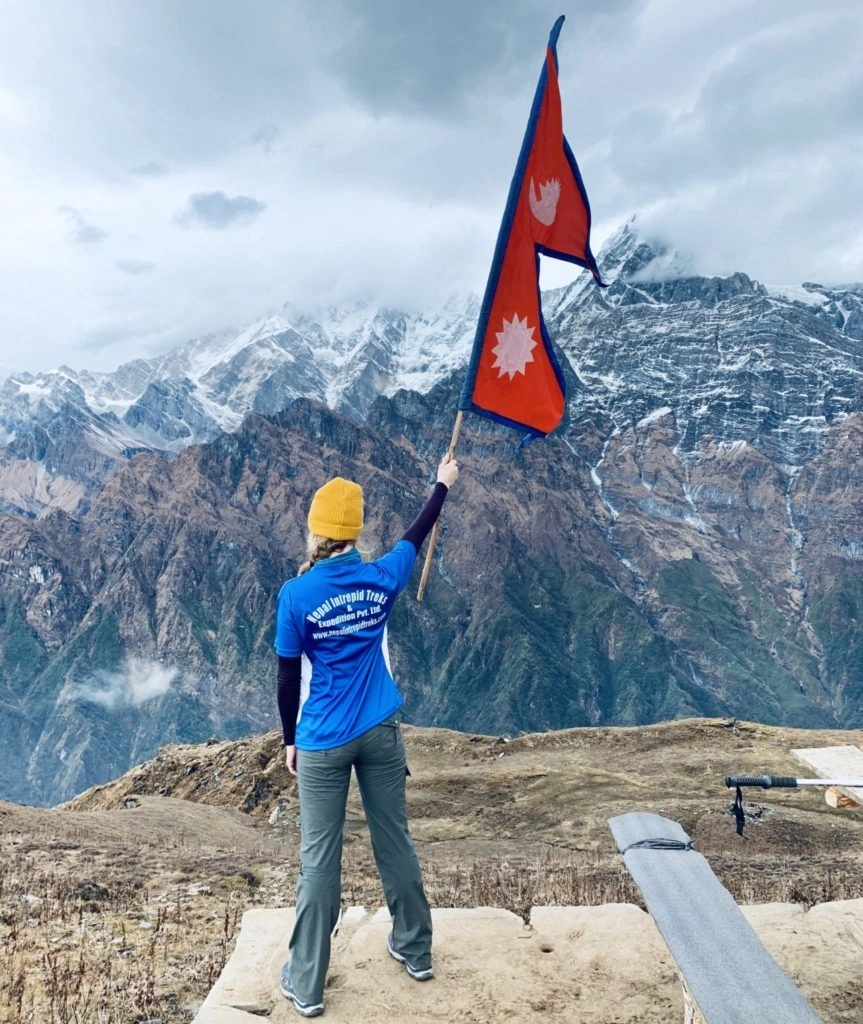
Licensed local trekking agencies in Nepal provide 5 verified safety advantages: wilderness first-aid trained guides, established evacuation protocols with Kathmandu-based coordination, permit acquisition expertise, equipment rental and quality control, and local knowledge of trail conditions unavailable from international booking platforms.
TAAN-registered agencies, the Trekking Agencies Association of Nepal certifies approximately 1,400 active members, operate under Nepal Tourism Board oversight, which mandates guide training standards, insurance coverage for staff, and minimum wage regulations.
What local agencies provide that international platforms cannot:
Real-time trail condition reports from guide networks active on the same route that week
Direct checkpoint relationships for permit processing and emergency coordination
Porter welfare compliance, licensed agencies provide porters with proper equipment, insurance, and legally mandated wages of NPR 800–1,200/day minimum
Flexible itinerary adjustment based on weather, group fitness, or health concerns, decisions made on-trail by a qualified guide rather than through a customer service desk
Verification checklist before booking a local agency:
Request the agency's Tourism Department registration number (verifiable at tourism.gov.np)
Confirm the assigned guide holds a government-issued guide license (Level 1 or Level 2)
Verify the guide holds a current Wilderness First Aid (WFA) or Wilderness First Responder (WFR) certification
Confirm the agency carries third-party liability insurance
Read reviews specifically from trekkers who completed the same route within the last 12 months
What Are the Key Takeaways About Guide to Trekking in Nepal?
Trekking in Nepal is accessible, structured, and rewarding when approached with accurate preparation. The 8 core takeaways from this guide give every trekker, beginner or experienced, the foundation to trek safely, legally, and meaningfully.
The 8 essential points to carry forward:
Trek in October–November or March–May for optimal weather, visibility, and trail conditions, monsoon season from June–September makes most high-altitude routes genuinely dangerous.
Choose your route by altitude tolerance and timeline, Poon Hill for 4–5 days at a beginner level, Langtang Valley for 7–10 days at intermediate, EBC or Annapurna Circuit for 14–21 days at experienced level.
Obtain 2 permits minimum before starting any trek, TIMS Card (NPR 2,000) and the relevant national park permit (NPR 1,000–3,000). Restricted area treks in Mustang and Manaslu require additional permits obtainable only in Kathmandu.
Ascend no more than 500 meters per sleeping altitude per day above 3,000 meters, this single rule prevents the majority of altitude-related emergencies and helicopter evacuations.
Purchase travel insurance with helicopter evacuation coverage of at least USD 10,000 before arriving in Nepal, every other safety precaution is secondary to this financial and medical protection.
Pack an 8–12kg pack built around a layered clothing system, a -10°C sleeping bag, trekking poles, and a water purification system, heavy packs accelerate fatigue and injury on sustained ascents.
Book a TAAN-licensed guide and agency, licensed guides carry government-issued credentials, wilderness first-aid training, and local network access that determine evacuation speed and quality in emergencies.
Respect the cultural landscape, walking clockwise around mani walls, removing shoes at monasteries, tipping guides and porters at the recommended rate, and asking permission before photographing people transforms a physical journey into a genuine human and cultural exchange.
Nepal's trekking infrastructure exists because generations of Sherpa, Tamang, and Gurung communities built it, maintain it, and welcome trekkers into it every season. Arriving prepared means arriving respectfully, and that is the foundation of every great Nepal trek.