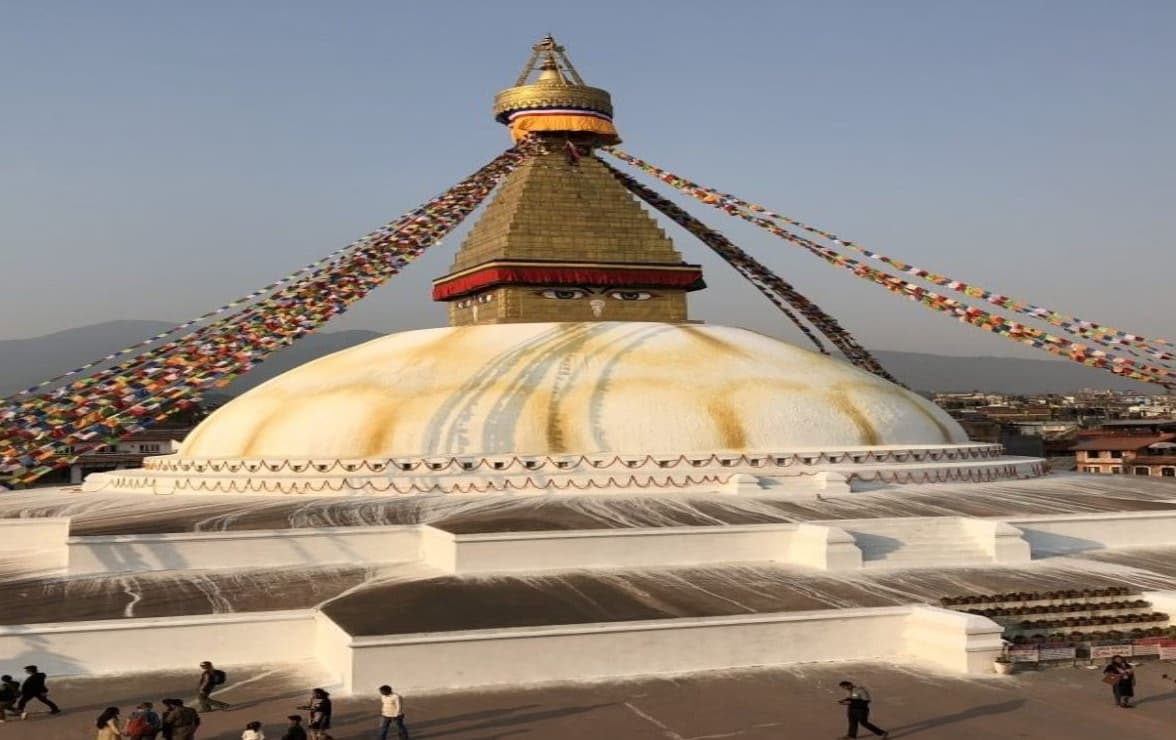
New Year and Christmas in Nepal offer a unique combination of Himalayan adventure, cultural discovery, and winter travel experiences that few destinations can match. December and early January are among the best times to visit Nepal, with clear mountain views, stable weather, quieter trekking trails, and comfortable conditions for exploring iconic destinations such as Kathmandu, Pokhara, the Everest and Annapurna regions, Langtang Valley, Chitwan National Park, and Bardia National Park. Whether you want to celebrate Christmas in the Himalayas, welcome the New Year from a mountain viewpoint, experience UNESCO World Heritage Sites, enjoy a wildlife safari, or relax on a luxury lodge trek, Nepal provides memorable holiday experiences for every type of traveler.

This comprehensive guide explains everything you need to plan a Christmas and New Year holiday in Nepal, including the best places to celebrate, winter weather, recommended trekking routes, cultural festivals, travel costs, permits, accommodation options, packing essentials, altitude safety, and practical travel advice. It also explores how to combine trekking with cultural tours, jungle safaris, adventure activities, and customized holiday itineraries, helping you choose the ideal festive experience while making the most of Nepal's spectacular landscapes, diverse cultures, and world-renowned hospitality.
Why Should You Spend Christmas and New Year in Nepal?
Nepal earns its place as a festive destination not by trying to imitate Western Christmas traditions, but by offering something entirely its own. The draw is not tinsel and shopping malls, it is mountains, monasteries, ancient cities, and an experience that fundamentally recalibrates what the holidays can feel like.
The country is compact enough that you can move between dramatically different environments within a single trip. Snow-capped peaks in the morning, medieval temple squares by afternoon, jungle wildlife the next day. Very few places on earth offer that range within a two-week window.
What Makes Nepal a Unique Holiday Destination?
Most holiday destinations offer either luxury or adventure. Nepal offers both, wrapped in a cultural tapestry that the majority of Western travelers have never encountered and will not fully expect.
The mountains are not just the attraction, they are the backdrop to everything. On a clear December morning in Pokhara, the Annapurna range fills the entire northern horizon like a living painting. No ticket, no queue, no time limit. You can watch that view with a cup of Nepali tea from your guesthouse window. That experience is free and available to anyone who simply shows up.
Cultural immersion here happens naturally, not on a tour bus schedule. Nepal is home to 142 officially recorded caste and ethnic groups, dozens of living traditions, and a religious calendar that brings something new to the streets nearly every week. December and January bring Hindu and Buddhist observances that most international visitors have never witnessed, and locals are generally welcoming to respectful observers.
The value for money remains genuinely exceptional. A Christmas or New Year holiday in Nepal costs a fraction of what a comparable experiential trip would cost in Europe, New Zealand, or Patagonia. Budget travelers, mid-range travelers, and luxury travelers all find their level here without feeling priced out.
Crowds are manageable, particularly at altitude. Unlike the spring trekking season (March to May), which draws the bulk of Nepal's trekking visitors, December sees significantly reduced foot traffic on most trails above 3,000 metres. Teahouses are relaxed, trail encounters feel personal, and mountain views feel earned rather than queued for.
What most travelers overlook: Nepal's lowland and mid-hill regions are warm and sunny in December. The Terai jungle lodges, Pokhara's lakeside restaurants, and Kathmandu's temple squares are all comfortably explored in light layers during the day. The cold is largely a high-altitude phenomenon, not a whole-country experience.
Who Should Consider Visiting Nepal During the Festive Season?
Being honest about who Nepal suits during winter saves real disappointment.
Nepal during Christmas and New Year is ideal for:
Trekkers who prefer quieter trails, cleaner air, and superior mountain visibility
Travelers seeking a meaningful, experience-led alternative to conventional package holidays
Photography enthusiasts who understand that winter light in Nepal is among the finest in the world
Cultural travelers drawn to living Hindu and Buddhist traditions
Couples and small groups seeking a shared adventure with genuine depth
Wildlife enthusiasts combining a jungle safari in Chitwan or Bardia with mountain trekking
Experienced mountaineers targeting trekking peaks and winter expedition windows
It may not suit:
Travelers who need guaranteed warmth and beach weather throughout their holiday
First-time trekkers who are not open to preparing for cold nights at altitude (though this is entirely manageable with proper gear and guidance)
Those who specifically want large-scale Christmas markets, European festive atmosphere, or New Year events on the scale of Sydney or London
When Is the Best Time to Visit Nepal for Christmas and New Year?

December and early January are among the best times to visit Nepal, offering clear skies, stable weather, and exceptional mountain views. The festive season combines ideal trekking conditions with vibrant celebrations in Kathmandu and Pokhara. Visitors also enjoy fewer crowds on many trekking routes compared to spring, making the experience more peaceful. Whether you plan to trek, explore cultural heritage, or enjoy wildlife safaris, Christmas and New Year provide an excellent opportunity to experience Nepal at its best.
What Is the Weather Like Across Nepal in December and January?
Nepal's geography spans more than 8,000 vertical metres, from the subtropical Terai lowlands to the highest peaks on earth. This means weather varies dramatically by region, and understanding that variation is the key to planning a trip that works for you.
Kathmandu Valley (1,400m / 4,600ft)
December temperatures range from 2°C to 18°C (36°F to 64°F). January dips slightly colder, averaging between 1°C and 15°C. Days are typically sunny with cool, crisp air. Light morning fog can linger until 9–10am in the valley, but clears reliably. Light layers work during the day; evenings require a warm jacket. Snowfall in Kathmandu is extremely rare.
Pokhara (900m / 2,950ft)
Slightly warmer than Kathmandu, with temperatures between 7°C and 22°C through December. The Annapurna range dominates the northern skyline with exceptional clarity, particularly in the early morning before any haze develops. Pokhara rarely dips below freezing at lake level and is among the most comfortable urban bases for a December or January holiday.
High-Altitude Trekking Zones (above 3,500m)
Daytime temperatures sit between -5°C and 5°C. Nights can fall to -15°C to -20°C at or above base camp elevations. Some high passes, Thorong La on the Annapurna Circuit, Cho La and Kongma La on the Everest circuit, can accumulate significant snow in deep winter and should not be attempted without local weather intelligence. Teahouses at higher altitudes operate with reduced services, particularly above 4,000m in January.
Terai Lowlands (Chitwan, Bardia)
Daytime temperatures between 15°C and 25°C, warm, comfortable, and sunny. The cool season is in fact peak season for wildlife viewing in Chitwan National Park and Bardia. Vegetation thins out, animals congregate near water sources, and sightings of Bengal tigers, one-horned rhinoceroses, and gharial crocodiles are at their most reliable.
The insight most travel guides miss: The temperature gap between day and night in Nepal's trekking zones can exceed 20°C within the same location. Budget trekkers who underestimate this consistently find themselves uncomfortable, or worse, above 4,000m. A quality -15°C rated sleeping bag and layered insulation are not optional equipment in winter. Treat them as essential infrastructure.
Which Regions Offer the Best Conditions During the Holidays?
Region | December–January Suitability | Best Suited For |
Kathmandu Valley | Excellent | Cultural tours, heritage sites, city exploration |
Pokhara | Excellent | Mountain views, lakeside relaxation, day hikes |
Annapurna (lower trails) | Very Good | Trekking to approximately 4,000m with manageable cold |
Everest Region (lower) | Good | EBC trek with proper cold-weather gear above 4,000m |
Langtang Valley | Good | Quieter, culturally rich alternative close to Kathmandu |
Chitwan / Bardia | Excellent | Wildlife safaris in peak jungle season |
Upper Mustang | Fair to Good | Remote, arid, accessible but cold and logistically complex |
Where Can You Celebrate Christmas and New Year in Nepal?
Nepal offers a variety of destinations to celebrate Christmas and New Year, from lively cities to peaceful mountain villages. Kathmandu and Pokhara host festive events, while Himalayan trekking routes provide unforgettable holiday experiences. Travelers can choose between vibrant celebrations, scenic mountain escapes, or quiet cultural retreats. Each destination offers a unique way to enjoy the festive season surrounded by Nepal's natural beauty and rich heritage.
What Are the Best Cities for Festive Celebrations?
Kathmandu is the undisputed hub of Nepal's festive holiday season. The Thamel district, the city's historic traveler quarter, transforms noticeably during Christmas and New Year. Hotels decorate lobbies with trees and lights. Restaurants run special Christmas dinner menus. Rooftop bars and live music venues organize countdown events that mix international travelers with Nepal's growing urban young population. New Year's Eve in Thamel is energetic, safe by reputation, and genuinely unlike any other city on earth.
Beyond the party scene, Kathmandu gives you the Boudhanath Stupa (one of the largest stupas in the world, built in the 5th century), the living Hindu cremation ghats of Pashupatinath, the remarkably preserved medieval streetscape of Bhaktapur Durbar Square, and the hilltop Swayambhunath complex, all of which carry a different, more contemplative quality in the cool December air and thin winter light.
Pokhara offers a more relaxed festive atmosphere. The Lakeside neighborhood remains café-active through winter, with independent coffee shops, bakeries, and restaurants maintaining relaxed ambience. The backdrop of Machhapuchhre, the sacred "Fishtail Mountain" at 6,993m, catches morning alpenglow just north of the city. Several boutique resorts and lakeside hotels host New Year's Eve dinners with unobstructed Annapurna views.
Nagarkot and Dhulikhel, just outside the Kathmandu Valley rim, are ideal for travelers who want New Year's Eve in a quieter setting with panoramic mountain views above the cloud line. Watching the first sunrise of the year illuminate the Himalayan range from Nagarkot at dawn on January 1st is one of Nepal's most consistently powerful experiences, simple, memorable, and free of commercialism.
Which Mountain Destinations Create the Best Holiday Experience?
For travelers who specifically want to celebrate Christmas or New Year in the mountains, several teahouse settlements have developed their own festive traditions:
Namche Bazaar (3,440m) on the EBC trail is a genuinely surprising Sherpa village with well-equipped bakeries, internet cafés, climbing equipment shops, and a vibrant community that has warmly embraced international trekkers who make it a habit to spend Christmas here each year. A small but growing number of trekking groups specifically time their Everest itinerary to reach Namche for December 25th.
Ghorepani (2,860m) on the Poon Hill route has become a de facto New Year's tradition for a certain type of trekker. The route is timed so that January 1st falls on the pre-dawn hike from Ghorepani to Poon Hill's summit viewpoint at 3,210m, where the full Annapurna and Dhaulagiri ranges greet the first sunrise of the year. This is genuinely extraordinary and requires no special skill or extreme fitness.
Langtang Village (3,430m) offers the most authentic mountain festive experience. The Tamang Buddhist culture of the Langtang Valley gives the holiday a quality unlike anywhere else, and the fact that it sees far fewer trekkers than Annapurna or Everest routes means the experience is intimate rather than crowded.
What Are the Best Treks for a Christmas and New Year Holiday in Nepal?
Nepal offers a wide variety of trekking routes that are ideal during the festive season. Travelers can choose from short hikes, classic Himalayan adventures, or luxury lodge treks. Winter provides clear mountain views and fewer crowds on most trails. The following treks are among the best options for Christmas and New Year holidays.
Which Short Treks Are Ideal During the Holiday Season?
Short treks are an excellent choice for travelers with limited holiday time who still want to experience Nepal's stunning Himalayan landscapes. These routes offer breathtaking mountain views, comfortable teahouse accommodations, and manageable trekking distances. Winter's clear skies make the scenery even more spectacular during Christmas and New Year. The following short treks are among the best options for a memorable festive adventure.
Ghorepani Poon Hill Trek (4–5 days)
The Ghorepani Poon Hill Trek is the most popular short trek in Nepal for reasons that hold up completely in practice. You ascend through dense rhododendron forests to reach Poon Hill at 3,210m, where a 360-degree panorama of the Dhaulagiri Massif, the Annapurna range, and Machhapuchhre opens at sunrise. The trail is accessible to first-time trekkers, teahouses along the route stay reliably open through winter, and the physical demands are manageable within a short trip window. Timing your Poon Hill sunrise for January 1st has become a beloved tradition among Nepal holiday trekkers.
Langtang Valley Trek (7–10 days)
Consistently overlooked in favor of more famous routes, the Langtang Valley trek offers a December experience that arguably outperforms both EBC and Annapurna for value and authenticity. The valley is accessible from Kathmandu within half a day of driving. It winds through oak and rhododendron forest, past yak pastures and glacial moraines, into the dramatic high terrain around Langtang Village (3,430m) and Kyanjin Gompa (3,870m), where you can hike to Kyanjin Ri (4,773m) for views that rival anything in Nepal. The area has been sensitively rebuilt since the 2015 earthquake and supports local Tamang communities directly.
Nagarkot to Dhulikhel (1–2 days)
For travelers integrating mountain experience into a Kathmandu cultural itinerary without committing to a full trek, the Nagarkot-to-Dhulikhel walking trail delivers some of the finest ridge-top Himalayan panoramas in Nepal from a comfortable, accessible elevation. This is an excellent choice for groups with mixed fitness levels or limited available days.
Which Classic Himalayan Treks Offer the Best Festive Experience?
Nepal's classic Himalayan treks provide unforgettable experiences during the Christmas and New Year season. Clear winter skies, spectacular mountain scenery, and fewer crowds make these iconic routes especially rewarding. Each trek offers a unique blend of adventure, culture, and breathtaking landscapes. The following classic treks are the best choices for travelers seeking a memorable festive journey in the Himalayas.
Everest Base Camp Trek (12–16 days)
Few experiences compare to the classic Everest Base Camp trek, which climbs through the Khumbu Valley to the foot of the world's highest mountain. December and January on the EBC trail offer genuinely reduced crowds above Namche Bazaar, exceptional visibility over the high peaks, and an intensely quiet atmosphere that the trail rarely offers during peak season. The trade-off is honest: temperatures above 4,000m drop sharply, and nights at Gorak Shep (5,170m) can push below -20°C.
What experienced trekkers consistently report: the views from Kala Patthar (5,545m) in December are among the clearest of any season. The atmosphere is stable, the sky turns vivid blue at altitude, and Everest stands unobscured in a way the pre-monsoon season doesn't always guarantee. If you're physically prepared for the cold and have appropriate gear, this is arguably the finest season for this trek.
Annapurna Circuit Trek (15–20 days)
The full circuit is one of the world's great long-distance treks, circumnavigating the Annapurna Massif and crossing Thorong La Pass at 5,416m. December is generally viable for this trek, though January can see significant snowfall at the high pass, making careful timing, local weather intelligence, and guide expertise essential rather than optional. The lower circuit sections, the Kali Gandaki Gorge (the world's deepest), the apple orchard village of Marpha, and the subtropical forests below Tatopani, are exceptional in winter regardless of pass conditions.
Annapurna Base Camp Trek (10–12 days)
The Annapurna Base Camp trek reaches a glacially enclosed amphitheater at 4,130m surrounded on all sides by peaks above 7,000m, Annapurna I, Machhapuchhre, Hiunchuli, and Gangapurna. December and early January conditions at this elevation are stable and the views are commanding. A growing number of trekking groups deliberately spend Christmas or New Year morning at Annapurna Base Camp. Waking inside a cirque of the world's highest mountains, in near silence, with the peaks catching the first light of a new day or a new year, is an experience that lives long after the trip is over.
Which Luxury or Comfortable Treks Are Available?
Nepal's lodge trekking scene has matured considerably in recent years, now offering travelers the ability to experience the Himalayas without teahouse dormitories or shared cold-water bathrooms.
Annapurna Luxury Lodge Trek: Routes through the Annapurna foothills include boutique mountain lodges such as Tiger Mountain Pokhara Lodge and other premium properties within the Annapurna Conservation Area. These treks offer en-suite rooms, set menus featuring locally sourced produce, and guide-to-trekker ratios that genuinely feel personalized rather than managed.
Everest Comfort Teahouse Trek: While fully catered lodge trekking on the EBC route is less established than in Annapurna, upgraded teahouses in Namche Bazaar and Khumjung now offer private rooms with attached bathrooms, hot showers, and improved dining. Nepal Intrepid Treks can arrange enhanced accommodation along the Everest trail on request for clients who want teahouse experience with a higher comfort baseline.
Helicopter access and combination tours: For travelers short on time but unwilling to compromise on the experience, helicopter access to high camps, bypassing Lukla for EBC, or accessing Annapurna Base Camp directly, allows premium travelers to experience dramatic Himalayan terrain in two to three days. These options work best combined with a cultural Kathmandu itinerary and are available through licensed operators.
What Other Adventures Can You Combine With Your Holiday?
A Christmas and New Year holiday in Nepal can include much more than trekking alone. Travelers can combine mountain adventures with wildlife safaris, cultural sightseeing, or thrilling outdoor activities for a more diverse experience. These combinations allow you to explore Nepal's rich natural beauty and cultural heritage in a single trip. The following adventures are perfect for creating a well-rounded and unforgettable festive holiday.
Can You Combine Trekking With Wildlife Safaris?
Absolutely, and this combination is one of Nepal's best-kept holiday planning advantages.
Chitwan National Park in the Terai lowlands sits just 5–6 hours from Kathmandu by road, or 25 minutes by domestic flight. It integrates seamlessly into a Nepal holiday itinerary. December and January represent Chitwan's peak wildlife season: vegetation thins, animals concentrate near water, and jeep and elephant-back safaris consistently yield sightings of Bengal tigers, one-horned rhinoceroses, gharial crocodiles, and among the more than 550 bird species and over 700 total wildlife species documented in IUCN's 2025 Chitwan conservation assessment, including several globally threatened species.
A practical 11-day itinerary example:
Days 1–2: Kathmandu cultural immersion
Days 3–9: Annapurna Base Camp or Langtang Valley Trek
Days 10–11: Chitwan National Park wildlife safari
Day 12: Return to Kathmandu, departure
This structure delivers cultural immersion, high-altitude mountain experience, and tropical wildlife sightings within a single coherent journey, a combination captured well by a combined Kathmandu, Chitwan, and Pokhara tour, and one that very few destinations on earth can offer.
Bardia National Park in Nepal's far west is the more remote alternative. Bardia National Park in Nepal's far west is the more remote alternative. Bardia hosts a tiger population that grew from 49 individuals in 2013 to 122 by 2022, according to a peer-reviewed, USGS-supported study, though Nepal's most recent national tiger survey shows Chitwan has since pulled ahead (145 tigers to Bardia's 112) with virtually no tourist crowds at either western park compared to the well-trodden trails further east. It is an exceptional option for experienced wildlife travelers who value authentic wilderness and high chances of uninterrupted sightings over infrastructure convenience. It is an exceptional option for experienced wildlife travelers who value authentic wilderness over infrastructure convenience.
Which Cultural Tours Complement a Holiday in Nepal?
Nepal's cultural heritage is UNESCO-recognized, multilayered, and genuinely extraordinary.
The Kathmandu Valley alone contains seven UNESCO World Heritage Sites within a 30-kilometre radius: three Durbar Squares (Kathmandu, Patan, Bhaktapur), the Boudhanath Stupa, Pashupatinath Temple, Changu Narayan, and Swayambhunath. A dedicated two to three day cultural itinerary before or after trekking provides meaningful context for the mountains, and Bhaktapur's medieval alleyways are especially atmospheric in December with thinner tourist presence.
Village homestays in the Annapurna foothills during the trek itself provide cultural insight that no hotel can replicate. Staying with a Gurung or Magar family, sharing a meal prepared on a traditional hearth, and observing the rhythm of village life at altitude gives the trekking experience a dimension that pure wilderness adventuring misses.
Tibetan Buddhist monastery visits carry a particular contemplative quality in winter. Kopan Monastery above Kathmandu, the ancient gompas of the Sherpa valleys, and the cliff-side temples of Upper Mustang are all profoundly different, and more spacious, outside the high season.
Are Peak Climbing or Adventure Activities Available?
Island Peak (6,189m) and Mera Peak (6,476m) are classified as Nepal trekking peaks accessible to climbers with high-altitude experience but no technical mountaineering background. Both peaks have expedition windows through December, though summit success rates depend on weather and conditions should be assessed through a licensed outfitter. These climbs are best organized through an experienced operator like Nepal Intrepid Treks, which manages permits, equipment, and acclimatization itineraries.
Paragliding in Pokhara operates year-round from the Mandandanda launch site. Winter paragliding offers unobstructed Annapurna views in thermal conditions that are often smoother than during the monsoon. Tandem flights are available for beginners; experienced pilots can arrange longer cross-country routes.
White water rafting on the Trishuli, Seti, and Bhote Koshi rivers remains operational through December, offering half-day to multi-day raft trips at varying grades of difficulty, accessible as day trips from Kathmandu or Pokhara.
Rock climbing at Hattiban and Nagarjun Forest outside Kathmandu offers beginner to intermediate routes available throughout the year, typically combined with a half-day cultural itinerary.
What Festivals and Cultural Experiences Can You Enjoy?

Nepal's festive season offers a unique blend of local traditions, religious celebrations, and cultural experiences. Visitors can enjoy Christmas and New Year alongside authentic Hindu and Buddhist festivals that reflect the country's rich heritage. From vibrant city celebrations to traditional community events, every experience provides a deeper connection to Nepali culture. The following festivals and cultural highlights make a holiday in Nepal truly memorable.
How Is Christmas Celebrated in Nepal?
Nepal is a predominantly Hindu and Buddhist country, but Christmas has developed its own identity here, particularly within the tourism sector and Nepal's small but established Christian community.
In Kathmandu's Thamel district, Christmas is celebrated with genuine warmth, particularly within the tourism sector and Nepal's small but established Christian community, which the 2021 national census recorded at 1.8% of the population. Hotels and restaurants decorate with fairy lights and trees. Menus feature special Christmas dinners, often a blend of Nepali cuisine with Western festive dishes. Live music venues organize themed evenings. Churches across Kathmandu, including the Church of the Assumption in Lalitpur and several congregations in the valley, hold Christmas Eve and Christmas Day services that are open to visitors.
Pokhara's Lakeside area similarly observes Christmas, with restaurants offering festive menus and café gatherings that feel relaxed and inclusive. Several mountain lodges that host trekking groups create simple but meaningful Christmas celebrations for groups on the trail, a special meal, a gathering around a fire, a quiet acknowledgment of the day in one of the world's most extraordinary settings.
What is genuinely special about celebrating Christmas in Nepal is the absence of commercial pressure. There is no frantic retail season, no obligation, no noise. Instead, you get the warmth of genuine hospitality in an unfamiliar context, which many travelers describe as far more meaningful than Christmas at home.
How Do Nepalis Celebrate the New Year?
Nepal actually operates across multiple calendar systems simultaneously. The Bikram Sambat calendar, Nepal's official Hindu calendar, begins in mid-April. Tibetan Losar (New Year) falls in February or March depending on the lunar cycle. The Newar community celebrates its own New Year in late October or November.
But December 31st and January 1st, the Gregorian New Year, have become widely celebrated, particularly among Kathmandu and Pokhara's young urban population, and emphatically within the tourism sector.
New Year's Eve in Kathmandu: Thamel becomes one of Asia's most distinctive New Year's Eve environments. Bars, clubs, and rooftop venues run countdown events through the night. Restaurants fill with mixed groups of international travelers and Nepali families. The streets are active but the atmosphere is good-natured and, by the standards of comparable events globally, notably safe. That said, good venues fill quickly, booking ahead is essential for quality experiences.
New Year's morning: Many experienced Nepal travelers make a deliberate choice to be somewhere elevated and quiet for the first morning of the year. Watching the sunrise illuminate the Annapurna or Everest ranges from Sarangkot above Pokhara, or from Nagarkot above Kathmandu, on January 1st is a genuinely powerful start to a new year, and one that requires only an early alarm and a clear sky to deliver.
Which Local Festivals or Traditions Might You Experience?
Visiting Nepal during the festive season offers the chance to witness traditional festivals that showcase the country's rich cultural and religious heritage. These celebrations provide unique insights into local customs, rituals, and community life beyond the typical tourist experience. Many festivals take place in temples, villages, and public spaces, creating memorable cultural encounters for visitors. The following festivals and traditions are among the most meaningful experiences you can enjoy during your holiday.
Maghe Sankranti (January 14–15)
One of Nepal's most significant Hindu festivals, marking the sun's transit into Capricorn and the beginning of longer days. Celebrated with family gatherings, ritual bathing in rivers, and the traditional consumption of sesame seeds, molasses, ghee, and yams, each with specific cultural significance. If you are in Nepal on this date, visiting a river ghat, Siddha Pokhari in Bhaktapur, or the ghats at Devghat near Chitwan where the Narayani and Trishuli rivers meet, offers a window into everyday Nepali religious life that most visitors never witness.
Sonam Losar (Tamang New Year)
Falls in January or February depending on the lunar calendar and is celebrated specifically by the Tamang community, the dominant ethnic group in the Langtang Valley. If your trek timing coincides, you may experience local celebrations, traditional music, and community gatherings that carry cultural weight entirely beyond the tourist experience.
Swasthani Brata Katha
A month-long Hindu religious observance beginning in mid-January, during which women fast and gather to recite the scriptures of Goddess Swasthani. You will see small groups of women on pilgrimage near rivers and temples throughout the Kathmandu Valley, quiet, photogenic, and almost entirely unknown to international travelers. It is the kind of living tradition that reveals itself only to visitors who stay long enough to look beyond the obvious.
How Should You Plan Your Christmas and New Year Trip?
Planning ahead helps ensure a smooth and enjoyable holiday in Nepal. Booking early, preparing the required permits, and packing suitable gear are essential for winter travel. Proper planning also improves safety and overall comfort during your journey. The following sections explain everything you need to prepare before your trip.
How Early Should You Book Flights and Treks?
The festive period creates specific booking dynamics in Nepal that are easy to underestimate.
Flights: International flights to Kathmandu's Tribhuvan International Airport see notable demand increases from mid-December through the first week of January. Routes via Doha (Qatar Airways), Dubai (Emirates or flydubai), Delhi (Air India, IndiGo), and Kuala Lumpur (Malaysia Airlines, AirAsia) are the most commonly used connections from Europe, North America, and Australia respectively. Book at least three to four months in advance for the best fares and seat availability during this window.
Trek bookings and teahouse reservations: Organized trekking groups frequently pre-book teahouse accommodation on popular routes months in advance. If you are traveling through a registered company, they handle this, but confirm their teahouse booking status specifically for December 25th to January 2nd. These dates see the highest demand on lower-altitude routes such as Ghorepani and the lower Annapurna sanctuary.
Hotels in Kathmandu and Pokhara: New Year's Eve accommodation at quality hotels with rooftop venues or mountain views books up months in advance. Budget guesthouses retain availability longer, but if your priority is a specific view or venue for December 31st, secure it by October at the latest.
What Permits and Travel Documents Are Required?
Nepal requires a tourist visa for most international visitors, obtainable on arrival at Tribhuvan International Airport or in advance through a Nepali embassy or consulate.
Visa fees (USD):
15-day tourist visa: $30
30-day tourist visa: $50
90-day tourist visa: $125
Trekking permits required:
TIMS Card (Trekkers Information Management System): Required for most trekking areas. Following updated government regulations, independent trekking is no longer permitted in Nepal. All foreign trekkers must be accompanied by a licensed guide hired through a registered agency. The TIMS card costs a flat NPR 2,000 for non-SAARC nationals.
Annapurna Conservation Area Permit (ACAP): Required for all Annapurna region treks, including Ghorepani Poon Hill, Annapurna Base Camp, and the full Circuit. Cost: NPR 3,000.
Everest Region Permits: Required for the Everest Base Camp trek. You will need a Sagarmatha National Park Permit (NPR 3,000). Additionally, the Everest region does not use the standard TIMS card; instead, trekkers must purchase the Khumbu Pasang Lhamu Rural Municipality Entry Permit upon arrival in Lukla or Monjo.
Langtang National Park Permit: Required for the Langtang Valley Trek. Cost: NPR 3,000.
Restricted Area Permits: Upper Mustang, Dolpo, and certain other areas require special restricted area permits that must be processed through a government-registered trekking agency. These carry substantially higher costs and longer lead times.
Practical note: Working through a registered company like Nepal Intrepid Treks consolidates all permit procurement. Every required permit is secured as part of the package, leaving nothing for you to chase down in Kathmandu's permit offices on arrival.
What Should You Pack for Winter Trekking in Nepal?
Nepal in December and January requires a deliberate layering strategy that accounts for wide temperature swings, sometimes 20°C or more, across a single day and across elevations.
The layering system (non-negotiable at altitude):
Moisture-wicking thermal base layers, top and bottom
Mid-layer fleece or a lightweight down jacket for active hiking in cold
Waterproof and windproof hardshell outer jacket
Heavy insulated down jacket for evenings, rest stops, and high altitude
Footwear:
Waterproof, ankle-supporting trekking boots, already broken in before you travel
Wool hiking socks, minimum three to four pairs
Camp sandals or light shoes for teahouse evenings
Cold-weather accessories critical in winter:
Warm hat covering ears, or a balaclava for elevations above 4,000m
Fleece-lined inner gloves plus waterproof outer shell gloves
Neck gaiter or buff
UV-protective sunglasses rated for high-altitude snow reflection
Sunscreen at SPF 50 minimum, UV intensity increases significantly with elevation even on cloudy days
Trekking poles, snow and ice patches on winter trails make these genuinely essential
Sleeping:
Down sleeping bag rated to -15°C minimum for treks above 4,000m
Lightweight sleeping bag liner adds 5–10°C of warmth for minimal additional weight
What most people overpack: Casual or stylish clothing for teahouse evenings. A single comfortable set of warm layers is entirely sufficient. Teahouses are functional environments, your hiking clothes, washed and dried overnight, work perfectly.
What Should You Know Before Trekking During the Holiday Season?
Winter trekking in Nepal requires careful planning and preparation to ensure a safe and enjoyable journey. Travelers should be aware of weather conditions, altitude challenges, and the importance of proper equipment during December and January. With the right preparation, the festive season offers excellent trekking conditions and spectacular mountain views. The following tips will help you stay safe, comfortable, and well-prepared throughout your adventure.
How Busy Are Popular Trekking Routes?
December and January are significantly quieter than spring on the majority of Nepal's high-altitude trekking routes. The EBC trail above Namche Bazaar, the Annapurna Circuit above Manang, and the Langtang Valley above Lama Hotel see dramatically reduced foot traffic compared to March through May.
However, the lower sections of the most popular routes, particularly Ghorepani Poon Hill and the lower Annapurna Sanctuary approach, attract organized holiday groups in the final week of December. If complete solitude on these specific routes is your priority, shifting your itinerary by one week in either direction from December 24th to January 2nd yields noticeably quieter conditions.
For experienced trekkers specifically seeking off-the-beaten-path conditions, the Kanchenjunga Circuit in eastern Nepal, the routes in the Manaslu Conservation Area, and the Dolpo region's lower valleys see very few holiday trekkers and deliver an authentically remote experience throughout winter.
What Are the Altitude and Weather Considerations?
For a full breakdown of symptoms, prevention, and response, see our detailed guide to altitude sickness in the Himalaya. AMS does not discriminate by fitness level, age, experience, or physical condition. Anyone ascending above 3,000m too quickly is at risk; peer-reviewed research hosted by the U.S. National Institutes of Health puts AMS prevalence at roughly 30% among Everest-region trekkers and 34–57% in the Annapurna region, and AMS can progress to High Altitude Pulmonary Edema (HAPE) or High Altitude Cerebral Edema (HACE) in serious cases, both of which are life-threatening if not managed correctly and immediately.
Acclimatization principles every trekker must follow:
Ascend no more than 300–500m per day above 3,000m
Include at least one full rest day for every 1,000m gained above 3,000m
"Climb high, sleep low" wherever the itinerary structure permits
Descend immediately if symptoms worsen: persistent headache unresponsive to medication, vomiting, loss of coordination, breathlessness at rest, or altered mental state
Carry Diamox (acetazolamide) after pre-travel medical consultation, it aids acclimatization but does not substitute for proper ascent pacing
Winter-specific consideration: Jet stream weather patterns occasionally push severe cold and high winds across the high Himalayan passes in January. A qualified local guide with real-time mountain weather access through Nepal-based meteorological resources is invaluable during this window. Never attempt a high pass, Thorong La, Cho La, Renjo La, if local conditions are uncertain or if your guide advises delay.
How Can You Stay Safe and Comfortable?
Travel with a registered, experienced guide. This is not a formality, it is the single most impactful safety decision you can make for winter trekking in Nepal. A qualified guide navigates in deteriorating conditions, reads altitude symptoms in your group before you feel them yourself, manages permits and teahouse logistics, and is your emergency point of contact if evacuation is needed.
Purchase comprehensive travel insurance before departure. Ensure your policy explicitly covers high-altitude trekking and, critically, helicopter evacuation, often the only rapid medical transport option above 4,000m in Nepal. Helicopter evacuations from altitude can cost USD 3,000–8,000+ without insurance.
Hydrate deliberately. Altitude and cold air both increase dehydration risk simultaneously. Aim for three to four litres of water per day on the trail. Above lower-altitude teahouses, boil or treat all water rather than relying on filtration systems that may not be available or functional.
Manage battery life. Portable power banks (20,000mAh or above) are genuinely useful above 4,000m in winter, where teahouse charging is inconsistent and solar charging depends on daylight hours. Cold temperatures also reduce battery capacity by 20–40%, so keep devices close to your body.
How Much Does a Christmas and New Year Holiday in Nepal Cost?
The cost of a Christmas and New Year holiday in Nepal varies depending on your travel style, itinerary, and preferred activities. Whether you are traveling on a budget or seeking a luxury experience, Nepal offers excellent value for money. Expenses typically include accommodation, transportation, permits, trekking services, and optional activities such as wildlife safaris or helicopter tours. The following sections outline the main cost factors and estimated budgets for different types of travelers.
What Factors Affect the Overall Trip Cost?
Nepal's holiday costs depend on several intersecting variables:
Duration: A 7-day trip differs enormously from a 21-day expedition in total cost, though daily costs often decrease with longer trips as proportion of fixed costs falls
Accommodation type: Budget teahouses versus lodge treks versus urban luxury hotels
Trek selection: Permit costs, guide and porter fees, teahouse rates, and route logistics
International airfare: Often the single largest cost component and highly variable by origin and booking window
Activities: Wildlife safaris, peak climbing, helicopter day trips, and guided cultural tours all add meaningfully to the budget
Booking timing: Three to four months of advance booking consistently yields 20–35% better rates on flights and accommodation
The festive season adds a modest surcharge at popular Kathmandu and Pokhara hotels and some mountain lodges between December 24th and January 2nd, but Nepal remains remarkably affordable compared to virtually any other international holiday destination in the same experiential tier.
How Can You Travel on Different Budgets?
Budget Trekking (USD 40–70 per day, excluding international flights)
Accommodation in budget guesthouses and standard teahouses, set meals at teahouses (dal bhat, Nepal's national dish of rice, lentil soup, and vegetable curry, costs USD 4–7 and typically comes with unlimited refills, making it extraordinary value for trekking fuel), group trekking packages where guide and porter costs are shared across participants, and local transportation between cities.
Mid-Range Travel (USD 100–200 per day, excluding international flights)
Three to four-star hotels in Kathmandu and Pokhara, comfortable private-room teahouses along trekking routes, semi-private guided trekking with a dedicated guide and porter, one or two day cultural tours, and a one to two night Chitwan safari at a quality lodge.
Luxury Travel (USD 300–600+ per day, excluding international flights)
Five-star hotels in Kathmandu (Dwarika's Hotel, Hyatt Regency, Soaltee), boutique mountain lodges on Annapurna lodge trek routes, fully private guided trekking with a dedicated crew and upgraded logistics, helicopter access options, and premium wildlife experiences at exclusive Chitwan or Bardia lodges.
Estimated package costs from Nepal Intrepid Treks (land only, excluding international airfare):
4–5 day Ghorepani Poon Hill Trek: from USD 450–700
12–14 day Everest Base Camp Trek: from USD 1,400–2,200
10–12 day Annapurna Base Camp Trek: from USD 1,100–1,700
7 day Langtang Valley Trek: from USD 700–1,100
Combined trekking and Chitwan safari packages: from USD 1,200–2,000
These are indicative ranges and are adjusted for holiday-season logistics, including any December-period teahouse premiums and permit costs. Contact Nepal Intrepid Treks directly for a custom quote tailored to your specific travel dates and requirements.
Why Should You Choose Nepal Intrepid Treks for Your Holiday in Nepal?
Choosing the right trekking company can greatly enhance your holiday experience. Nepal Intrepid Treks provides expert planning, reliable logistics, and experienced local guides. Their customized services help travelers enjoy a safe and hassle-free adventure. The following section explains how they can help create your perfect festive holiday.
How Can Nepal Intrepid Treks Help You Plan the Perfect Christmas and New Year Adventure?
Nepal Intrepid Treks is a Kathmandu-based, government-registered trekking and adventure travel company with deep operational roots in Himalayan trekking. During the festive season specifically, working with an experienced local operator makes a material difference, not just in logistics, but in the quality and safety of the experience itself.
Customized itinerary design: No two holiday travelers have the same available time, fitness level, budget, or combination of interests. Nepal Intrepid Treks designs itineraries that genuinely match your goals, whether that means a 5-day Poon Hill cultural and trekking holiday, a 21-day Everest expedition with Chitwan extension, or anything in between.
End-to-end logistics management: Permits, teahouse bookings, airport transfers, domestic flights (where applicable), Chitwan lodge reservations, cultural tour scheduling, all of this is coordinated by our team. You arrive in Nepal with nothing left to organize except your own presence.
Qualified and culturally connected guides: Our guides are Nepal Tourism Board-certified, experienced in winter trekking conditions, and come from the communities through which your trek passes. This is not a trivial distinction. A Sherpa guide in the Khumbu or a Tamang guide in Langtang brings authentic cultural context, local weather knowledge, and community relationships that a general-purpose guide cannot replicate.
Festive season operational expertise: Having operated during December and January for many years, we understand the specific dynamics of this period, which teahouses remain open at which elevations, which passes carry higher-than-usual winter risk in certain years, how to time New Year itineraries for sunrise moments at altitude, and how to manage the logistical surge at Nepal's airports and permit offices in late December.
Ethical and responsible operations: Nepal Intrepid Treks applies fair pay standards for guides and porters, implements environmentally responsible trekking practices, and structures tourism operations to deliver genuine benefit to the communities along your route. When you trek with us, the experience is sustainable and the impact is local.
Flexible structure: From solo travelers to large corporate or family groups, our packages scale without compromising experience quality. We are equally practiced at organizing a private honeymoon trek, coordinating logistics for a group of twenty, or adding on a Chitwan jungle safari for a change of pace after the mountains.
For travelers serious about making their Nepal Christmas and New Year holiday exceptional rather than merely good, working with a local expert who knows the mountain is simply a better decision than booking through a global aggregator who has never set foot above Namche.
What Are the Key Takeaways for Planning a New Year and Christmas Holiday in Nepal?
Nepal during Christmas and New Year is not simply an alternative holiday, for the right kind of traveler, it is a genuinely superior one.
The timing is excellent, full stop. December and January bring clear Himalayan skies, manageable crowds on most routes, warm lowland temperatures ideal for wildlife and cultural exploration, and mountain visibility that photographers specifically travel to capture. The festive season lands during one of Nepal's finest weather windows of the year.
The experience cannot be replicated. Watching the New Year's sunrise from Poon Hill with the Annapurna range igniting in gold and pink, celebrating Christmas morning at base camp with the world's highest peaks on every side, or ringing in January 1st from a rooftop in Thamel before walking to Boudhanath for the morning circumambulations, these are not generic holiday experiences. They are the kind that become reference points for how you measure every holiday afterward.
Planning specifics matter significantly. Book international flights and urban hotels three to four months in advance. Secure permits and teahouse reservations through a registered trekking company. Pack with the layering principle strictly in mind, not aspirationally. Treat altitude respect as entirely non-negotiable, no summit view or schedule justifies ignoring AMS symptoms.
Budget is not a barrier. Nepal delivers exceptional return on investment at every price point. The mountains, the culture, the wildlife, and the hospitality are equally available to a budget trekker in a teahouse sleeping bag and a luxury traveler in a boutique mountain lodge. The core experience, the Himalayas, the people, the ancient cities, does not change with the category of accommodation.
Local expertise amplifies everything. A registered, experienced trekking company handles the logistics, navigates the permits, provides local weather intelligence, and connects you to Nepal's communities in ways that independent research and global booking platforms simply cannot match.
Nepal is ready to show you what the holidays can be when they are lived fully, adventurously, and in one of the most magnificent landscapes on earth.
Ready to plan your Christmas and New Year adventure in Nepal? Contact Nepal Intrepid Treks today to start designing your perfect festive itinerary, whether you have five days or three weeks, we will help you make every one of them extraordinary.