Nepal is one of the world's most rewarding travel destinations, offering an extraordinary mix of Himalayan adventures, ancient cultural heritage, sacred pilgrimage sites, diverse wildlife, and breathtaking natural landscapes. From the towering heights of Mount Everest and the spectacular Annapurna region to the historic streets of Kathmandu, the peaceful lakes of Pokhara, the jungles of Chitwan National Park, and the birthplace of Lord Buddha in Lumbini, every destination reveals a different side of Nepal's geography, history, and traditions. This remarkable diversity allows travelers to experience mountain trekking, cultural exploration, spiritual journeys, wildlife safaris, and outdoor adventures within a single trip.
This complete guide to the top 10 tourist places in Nepal explores the country's most iconic destinations while providing practical information to help you plan a memorable journey. Along with highlighting the best attractions and experiences at each location, you'll discover the ideal time to visit, recommended activities, travel insights, and itinerary suggestions for different travel styles. Whether you're planning your first visit, organizing a Himalayan trekking adventure, seeking UNESCO World Heritage Sites, or looking for the best places to visit in Nepal in 2026, this guide will help you build a well-planned itinerary that showcases the country's natural beauty, cultural richness, and unforgettable travel experiences.
1. Mount Everest
At 8,848.86 metres above sea level, the official height jointly confirmed by Nepal and China in their landmark 2020 survey (the 8,848.86-metre officially surveyed height), Mount Everest is the world's highest peak and the most iconic symbol of Nepal's extraordinary Himalayan landscape. But what most people don't realize is that you don't need to be a mountaineer, or even a highly experienced trekker, to have a transformative encounter with the Everest region.
What Can You See and Do Around Mount Everest?
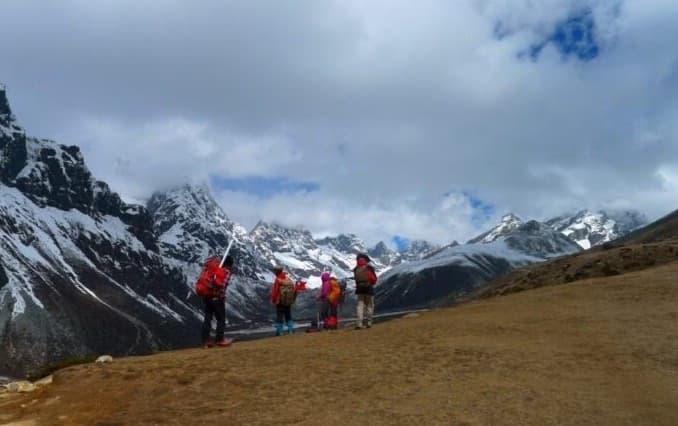
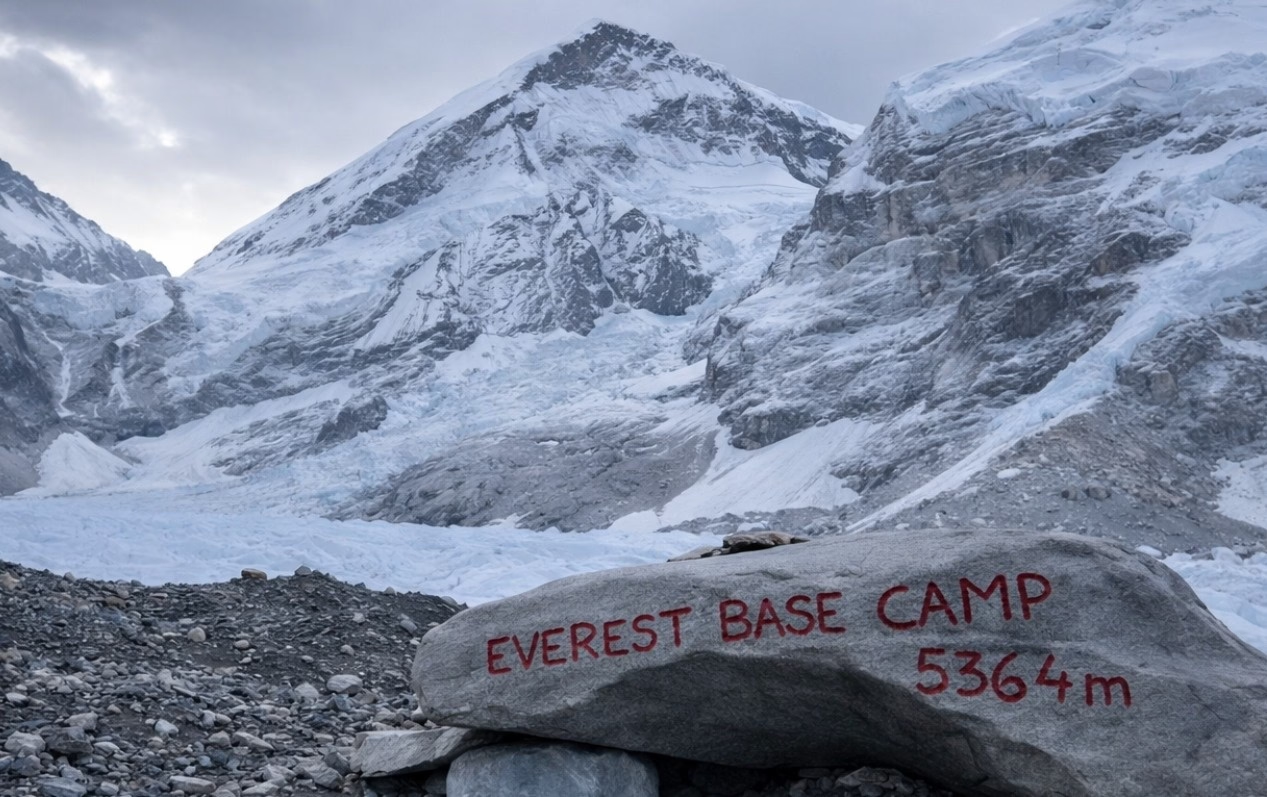
The Everest region, known as the Khumbu, offers far more than a single destination. Most visitors follow the classic Everest Base Camp (EBC) trek, a 12 to 14-day round trip from Lukla that winds through Sherpa villages, Buddhist monasteries, and high-altitude rhododendron forests before delivering you to the foot of the Khumjung glacier at 5,364 metres.
What experienced trekkers know, and many first-timers miss, is that the Kala Patthar viewpoint (5,645m), just above Base Camp, provides a sharper view of Everest's summit pyramid than Base Camp itself. From EBC, the mountain is partially obscured by surrounding ridgelines. Kala Patthar opens the full summit view, a detail worth planning your itinerary around.
Beyond the main trekking corridor, the Khumbu rewards exploration of its side valleys:
Gokyo Lakes: A series of high-altitude turquoise glacial lakes sitting above 4,700 metres. The summit view from Gokyo Ri rivals Kala Patthar's, and the route draws significantly fewer trekkers, making it a genuine alternative for those seeking a quieter Everest region experience.
Namche Bazaar: The hub of the Sherpa world and a mandatory acclimatization stop. Use a rest day here to visit the Sherpa Culture Museum, which places the mountain expedition world in its proper human and cultural context.
Tengboche Monastery: Perched on a ridge with unobstructed views of the striking pyramid of Ama Dablam, this is one of Nepal's highest and most atmospheric monasteries. If your timing aligns with the Mani Rimdu festival in November, the courtyard ceremonies are among the most vivid expressions of Tibetan Buddhist tradition accessible to visitors.
Three Passes Trek: For experienced trekkers seeking a full Khumbu circuit, this ambitious route crosses Kongma La, Cho La, and Renjo La passes and opens perspectives on the region that the standard EBC trail simply cannot match.
What most travel guides underemphasize: the Khumbu is not just a trekking corridor. The cultural landscape, mani walls built stone by stone over generations, prayer wheels aligned along rivers, chortens marking passes, and the deeply Buddhist values woven into Sherpa daily life, is as enriching as the mountain scenery. Travelers who approach the Everest region as a cultural journey, not just a physical one, consistently find it more rewarding.
When Is the Best Time to Visit Mount Everest?
The pre-monsoon spring season (March–May) and the post-monsoon autumn season (September–November) are the two prime windows for Everest region trekking. Skies are at their clearest, temperatures are manageable at altitude, and trails are fully accessible.
Spring carries the added beauty of blooming rhododendrons at lower elevations and the energy of summit-season expeditions departing from Base Camp. Autumn delivers the sharpest mountain visibility of the year, the monsoon rain scrubs the air clean, and October in particular is exceptional.
Winter trekking (December–February) is possible for experienced groups but brings severe cold above 4,000 metres and the risk of trail closures due to snowfall. The monsoon months (June–August) make lower sections muddy and mountain views unreliable, though the Everest region sits in a partial rain shadow that keeps precipitation lighter than in western Nepal.
2. Kathmandu
Nepal's capital is a living paradox: chaotic and meditative, ancient and rapidly modernizing, overwhelmingly sensory yet spiritually centering. Kathmandu is almost always the entry point for international visitors to Nepal, and it deserves considerably more time than a transit overnight.
What Are the Must-Visit Attractions in Kathmandu?
The Kathmandu Valley holds seven UNESCO World Heritage Sites, a density of cultural patrimony found almost nowhere else on Earth within such a compact geographic area.
Boudhanath Stupa: One of the largest Buddhist stupas in the world and the spiritual heart of Nepal's Tibetan exile community. The circumambulation path around its base, lined with monasteries, prayer wheel corridors, and the soft glow of butter lamp shrines, is one of the most quietly profound walks in Asia. Arrive early morning or late afternoon when the light and foot traffic create the most contemplative atmosphere.
Swayambhunath (Monkey Temple): Built on a hilltop overlooking the valley, this stupa complex is one of Kathmandu's oldest religious sites. Climb the 365 steps at sunrise for a panoramic city view before the morning haze builds.
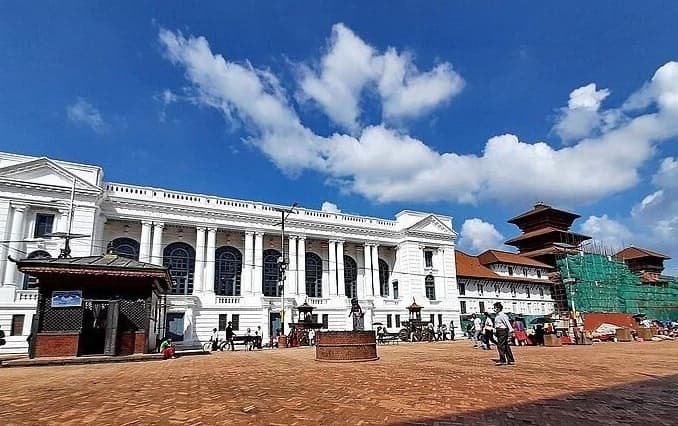
Kathmandu Durbar Square: The ceremonial core of the old royal city, anchored by the Kumari Chowk (home to Nepal's Living Goddess) and the towering Taleju Temple. The square was damaged in the 2015 earthquake and restoration work continues, giving visitors a rare window into how ancient monuments are rebuilt by traditional craftsmen using original techniques.
Patan Durbar Square: Just across the Bagmati River, Patan's medieval square is widely considered the most architecturally refined in the valley. The Patan Museum, housed in a beautifully restored palace courtyard, is Nepal's finest museum and consistently undervisited relative to its quality.
Garden of Dreams: A neoclassical Rana-era garden tucked directly behind the tourist district of Thamel. One of Kathmandu's most underappreciated retreats, and worth knowing about when the sensory intensity of the old city calls for a genuine break.
What most visitors overlook: Kathmandu is one of Asia's great cities for traditional craft arts. Patan has a centuries-old living tradition of bronze casting, thangka painting, and stone carving. Spending time with working artisans, not just purchasing from tourist-facing shops, reveals a creative inheritance that is still being actively passed down.
How Many Days Should You Spend in Kathmandu?
Most trekkers treat Kathmandu as a one-night stopover. A far better approach is three to four full days minimum. This allows you to cover key UNESCO sites without the anxious pace that comes from rushing, to acclimatize before heading to altitude, to process any permit paperwork, and to experience at least one proper evening in a local Newari restaurant, the kind of meal, with dishes like yomari, bara, and the fermented millet drink aila, that rarely appears on tourist-facing menus but defines local festive dining.
3. Pokhara
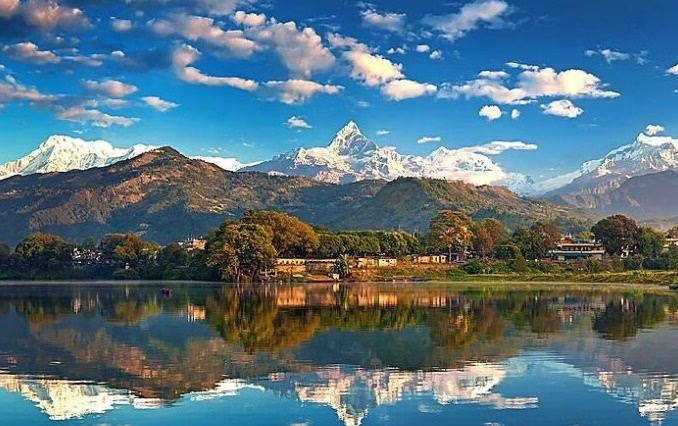
If Kathmandu is Nepal's cultural heartbeat, Pokhara is its soul. Situated on the shores of Phewa Lake with the Annapurna massif filling the northern horizon, Pokhara combines extraordinary natural beauty with a relaxed lakeside pace that draws visitors into staying far longer than they originally planned.
What Are the Best Things to Do in Pokhara?
Pokhara serves as both the gateway to the Annapurna trekking region and a rewarding destination in its own right.
Phewa Lake at sunrise: Rent a wooden dugout boat and row out to the Tal Barahi Temple on the lake's central island in early morning. The reflection of the Annapurna range on the still water at dawn is one of Nepal's genuinely iconic images, and it's best experienced before the wind comes up around 9 AM.
World Peace Pagoda: The Japanese-built stupa on a ridge above the southern lakeshore delivers the best combined view of Phewa Lake, the city, and the Himalayan horizon in a single frame. The 45-minute hike up from the lakeside is worth every step.
Paragliding from Sarangkot: Pokhara is among the world's premier destinations for paragliding in Nepal, with thermal conditions that allow long sustained gliding runs above the lake. The combination of altitude, ridge orientation, and reliable thermals makes it exceptional even by global standards.
Sarangkot Sunrise: The ridge above the city frames a Himalayan panorama including Dhaulagiri, Annapurna I through IV, Machhapuchhre (Fishtail), and Manaslu in a single sweep. The predawn drive or hike up is a rite of passage for Pokhara visitors.
Davis Falls and Gupteshwor Cave: The Phusre Khola river abruptly disappears underground here into a cave system containing a Shiva shrine. The contrast between the industrial roar of the waterfall and the dark, sacred stillness of the cave below is unexpectedly striking.
Begnas Lake: About 15 km east of the city center, this quieter lake sees a fraction of Phewa's tourist activity and rewards visitors with a more local, unhurried pace. Local fishermen still work the water with traditional methods.
International Mountain Museum; Consistently underestimated by visitors, this museum traces the full history of Himalayan mountaineering through original equipment, expedition artifacts, and first-ascent accounts. Plan two hours here.
When Is the Best Time to Visit Pokhara?
October to November and February to April represent Pokhara's peak conditions, post-monsoon clarity and spring warmth respectively, with the Annapurna range at its most visible. Unlike high-altitude trekking destinations, Pokhara itself is accessible and genuinely enjoyable year-round. The monsoon months (June–September) bring heavy, consistent rainfall that turns the surrounding hills an almost surreal shade of green, a very different visual experience, but one that has its own compelling beauty for travelers who embrace it.
4. Chitwan National Park
Nepal's first national park, established in 1973 and designated a UNESCO World Heritage Site in 1984, Chitwan protects one of Asia's last significant lowland jungle ecosystems. Located in the Terai, the flat subtropical plains bordering northern India, Chitwan is geographically and experientially a world away from the Himalayan landscapes most people associate with Nepal.
What Wildlife Can You See in Chitwan National Park?
Nepal's rhino population has recovered from fewer than 100 individuals in the early 1970s to 752 nationwide today, with Chitwan alone sheltering 694 of them, the source population for every other reintroduced rhino group in the country (752 rhinos nationwide, with 694 in Chitwan alone), a conservation success story that has become a point of genuine national pride and a model for protected area management across South Asia.
Beyond rhinos, the park's biodiversity is extraordinary:
Bengal tigers: Chitwan maintains one of the highest tiger densities of any protected area in Asia, the park and adjoining Parsa National Park together hold roughly 169 tigers, part of the 355 counted nationwide in Nepal's most recent count (355 tigers nationwide, per the 2022 National Tiger Survey), nearly triple the 2010 figure. Sightings are never guaranteed, but pugmarks are encountered frequently on jungle tracks.
Wild elephants, sloth bears, leopards, and four crocodile species: including the critically endangered gharial, all inhabit the park and its buffer zones.
Over 650 bird species: placing Chitwan among Asia's premier birding destinations. The endangered Bengal florican, the giant hornbill, and the rare Bengal bush lark are standout targets for serious birders.
What most first-time visitors don't anticipate: the buffer zone communities surrounding the park offer equally remarkable biodiversity encounters, often in settings that feel less curated and more spontaneous than the organized safari zones.
What Activities Should You Try in Chitwan National Park?
Jeep safari: The most efficient way to cover terrain and maximize sighting opportunities on a jungle safari day tour across Chitwan's diverse habitat zones.
Elephant-back safari: Increasingly managed to higher animal welfare standards; choose operators who are transparent about their elephant care practices.
Dugout canoe ride on the Rapti River: Drifting silently downriver past mugger crocodiles basking on sandbars is one of Chitwan's truly unmissable experiences. The pace of a river canoe opens a dimension of wildlife observation that no vehicle can replicate.
Guided jungle walk: Often the most intense wildlife encounter available. The difference between watching from a jeep and walking with an expert guide at ground level is significant.
Tharu cultural evening; The Tharu people are the indigenous inhabitants of Nepal's Terai lowlands. Their stick dance tradition, performed in village courtyards after dark, offers genuine cultural insight and one of Nepal's most distinctive evening experiences.
5. Lumbini
For Buddhists worldwide, Lumbini is one of the most sacred places on Earth, the confirmed birthplace of Gautama Buddha, the historical Buddha, born here around 563 BCE. For non-religious visitors, it is a profoundly serene and historically significant UNESCO World Heritage Site that deserves far more prominence on standard Nepal itineraries than it typically receives.
What Are the Top Attractions in Lumbini?
Maya Devi Temple: Built over the precise spot identified as the Buddha's birthplace and marked by the Ashoka Pillar, erected by Emperor Ashoka in 249 BCE. This inscribed pillar is among the oldest surviving monuments in South Asia and serves as a primary historical source confirming Lumbini's identity. The foundations revealed through archaeological excavations beneath the temple span from the 3rd century BCE to the medieval period.
Sacred Garden: The protected zone surrounding Maya Devi Temple, where ongoing excavation continues to reveal successive layers of sacred construction built over the original site.
Monastic Zone: A large planned development area divided into east (Theravada) and west (Mahayana/Vajrayana) sections, where dozens of Buddhist-majority nations have constructed national monasteries. The German, Vietnamese, Korean, Myanmar, and Chinese monasteries are particularly distinctive architecturally. Walking through this zone is an unusually accessible lesson in how different Buddhist traditions interpret a shared spiritual foundation differently through built form.
Eternal Peace Flame: Maintained adjacent to the Sacred Garden, lit using a flame brought from Hiroshima's Peace Memorial in 1986.
When Should You Visit Lumbini?
October to March offers the most comfortable conditions for visiting Lumbini, with daytime temperatures in the Terai ranging from 15°C to 25°C. Summer visits (April–June) are increasingly hot, regularly exceeding 35°C with high humidity. The Buddha Jayanti festival, celebrated on the full moon of May (Vaisakha Purnima), draws Buddhist pilgrims from across Asia and creates a remarkable atmosphere in the Sacred Garden, intense, but deeply memorable for those willing to plan around it.
6. Annapurna Base Camp
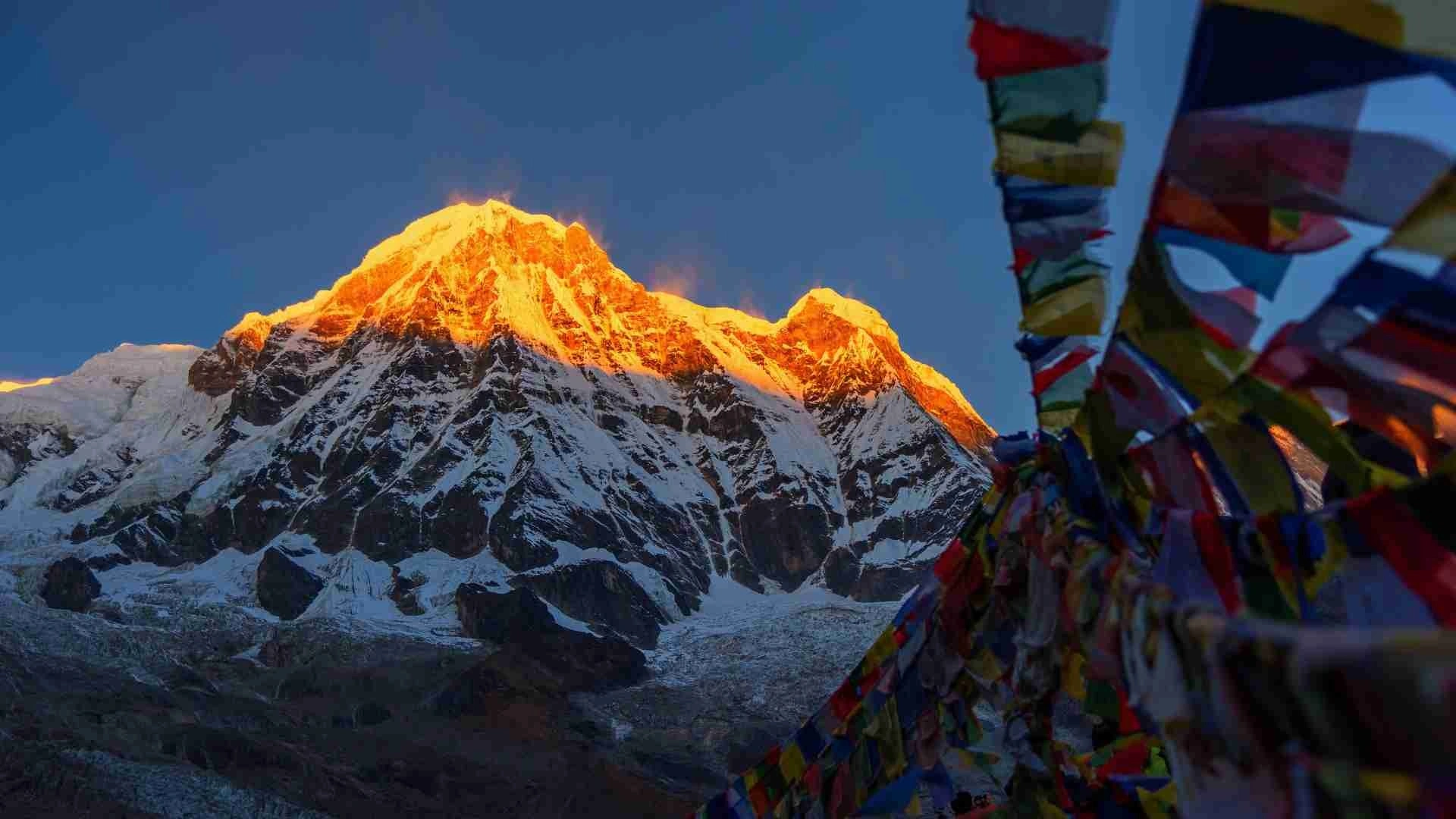
At 4,130 metres above sea level, Annapurna Base Camp sits inside a natural amphitheatre encircled by some of the most dramatic Himalayan terrain on the planet, Annapurna I (8,091m), South (7,219m), Machhapuchhre (6,993m), and Hiunchuli (6,441m), among others. The trek to reach it has become one of Nepal's most popular routes, and the reasons become obvious once you're on the trail.
What Makes the Annapurna Base Camp Trek Special?
Unlike the Everest region's long approach through a single high-altitude valley, the ABC trek is remarkable for its rapid and dramatic landscape transition. Within a single trek, you move through subtropical forest, dense bamboo groves, rhododendron forests at their flowering peak in spring, open alpine meadows, and finally the high glacial bowl of the Annapurna Sanctuary itself. The shift happens fast enough to feel almost theatrical.
The route also passes through Gurung and Magar villages where traditional stone architecture, community festivals, and old hospitality customs remain authentically intact. The village of Ghandruk in particular, a well-preserved Gurung settlement with views across to Annapurna South and Machhapuchhre, is a cultural highlight worth planning an extra night for.
What distinguishes ABC from other Himalayan base camp treks is the 360-degree enclosure of peaks at the summit. You're not looking up at a single mountain face from below, you're standing inside a ring of giants. The quality of morning light on the Annapurna Sanctuary walls is among the most photographed alpine scenes in the world. It earns every photograph.
Who Can Trek to Annapurna Base Camp?
The Annapurna Base Camp trek is rated moderate difficulty, suitable for travelers with reasonable baseline fitness who are comfortable with multi-day walking at altitude. No prior trekking experience is strictly required, though a few weeks of preparatory training, particularly uphill walking, significantly improves enjoyment on the trail.
Standard itineraries run 7–11 days depending on your starting point and preferred acclimatization pace. Most trekkers begin from Nayapul, accessible from Pokhara by road, or take a jeep further to Siwai or Jhinu Danda to shorten the approach by one or two days.
Required permits include the ACAP (Annapurna Conservation Area Permit) and TIMS card, both straightforward to obtain in Kathmandu or Pokhara. Optimal seasons align with Nepal's broader trekking calendar: October–November and March–May. The Annapurna region sits fully in the monsoon track, making June–September difficult for trekking due to heavy rain, leeches on lower trails, and cloud cover obscuring the views.
7. Pashupatinath Temple
On the banks of the sacred Bagmati River in eastern Kathmandu, Pashupatinath Temple is the most revered Hindu temple in Nepal and one of the four most sacred Shaivite shrines in the world. It is a place of profound, continuous religious practice, and for visitors, one of the most thought-provoking encounters with living spiritual tradition anywhere in Asia.
What Should Visitors Know Before Visiting Pashupatinath Temple?
The main temple sanctum is restricted to Hindu worshippers only. Non-Hindu visitors access the site from elevated viewing platforms on the eastern bank of the Bagmati, which actually provides excellent vantage points over the temple spires and onto the activity on the ghats below.
Key considerations before visiting:
Open-air cremations take place on Arya Ghat, the most sacred burning ghat directly adjacent to the main temple. These are openly visible from the eastern bank and are a profound, sobering encounter with Hindu attitudes toward death, the belief that cremation here on the banks of the Bagmati releases the soul from the cycle of rebirth. Visitors should approach these ceremonies with quiet respect; photography of active cremations is ethically sensitive and should be considered carefully.
Sadhus (Hindu ascetics) gather in the courtyard areas along the eastern bank, many in ochre robes with elaborately painted faces and ash-covered bodies. Many are willing to be photographed for a modest donation.
The Deupatan area surrounding the temple complex contains smaller shrines, ashrams, stone staircases connecting the riverbank to the hilltop, and networks of lanes that repay slow, unhurried exploration well beyond the main ghat area.
Be prepared for the monkeys, they are numerous, bold, and opportunistic. Secure food and loose items before entering the grounds.
What Is the Best Time to Visit Pashupatinath Temple?
The temple comes alive at early morning (6:00–8:00 AM) when the Aarti ceremony takes place and riverside activity reaches its daily peak. Late afternoon, as light falls obliquely across the spires and the evening ritual pace builds, is equally atmospheric.
Maha Shivaratri (February–March) is the most significant annual festival at Pashupatinath, drawing hundreds of thousands of pilgrims and sadhus from across Nepal and India. It is an extraordinary spectacle, chaotic, devout, and visually unlike anything else in Nepal, though preparation for crowds and early arrival are essential.
8. Bhaktapur Durbar Square
Just 13 kilometres east of Kathmandu and reachable by local bus, taxi, or organized day trip, Bhaktapur feels like a genuinely different world. This medieval Newari city, once an independent kingdom within the Kathmandu Valley, has been more carefully preserved than its larger neighbors. Its Durbar Square is widely considered the finest surviving example of medieval Newar urban architecture anywhere in existence.
What Are the Must-See Attractions in Bhaktapur Durbar Square?
55-Window Palace: Built in the 17th century during the reign of King Bhupatindra Malla. The intricate woodcarving across all 55 windows is a masterwork of Newari craftsmanship, with no two panels identical in their decorative detail. The celebrated Peacock Window is one of the most reproduced images in Nepali art, though no photograph adequately conveys the depth and precision of the carving in person.
Nyatapola Temple: Nepal's tallest pagoda at 30 metres across five storeys, constructed in 1702 and still standing largely intact. The processional stairway flanked by pairs of stone guardians, Malla wrestlers, elephants, lions, griffins, and divine figures diminishing in scale at each level, is a deliberate architectural expression of divine hierarchy ascending toward the shrine at the top.
Taumadhi Square: Adjacent to the Nyatapola Temple, this secondary square contains the Bhairabnath Temple and a cluster of smaller shrines that are architecturally outstanding yet see far fewer visitors than the main Durbar Square.
Dattatreya Square; The oldest part of Bhaktapur, containing some of the valley's most ancient temple structures. The carved Peacock Window in the Pujari Math courtyard here (not to be confused with the one in the main Durbar Square) is frequently cited by art historians as one of the finest examples of wood carving in Asia.
Pottery Square (Kumale Tole): Bhaktapur's potters still produce traditional black clay pottery using techniques that have changed little across generations. Watching this craft in active practice, and purchasing directly from makers at working prices rather than tourist-facing markups, is one of Bhaktapur's most genuinely satisfying experiences.
How Can You Experience Local Culture in Bhaktapur?
Stay long enough for Juju Dhau, the "king of yogurt," a thick, rich buffalo yogurt made exclusively in Bhaktapur and sold in traditional clay pots that are part of the appeal. It's one of Nepal's most distinctive food experiences and available from vendors throughout the old city lanes.
Plan your visit for a weekday morning to see the neighborhoods operating as a living community rather than a heritage showpiece. Arrive by 9:00 AM to stay ahead of organized tour groups. Allow at least a half-day, preferably a full day with time to explore the lanes beyond the main squares. The entry fee charged to foreign visitors directly funds preservation and restoration work throughout the old city, one of the more transparent heritage conservation funding models in South Asia.
9. Rara Lake
For travelers prepared to move beyond Nepal's well-worn tourist corridors, Rara Lake is one of the country's most exceptional rewards. Located in the remote Mugu district of northwestern Nepal, Rara is Nepal's largest lake, covering the government-verified 10.8 km², 167-metre-deep lake, set in a bowl of intact pine and juniper forest at 2,990 metres above sea level.
What Activities Can You Enjoy at Rara Lake?
The lake's remoteness is its defining and most valuable characteristic. Rara National Park, which protects the lake and its surrounding forests, sees a fraction of the visitors that Chitwan or the Annapurna Conservation Area attract. This means wildlife encounters in truly undisturbed habitat and a contemplative quality to the landscape that Nepal's more accessible natural areas have largely lost.
Circumnavigation trek: Walking the full perimeter of the lake takes two to three days and passes through forests where red pandas, Himalayan black bears, musk deer, and 296 recorded bird species, almost a third of every species found in Nepal (296 bird species, nearly a third of Nepal's total), have been documented. Trail conditions are basic but the solitude is exceptional.
Lakeside reflection photography: Rara's surface shifts through the day in ways that are genuinely unusual, deep blue under high cloud, turquoise in direct sun, silver at dusk. The conditions for landscape photography are among the best in Nepal.
Kayaking on the lake: Access permits can be arranged locally; the still water and surrounding mountain reflections create a paddling experience unlike anything available at Nepal's more accessible lakes.
Cultural engagement with local communities: The surrounding villages belong to the Khas and Mugu Tibetan communities, offering insight into ways of life far removed from the trekking industry infrastructure that shapes life along Nepal's main trekking corridors.
How Do You Reach Rara Lake?
Getting to Rara requires genuine logistical planning, and the effort is entirely part of the reward. The most practical route for a Rara Lake trek involves a flight from Kathmandu to Talcha Airport (near Gamgadhi in Mugu district), followed by a two to three-day trek to the lake. Flights operate on small aircraft with schedules subject to mountain weather and demand; building flexibility into your itinerary is not optional, it's essential.
An alternative route flies from Kathmandu to Nepalgunj, then takes a connecting small aircraft to Talcha. The full trekking circuit from Gamgadhi typically runs five to seven days for a complete loop.
Rara is best visited from October to November for post-monsoon clarity and vivid autumn color, or April to May for spring warmth and wildflower season. Winter temperatures can drop well below freezing and the lake partially freezes; summer months bring monsoon cloud that limits the views that make the journey worthwhile.
10. Nagarkot
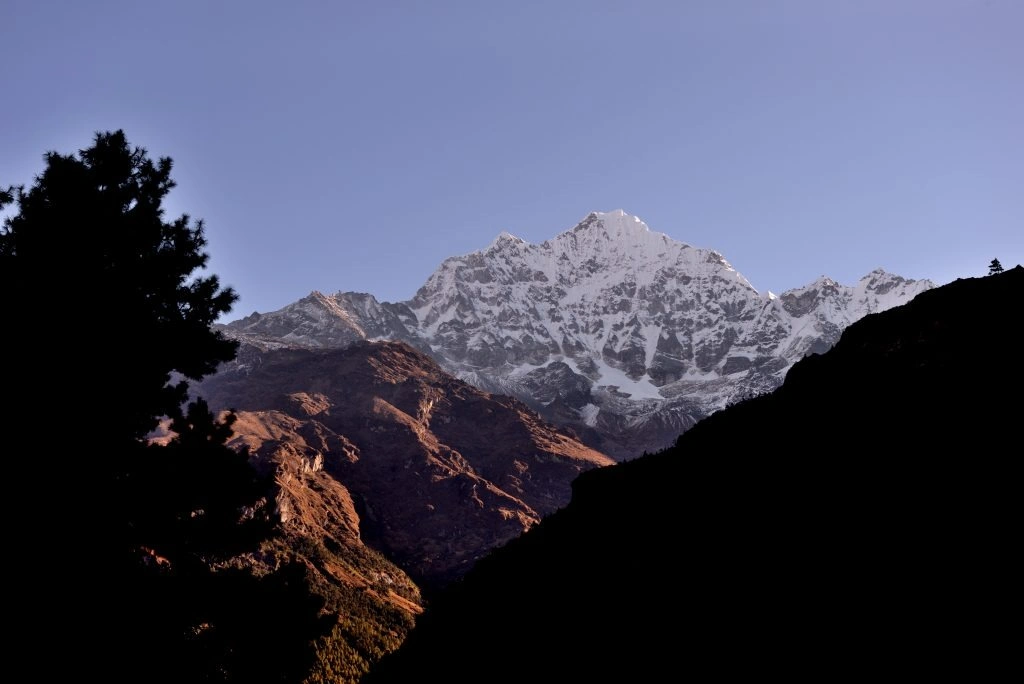
At 2,175 metres above sea level on a ridge northeast of Kathmandu, Nagarkot offers what many experienced Nepal travelers consider the valley's most accessible and panoramically rewarding Himalayan viewpoint. On a clear morning, most common in October and November, the view sweeps from Dhaulagiri in the west through Manaslu, Ganesh Himal, Langtang, Jugal, Everest, Lhotse, Makalu, and east to Kanchenjunga: a 200-kilometre arc of Himalayan peaks visible from a single ridgeline.
What Can You Do Besides Watching the Sunrise in Nagarkot?
Nagarkot is most often treated as a one-night sunrise excursion from Kathmandu, but the area offers considerably more for travelers who stay an extra day.
Cycling to Bhaktapur: One of Nepal's most enjoyable day rides, a predominantly downhill route through terraced farmland, forested ridges, and quiet villages that delivers you to the medieval city of Bhaktapur in two to three hours. Bicycle rentals are available in Nagarkot town, and the combination of ridge views and cultural payoff at the bottom makes this a highly recommended experience.
Ridgeline forest hiking: The trails running northeast from Nagarkot town pass through rhododendron and oak forest and offer increasingly quiet Himalayan views as you move away from the main viewpoint tower. Early morning walks here are peaceful in ways that the main viewpoint, crowded around sunrise, is not.
Changunarayan Temple day trip: Nepal's oldest surviving temple complex, dating to the 4th century CE and dedicated to Vishnu, sits on a forested ridge below Nagarkot. Another UNESCO World Heritage Site, and one of the most historically significant yet consistently undervisited monuments in the valley. The return hike from Nagarkot takes three to four hours through agricultural terraces and pine forest.
Farm stays and local food: Several small family-run guesthouses and farm lodges in and around Nagarkot now offer genuine farm-to-table experiences using locally grown produce. This has emerged as a quietly popular way to experience rural Nepali life within an easy day's travel from Kathmandu.
When Is the Best Time to Visit Nagarkot?
October to February offers the clearest mountain visibility, with the sharpest conditions typically occurring in the first weeks after the monsoon ends in early October. November and December mornings can reveal the full 360-degree panorama under deep blue skies, though temperatures near the viewpoint can drop close to freezing before sunrise, warm layers are non-negotiable. The monsoon months (June–September) obscure the mountains most mornings, though the green terraced landscape and dramatic storm light over the valley have their own kind of beauty for travelers with the right expectations.
How Can You Plan the Perfect Nepal Tour to Visit These Top Destinations?
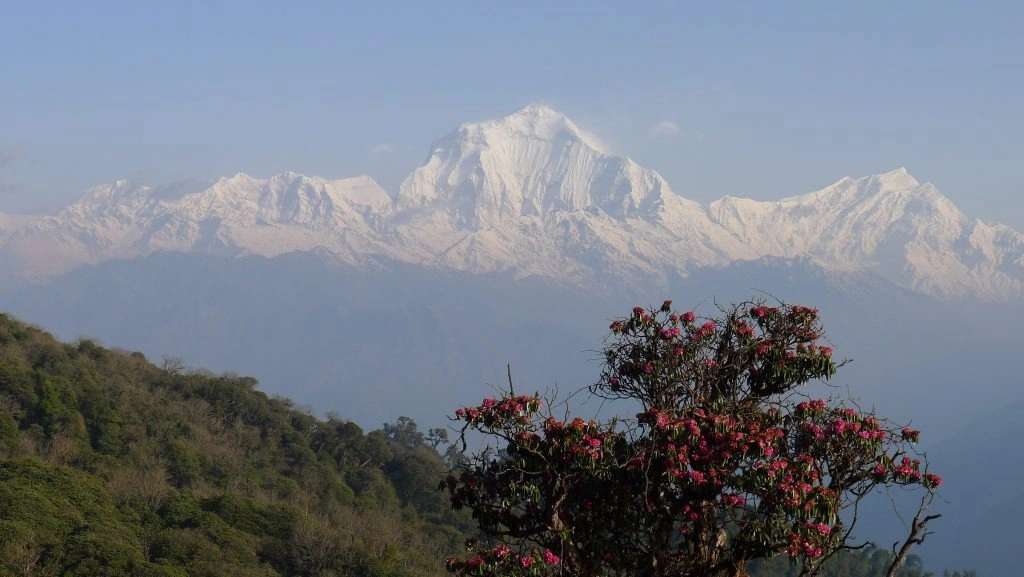
Nepal's geography divides naturally into three functional travel regions: the Himalayan trekking zones (Everest, Annapurna, and remote areas like Rara), the Kathmandu Valley cultural circuit (Kathmandu, Bhaktapur, Pashupatinath, Nagarkot), and the Terai lowlands (Chitwan and Lumbini). A well-structured Nepal itinerary sequences these regions logically, minimizing backtracking and aligning with the most favorable seasonal windows.
A practical 14–18 day framework:
Days 1–3: Kathmandu Valley, Pashupatinath, Boudhanath, Durbar Squares, Patan, day trip to Bhaktapur
Days 4–5: Nagarkot sunrise and optional Changunarayan hike; return to Kathmandu for departure logistics
Days 6–16 (or up to Day 19 for Everest): Annapurna Base Camp trek (7–11 days from Pokhara). If you choose the Everest Base Camp trek (12–14 days from Lukla), you will need to extend this segment of your itinerary to Days 6–19 to ensure safe acclimatization.
Days 17–18: Chitwan National Park, accessible by road from Pokhara or by flight from Kathmandu
Optional extension: Lumbini (one full day; accessible from Chitwan by a 3-hour road journey west)
Rara Lake works best as a dedicated extension of seven to ten days, ideally planned as a standalone trip or combined with other remote western Nepal destinations such as Dolpo or Humla.
Key planning considerations that most travel guides underemphasize:
Nepal's internal flight bookings, particularly the Kathmandu–Lukla route and small aircraft services to remote airstrips like Talcha, sell out far in advance during peak season. Book as early as possible.
Trekking regulations have seen major changes recently, most notably, solo trekking without a licensed guide is no longer permitted in Nepal's national parks and conservation areas. Permit requirements vary: Annapurna requires an ACAP and TIMS card, while Everest requires a Sagarmatha National Park fee and a Khumbu Rural Municipality Permit (which has completely replaced the TIMS card for this region). Confirming current permit requirements before departure avoids delays on the ground.
Build weather buffer days into any trekking itinerary. Mountain weather is non-negotiable; the travelers who incorporate flexibility into their schedules have consistently better experiences than those on rigid timelines.
Nepal's Visa on Arrival is available at Tribhuvan International Airport in Kathmandu. Having the correct fee in US dollars and passport photos ready significantly smooths the immigration process.
Can Nepal Intrepid Treks Help You Explore Nepal's Top Tourist Places?
Planning a Nepal itinerary that meaningfully connects these diverse destinations, from the high-altitude corridors of the Khumbu to Chitwan's jungle paths and the medieval lanes of Bhaktapur, requires local knowledge that no guidebook can fully replicate. Trail conditions, teahouse quality in remote areas, seasonal variations in permit regulations, internal flight availability, and the practical realities of Nepal travel shift year to year in ways that only firsthand, on-the-ground experience tracks accurately.
Nepal Intrepid Treks specializes in exactly this kind of experience-backed Nepal travel planning. Whether you are looking for fully supported Annapurna Base Camp trekking with logistics managed end-to-end, a custom itinerary combining Kathmandu's cultural depth with Rara Lake's remote serenity, a family-friendly Chitwan wildlife safari paired with the Lumbini pilgrimage circuit, or a challenging high-altitude trek for experienced mountain travelers, the team brings genuine firsthand knowledge of Nepal's terrain, seasons, and cultural rhythms to every itinerary.
Working with a knowledgeable local operator doesn't just reduce logistical friction, it materially improves what you see and experience. The teahouse that has been run by the same family for 25 years. The trail variation that avoids the main crowd bottleneck on Annapurna's most popular section. The monastery where visiting trekkers are genuinely welcomed into morning puja. These are not details that appear in itinerary PDFs, they come from years of walking the same trails, building relationships with the same communities, and caring about the quality of each individual experience.
Ready to begin planning? Connect with Nepal Intrepid Treks to customize your itinerary, discuss the right seasonal timing for your goals, and build the logistical framework that turns a collection of great destinations into a coherent, memorable journey.
What Are the Key Takeaways About Nepal's Top 10 Tourist Places?
Nepal's diversity is its greatest travel asset. Within a single well-planned trip, you can stand at the foot of Everest, walk the circumambulation path of one of the world's great Buddhist stupas, drift past crocodiles on a jungle river, and watch the sunrise paint the Himalayan horizon from a quiet ridge viewpoint, all within the span of two weeks.
Destination | Best For | Ideal Season |
Mount Everest Region | High-altitude trekking, Sherpa culture, mountaineering history | Mar–May, Sep–Nov |
Kathmandu | UNESCO World Heritage Sites, cultural depth, city life | Year-round |
Pokhara | Lakeside pace, paragliding, Annapurna gateway | Oct–Nov, Feb–Apr |
Chitwan National Park | Wildlife safari, rhino and tiger sightings, Tharu culture | Oct–Mar |
Lumbini | Buddhist pilgrimage, historical significance | Oct–Mar |
Annapurna Base Camp | Moderate trekking, diverse landscapes, Himalayan amphitheatre | Mar–May, Oct–Nov |
Pashupatinath Temple | Hindu sacred site, living religious tradition, ghats | Year-round (Feb for Shivaratri) |
Bhaktapur Durbar Square | Medieval Newari architecture, craft traditions, local food | Year-round |
Rara Lake | Remote wilderness, pristine nature, complete solitude | Apr–May, Oct–Nov |
Nagarkot | Himalayan sunrise panorama, day cycling, village walks | Oct–Feb |
The most important principle for building your Nepal journey: don't compress all ten destinations into a single rushed itinerary. Nepal rewards the traveler who slows down, who spends an extra night in a Khumbu teahouse, accepts a cup of butter tea from a Gurung family along the trail to Annapurna, or simply sits at the edge of Rara Lake watching the light change across the water without checking the time.
That is when Nepal stops being a list of impressive places and becomes something that permanently expands your sense of what travel can be.