Kumari is the living goddess of Nepal, a pre-pubescent girl worshipped as the earthly incarnation of the divine feminine. She embodies Taleju Bhawani, a tantric form of the goddess Durga, and serves as a protector of the Nepalese people and state. Nepal is the only country in the world that institutionally worships a living human being as a goddess.
This article covers everything you need to know about Kumari, her origin, the strict selection process, her daily life, the legends behind the tradition, and where to see her during a visit to Nepal.
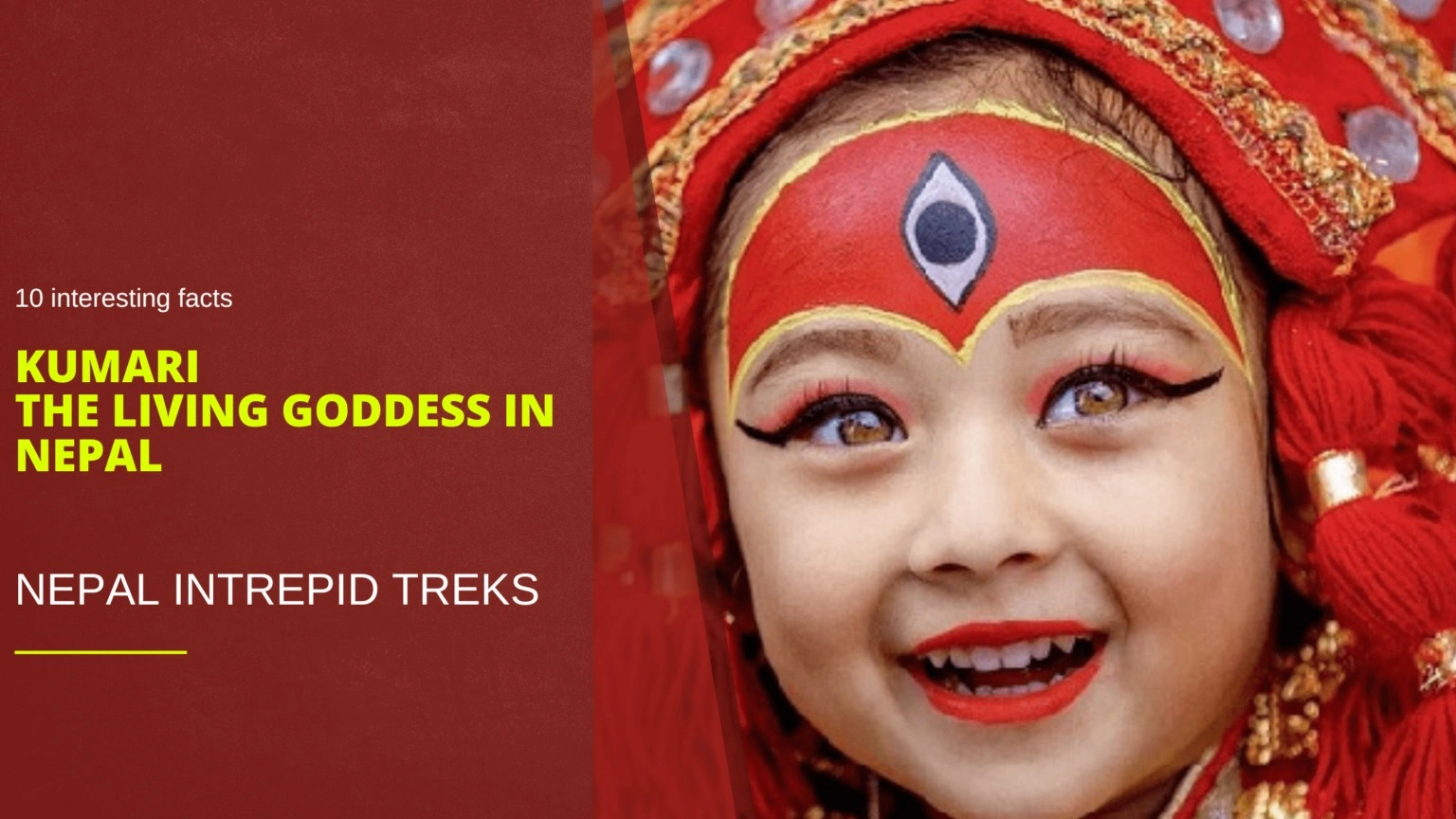
Here are 10 clear facts about Kumari the Living Goddess of Nepal
Living Virgin Goddess: A young girl worshipped as a living goddess in Nepal, embodying the goddess Taleju, a form of Durga.
Facial Expressions: According to traditional belief, the Kumari's facial expressions are interpreted as omens by devotees. A smile is considered a sign of blessings and good fortune, while expressions such as crying or frowning are traditionally regarded as warnings of future difficulties. It is considered a positive omen. Despite this, other facial expressions can have different interpretations, if she frowns, cries, or shows signs of distress, it is thought to be an unfavourable sign, possibly foretelling misfortune or challenges ahead. pines. For instance, In Nepalese culture, her expressions are taken seriously by her devotees, as she is regarded as a divine being with the power to influence one’s destiny.
Strict Selection Process: She is chosen from the Newar Buddhist Shakya caste, typically between ages 4 and 5, and must meet strict physical and astrological criteria.
Royal Kumari of Kathmandu: The most revered Kumari resides in Kathmandu’s Kumari Ghar, a palace where she is honoured as the Royal Kumari.
End of Reign: Her divinity is believed to leave her body when she experiences her first menstruation, serious illness, or significant blood loss.
Legends Behind the Tradition: The tradition is linked to various legends, most notably involving King Jayaprakash Malla and the goddess Taleju.
Cultural Significance: The Kumari plays a vital role in Nepal’s religious festivals, particularly during Indra Jatra, where the king traditionally seeks her blessing.
Worship in Hinduism and Buddhism: Worship is rooted in Hindu and Buddhist beliefs, symbolizing the divine feminine energy present in all beings. This practice of worshipping a living goddess is unique to Nepal and is respected by Hindu and Buddhist communities.
Kumari Ghar Architecture: The residence, Kumari Ghar, is renowned for its intricate wooden carvings and terracotta art, reflecting 18th-century craftsmanship.
Global Awareness: While deeply rooted in Nepalese tradition, she has gained global attention for being one of the world’s few living goddesses.
.webp)
What Is Kumari, the Living Goddess of Nepal?
Kumari is a pre-pubescent girl from the Shakya caste of the Newar Buddhist community, selected and worshipped as the living embodiment of the goddess Taleju. The word "Kumari" derives from the Sanskrit Kaumarya, meaning "virgin" or "princess." She represents the divine feminine energy, called Shakti, believed to reside in all living beings.
The Kumari tradition is not exclusively Hindu or Buddhist. It is a synthesis of both faiths, reflecting Nepal's unique religious identity. Both Hindus and Buddhists revere her as a supreme deity. Hindu devotees see her as a form of Durga. Buddhist Newar devotees revere her as Vajradevi, a tantric manifestation of divine power.
There are multiple Kumaris across the Kathmandu Valley, including those in Kathmandu, Lalitpur (Patan), Bhaktapur, Sankhu, and Bungamati. Among all, the Royal Kumari of Kathmandu holds the highest status and receives the greatest veneration, including historical blessings conferred on Nepal's kings. The tradition is prevalent in the Kathmandu Valley and some parts of Nepal, including Kathmandu, Lalitpur, Bhaktapur, Sankhu, and Bungamati. You can experience Kumari during the Kathmandu Valley tour in Nepal.
What Are the Origins and History of the Kumari Tradition?
The Kumari tradition dates to at least the 17th century during the Malla dynasty, with the most widely cited origin linked to King Jayaprakash Malla, the last Malla king of Kathmandu, who reigned until 1768. However, some historical accounts trace elements of the tradition to King Gunakamadeva, who is credited with founding Kathmandu in the 10th century.
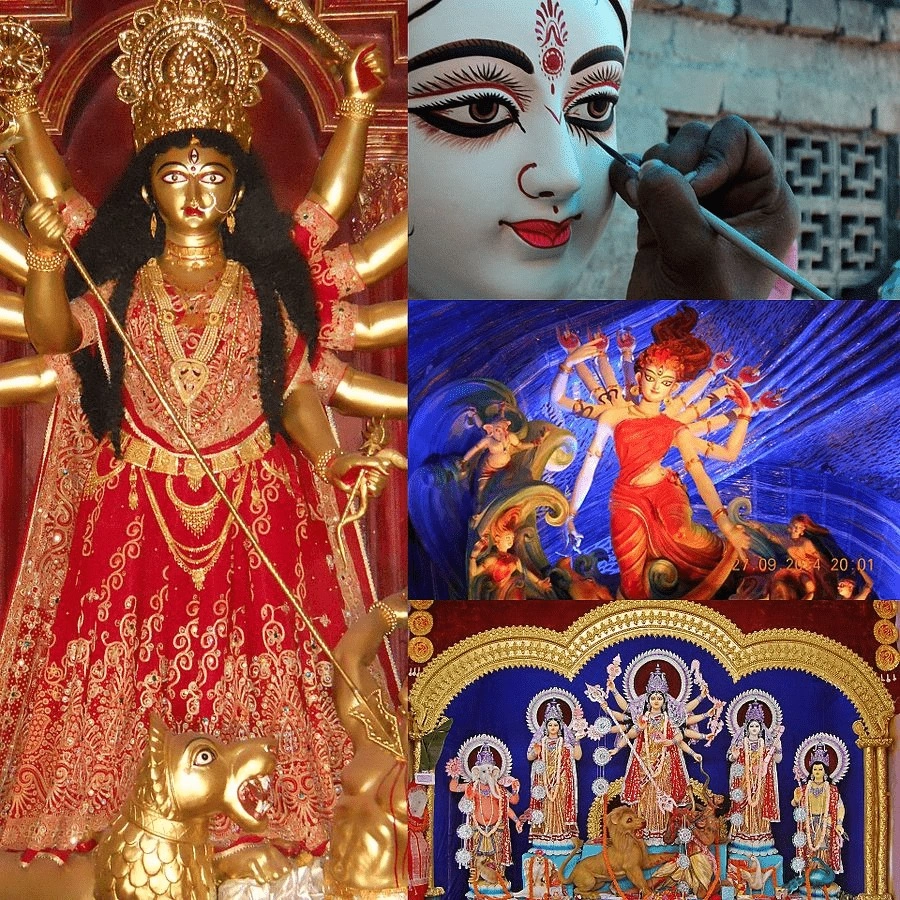
The worship of young girls as living deities, a practice called Kumari Puja, has deep roots in tantric traditions of the Indian subcontinent. Nepal institutionalized this practice in ways no other culture did, creating a formal palace, a selection process, and a state-recognized religious role.
How Did the Kumari Tradition Begin? The Legends Explained
3 primary legends explain the origin of the Kumari tradition. Each originates in royal encounters with the goddess Taleju.
Legend 1, King Jayaprakash Malla and the Dice Game: The most widely cited legend states that the goddess Taleju visited King Jayaprakash Malla nightly to play Tripasa, a traditional dice game, and to counsel him on affairs of state. When the queen discovered their meetings, the goddess was enraged by the violation of their sacred bond. She declared she would never return to the king in her original form, but promised to continue protecting the kingdom if worshipped in the body of a young Shakya girl. The king searched for a suitable vessel and established the tradition of the Royal Kumari.
Legend 2, King Trailokya Malla: A second account names King Trailokya Malla as the king who first dishonoured the goddess through lustful thoughts during their meetings. The goddess departed and gave the same promise, to return only in the form of a virgin girl.
Legend 3, Possession During a Festival: A third tradition speaks of the goddess Durga spontaneously possessing a young Shakya girl during the reign of Jayaprakash Malla, during a Dashain festival celebration. Devotees recognized the divine presence and formalized the practice of selecting a living vessel.
All 3 legends share a common structure: a rupture between the king and the goddess, followed by the goddess's promise to protect the kingdom through a child vessel. This narrative pattern reinforces the sacred covenant between state power and divine protection that defines the Kumari's role in Nepalese governance.
How Is the Kumari Selected? The 32-Attribute Process
The selection of a new Kumari follows one of the most rigorous spiritual and physical screening processes in the world, requiring a candidate to meet 32 specific attributes known as Battis Lakshan (32 auspicious signs).
A new Kumari is selected approximately every 10 years from girls aged 4 to 5. The process proceeds through 4 formal stages.
Stage 1: Caste and Family Verification
The candidate must come from the Shakya sub-caste of the Newar Buddhist community in Kathmandu. The Shakya caste is traditionally associated with goldsmithing and is the same lineage as the historical Siddhartha Gautama, the founder of Buddhism. Family background and lineage are verified by royal priests before any physical screening begins.
Stage 2: Physical Examination Against 32 Attributes
The girl's body is examined against 32 auspicious physical characteristics. These include:
A body without blemish, scar, or physical imperfection
Large, dark, expressive eyes (described as "eyes like a cow" in traditional texts)
Thighs like a deer, lean and symmetrical
A chest like a lion, broad and strong for her age
A voice clear and soft as a duck
A neck like a conch shell, smooth and unblemished
Hair and eyelashes like those of a blackbird, dark, fine, and clean
A body with the scent of saffron
Fearlessness, the girl must not cry when exposed to frightening stimuli
Stage 3: Astrological Compatibility
The candidate's astrological horoscope is cast and compared with that of the reigning head of state. Their horoscopes must be compatible to ensure the Kumari's protection will extend to national leadership. Incompatibility at this stage eliminates otherwise qualified candidates.
Stage 4: The Night of the Demons; Final Test of Courage
The final and most psychologically demanding test takes place on a single night. The candidate is placed alone in a dark room surrounded by the severed heads of sacrificed animals, masked men dressed as demons, and loud ritual sounds. A girl who remains calm and shows no fear passes the test. Her fearlessness is taken as evidence that the goddess Taleju has chosen to reside within her.
Priests and senior religious figures observe her reactions. A girl who cries, screams, or shows distress is disqualified. Only the girl who sits peacefully, plays with the offerings, or shows signs of otherworldly composure is confirmed as the new Kumari.
Where Does the Kumari Live? Inside Kumari Ghar
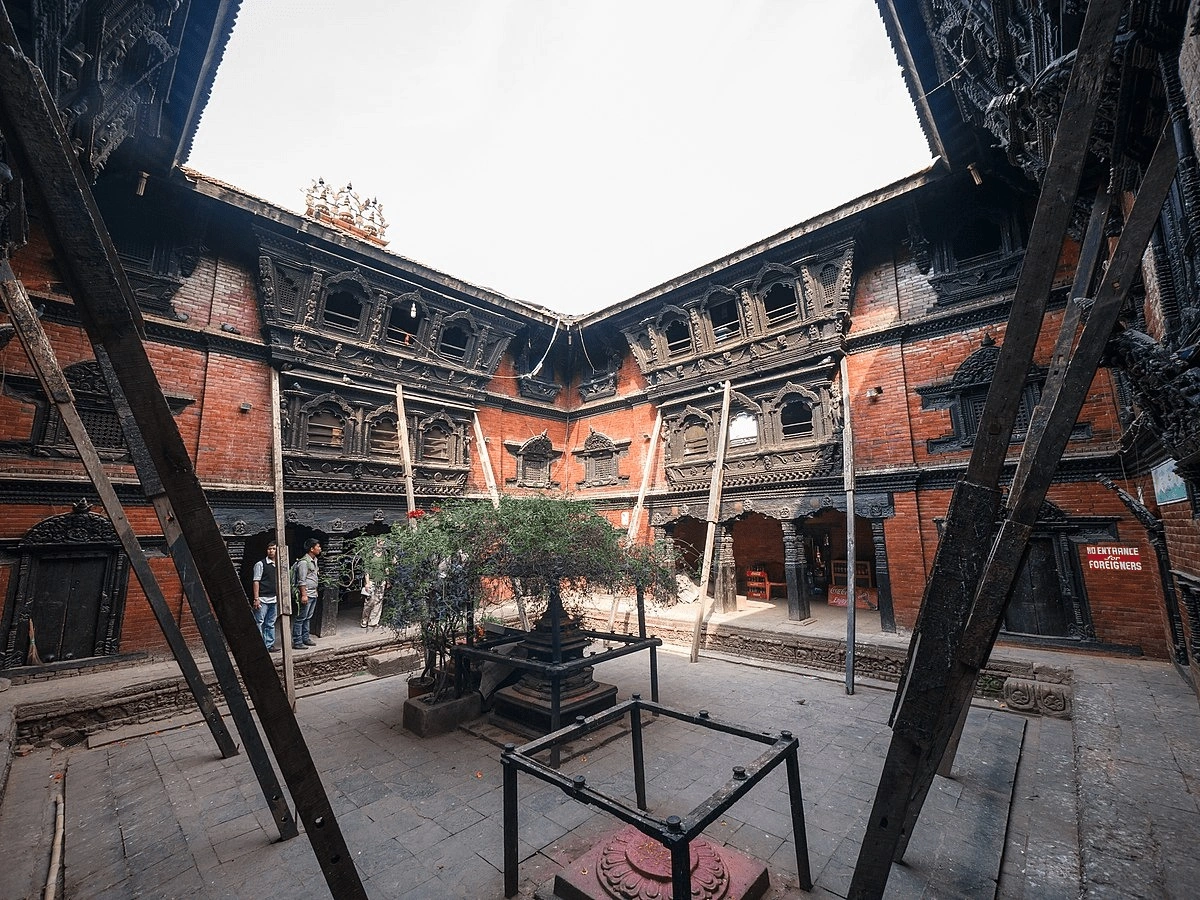
The Royal Kumari of Kathmandu resides in Kumari Ghar (Kumari House), a three-storey palace located in Basantapur, adjacent to Hanuman Dhoka Palace at Kathmandu Durbar Square.
Kumari Ghar was built in 1757 CE during the reign of King Jaya Prakash Malla. The building is a masterpiece of Newari architecture, featuring:
Intricately carved wooden windows and latticed screens on three façades, considered among the finest examples of 18th-century Newari wood carving
Terracotta tile ornamentation on the exterior walls
An inner courtyard used for rituals and festivals, not accessible to non-Hindus
A famous mural painting from the Malla period on one interior wall, visible only to initiated priests
The ground floor houses administrative and ritual spaces. The Kumari and her family live on the upper floors. Visitors can see her from the courtyard below when she appears at the central carved window, a richly decorated frame known as the "Golden Window" or Sundhara Jhyaal.
Kumari Ghar visiting hours: The Kumari appears at the carved window approximately twice per day, typically in the midafternoon between 1:00 PM and 3:00 PM. Appearances are not guaranteed and depend on ritual schedules. Photography of the Kumari is strictly prohibited. Entry to the courtyard is free.
What Is the Daily Life of the Kumari Like?
The Kumari lives a life of strict ritual confinement, rarely leaving Kumari Ghar and only doing so on specific festival days when she is carried in a palanquin, her feet must never touch the ground.
Her daily routine includes morning prayers, ritual bathing, ceremonial dressing by attendant priests, and limited contact with family members and visitors. She does not attend a public school. Private tutors teach her core academic subjects, mathematics, Nepali language, and sciences, within the palace. The aim is to ensure she can reintegrate into normal society after her reign ends.
Her diet is carefully controlled. Certain foods considered impure or ritually unsuitable are excluded. She receives daily worship from attendant priests who perform puja (ritual offering) to her.
Social interaction is limited. She does not play outside, engage in typical childhood activities, or form broad peer relationships. This aspect of her life has generated significant international debate about child welfare and rights.
What most visitors overlook is that the Kumari's family typically lives with her inside Kumari Ghar. Her father receives a government stipend for his service to the tradition. The child is not entirely separated from family life, though her movements and activities are governed by ritual protocol.
What Do the Kumari's Facial Expressions Mean?
The Kumari's facial expressions carry divine significance, each expression is interpreted as an omen by devotees and petitioners who come to seek her blessing.
The 6 most recognized expressions and their meanings are:
Expression
Interpretation
Smiling or laughing
Bright fortune, blessings, and success ahead
Weeping or showing distress
Serious misfortune or illness in the petitioner's future
Rubbing her eyes
Imminent death
Trembling
Fear, imprisonment, or punishment ahead
Clapping her hands
Cause for great fear
Picking at food offerings
Financial losses or ruin
A calm, serene expression with direct eye contact is considered the most auspicious outcome. Devotees who receive a direct gaze from the Kumari believe they have received her active divine blessing.
What Are the Age Titles of Kumari? The 16-Stage System
The Kumari worship tradition assigns a specific divine title to the goddess based on the age of the girl being worshipped, reflecting a belief that the goddess's form changes as the child grows.
The 16 age-based titles are:
Age
Title
Primary Association
1
Sandhya
Twilight goddess
2
Sarasvati
Goddess of knowledge
3
Tridhamurti
Three-formed deity
4
Kalika
Dark goddess of time
5
Subhaga
Goddess of good fortune
6
Uma / Parvati
Consort of Shiva
7
Malini
Garland-bearing goddess
8
Kubjika
Tantric serpent goddess
9
Kaalasandarbha
Time-context goddess
10
Aparajita
Unconquered goddess
11
Rudrani
Female form of Rudra
12
Bhairavi
Ferocious tantric goddess
13
Mahalakshmi
Great goddess of prosperity
14
Pithanayika
Seat goddess
15
Kshetragya
Field-knowing goddess
16
Ambika
Great Mother
This system reflects the Shakta tantric tradition of recognizing the same divine feminine energy across her different manifestations. Each title corresponds to a different aspect of Durga-Taleju's cosmic power.
When Does the Kumari's Reign End?
A Kumari's reign ends when the goddess Taleju is believed to depart from her body. The 3 primary conditions that end her reign are:
First menstruation: the most common endpoint, typically between ages 11 and 16
Serious illness involving blood loss: including surgery or significant injury
Loss of a milk tooth: this specific condition applies only to the Bungamati Kumari, whose reign ends earlier
After her reign ends, the former Kumari is known as Nani or "girl" and must return to ordinary life. She receives a government pension, a practice codified after the Supreme Court of Nepal issued an order in 2008 improving post-retirement support. The pension amount is modest but represents formal state recognition of her service.
Reintegration into society presents real challenges. Former Kumaris report difficulty forming romantic relationships, as a traditional belief, largely not supported by the former Kumaris themselves, suggests that marrying a former Kumari brings misfortune to the husband. This belief has weakened significantly in recent decades. Several former Kumaris have married and led successful professional lives.
Rashmila Shakya, a former Royal Kumari (1984–1991), co-authored a memoir, From Goddess to Mortal, which offers a direct account of her life inside Kumari Ghar and the challenges of reintegration. Her testimony is one of the most authoritative first-person accounts of the Kumari experience available in English.
What Role Does Kumari Play in Nepal's Festivals?
The Kumari participates in 13 major festivals per year, during which she is carried through the streets in an ornate wooden chariot called a rath. The most important of these is Indra Jatra, an 8-day festival held each September in Kathmandu.
Indra Jatra: The Festival of the Living Goddess
Indra Jatra celebrates the Hindu god Indra and marks the end of the monsoon season. The Royal Kumari plays the central role in the festival's opening ceremony. The head of state, historically the king, now the President of Nepal, visits Kumari Ghar to receive her tika (forehead mark of blessing). This blessing was considered essential to the political legitimacy of Nepalese rulers.
The Kumari's chariot procession during Indra Jatra follows a fixed route through the old city of Kathmandu, with the Kumari riding alongside the living chariots of Ganesh and Bhairava. Hundreds of thousands of devotees line the streets to receive her blessing.
Other significant festivals in which the Kumari participates include:
Kumari Jatra: a procession specific to the Kumari herself
Dashain (Vijaya Dashami): she receives worship as the supreme goddess
Ratna Jatra: a procession through the Asan market area
Navaratri: 9-night goddess festival, during which Kumari Puja is performed
The Kumari Puja during Navaratri is traditionally performed on Mahastami (eighth night) or Navami (ninth night). It commemorates the goddess Kali's defeat of the demon Kolasur, as recorded in the Devi Mahatmya (Glory of the Goddess), one of the core texts of Shakta Hinduism.
Who Are the Current and Recent Kumaris of Nepal?
As of October 2025, Aryatara Shakya serves as the Royal Kumari of Kathmandu. She was installed on October 1, 2025, at the age of 2 years and 8 months, during the Ashtami ceremony of Dashain. She is from Itumbahal, Kathmandu, and was selected from 4 final candidates following a two-week screening process. She succeeds Trishna Shakya, who served as Royal Kumari from 2017 to September 2025, retiring at age 11.
Other active Kumaris across the Kathmandu Valley include:
Unika Bajracharya: Kumari of Patan (Lalitpur), crowned in April 2014
Bhaktapur Kumari: resides in Bhaktapur Durbar Square
Sankhu Kumari: one of the oldest Kumari seats outside the three Durbar Squares
A notable change in the selection process occurred in 2008 when Nepal's Supreme Court reviewed the constitutionality of the Kumari tradition. The court ruled that the tradition could continue, but mandated that the selected girl receive formal education and that former Kumaris receive adequate post-retirement support. This ruling strengthened human rights protections while preserving the cultural tradition.
New Royal Kumari: Aryatara Shakya (2025–present)
Aryatara Shakya, aged 2 years and 8 months, was chosen as the new Royal Kumari of Kathmandu, replacing the incumbent Trishna Shakya. She was officially appointed in a ceremony on the day of Ashtami (October 1, 2025), the eighth day of the Dashain festival, and was selected from among 4 candidates.
She is from Itumbahal, Kathmandu, and was chosen through the Kumari Ghar decision-making committee and Guthi Sansthan following traditional procedures. Among 5 birth charts examined, Aryatara was selected after a two-week-long selection process.
Her father Ananta Shakya said: "She was just my daughter yesterday, but today she is a goddess." He added that his wife had dreamed during pregnancy that the child would be a goddess.
Trishna Shakya's Retirement
The previous Royal Kumari, Trishna Shakya, retired at age 11. She had been appointed at around 3 years old in 2017. Her appointment and retirement ceremony were organised on the same day. She left from a rear entrance on a palanquin carried by her family and supporters.
How Does Nepal Balance Kumari Tradition with Children's Rights?
Nepal's government and religious authorities have adapted the Kumari tradition to meet modern child welfare standards while preserving its cultural and religious core.
4 specific reforms have been implemented since 2008:
Formal education mandate: all Kumaris now receive private tutoring in standard academic subjects
Government pension: former Kumaris receive a monthly pension upon retirement
Medical access: the previous interpretation that any blood loss ends the Kumari's divinity has been refined to exclude routine medical treatment
Public accountability: the selection process is documented and overseen by the Guthi Sansthan, Nepal's government body for Newa cultural trusts
International human rights organizations, including UNICEF and Child Rights International, have engaged with Nepalese authorities on this issue. The Nepalese government's position is that the Kumari tradition represents a sovereign cultural and religious practice that has been responsibly updated to protect the child's welfare and future.
How to See the Kumari During Your Visit to Nepal
Visitors to Kathmandu can see the Royal Kumari at Kumari Ghar in Basantapur, a 5-minute walk from Thamel, Kathmandu's tourist hub. The best time to visit is between 1:00 PM and 3:00 PM on weekdays, though appearances depend on ritual schedules and are never guaranteed.
The most rewarding time to witness the Kumari is during Indra Jatra, held each September. During this 8-day festival, she rides in her chariot through the streets of the old city, the only time she is visible outside Kumari Ghar in a public procession.
3 practical things to know before visiting:
Photography of the Kumari is strictly prohibited. You may photograph Kumari Ghar's architecture from the courtyard, but photographing the Kumari herself is considered disrespectful and will be enforced by attendant priests.
Shoes must be removed before entering the inner courtyard of Kumari Ghar.
Silence and respectful behaviour are required. The courtyard is an active place of worship, not a tourist attraction.
Visitors to the Kathmandu Valley can also experience the Kumari traditions of Patan and Bhaktapur as part of a broader Kathmandu Valley cultural tour. Each Durbar Square features a Kumari Ghar with distinct architectural styles and ritual practices, offering a deeper understanding of how the tradition varies across communities.
Why Is the Kumari Tradition Significant for Nepal's Cultural Identity?
The Kumari tradition represents a living synthesis of Nepal's Hindu-Buddhist heritage, its Newar civic culture, and its historical relationship between royal authority and divine protection.
Nepal is home to one of the world's most complex religious landscapes. The Kumari tradition embodies 4 defining features of this landscape:
Hindu-Buddhist syncretism: a single living goddess venerated by both traditions
Tantric lineage: a direct continuation of Shakta and Vajrayana tantric practices dating to the early medieval period
Civic religion: the Kumari's blessing was constitutionally tied to legitimate governance until Nepal became a republic in 2008
Living heritage: the tradition continues without interruption today, making it one of the world's longest continuously practised divine investiture traditions
For Nepal, the Kumari is not simply a religious curiosity. She is a symbol of national identity, a point of convergence between communities, and a direct link to the country's Malla-era cultural heritage.
Can tourists visit Kumari Ghar?
Yes. The outer courtyard of Kumari Ghar is open to the public without charge. Visitors stand in the courtyard and may see the Kumari appear at the carved window during midafternoon hours.
Why can't the Kumari's feet touch the ground?
The Kumari's feet are considered sacred ground themselves. Contact between her sacred feet and ordinary earth is believed to transfer her divine energy into the ground and weaken her sacred status. She is carried in a palanquin or chariot when she leaves the palace.
What happens to former Kumaris?
Former Kumaris return to normal civilian life. They receive a government pension, complete their formal education, and may marry and pursue careers. Several former Kumaris have become teachers, nurses, and community leaders.
Is the Kumari tradition in danger?
The tradition faces modern pressures including urbanisation, declining Guthi (traditional Newar civic organization) membership, and international scrutiny. However, the tradition remains robust, with no shortage of candidate families and strong community support from the Newar Buddhist community.