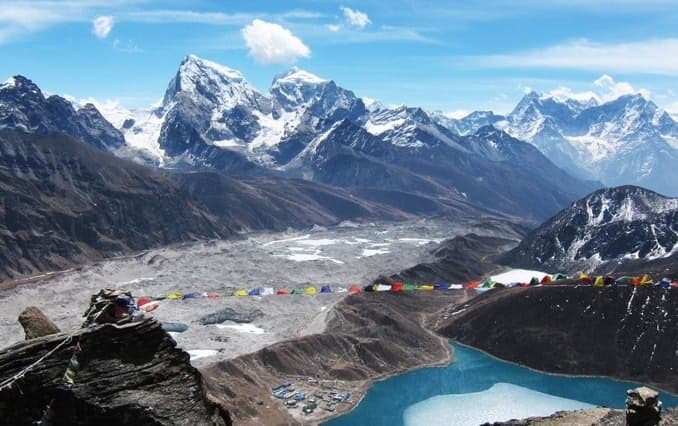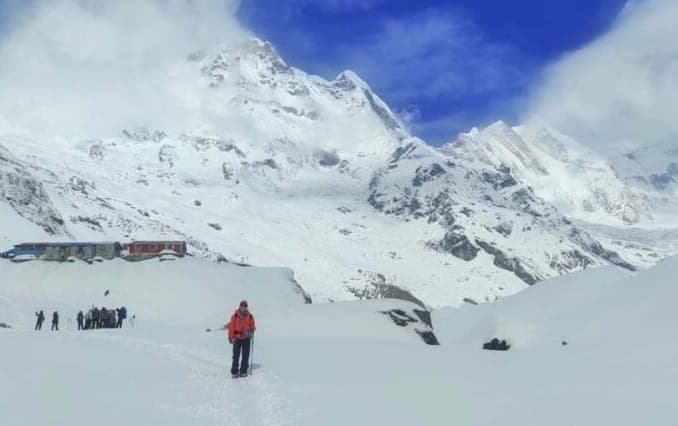
Holi Festival in Nepal in 2027 (2083 BS) is a nationwide Hindu celebration of color, devotion, and seasonal renewal observed across distinct geographic and cultural regions on two consecutive dates: March 21 in the hill and Himalayan areas, including the Kathmandu Valley, and March 22 in the Terai plains. Rooted in Hindu mythology and lunar tradition, the festival symbolizes the triumph of good over evil, devotion to Lord Vishnu, and the arrival of spring, while reflecting Nepal’s unique dual-calendar observance that separates regional celebration timings without diminishing its national unity.
Across Nepal, Holi functions as both a religious observance and a deeply social cultural event that brings together diverse communities through shared rituals of Holika Dahan, color throwing (abir and gulal), music, dance, and festive foods. From the structured public celebrations of Kathmandu Valley to the more immersive and devotional Holi traditions of the Terai cities, the festival blends regional identity with collective participation, making it one of Nepal’s most inclusive and widely experienced cultural celebrations while also shaping tourism, travel planning, and eco-conscious practices.
What Is the Holi Festival in Nepal?
Holi in Nepal is a Hindu spring festival celebrated annually on the full moon day of the Nepali month of Falgun (Phalguna Purnima). Known locally as Fagu Purnima or Phagu Purnima, the festival is observed across Nepal's hills, valleys, and plains with water guns (pichkari), dry colored powder (abir and gulal), bonfires, music, and traditional sweets.
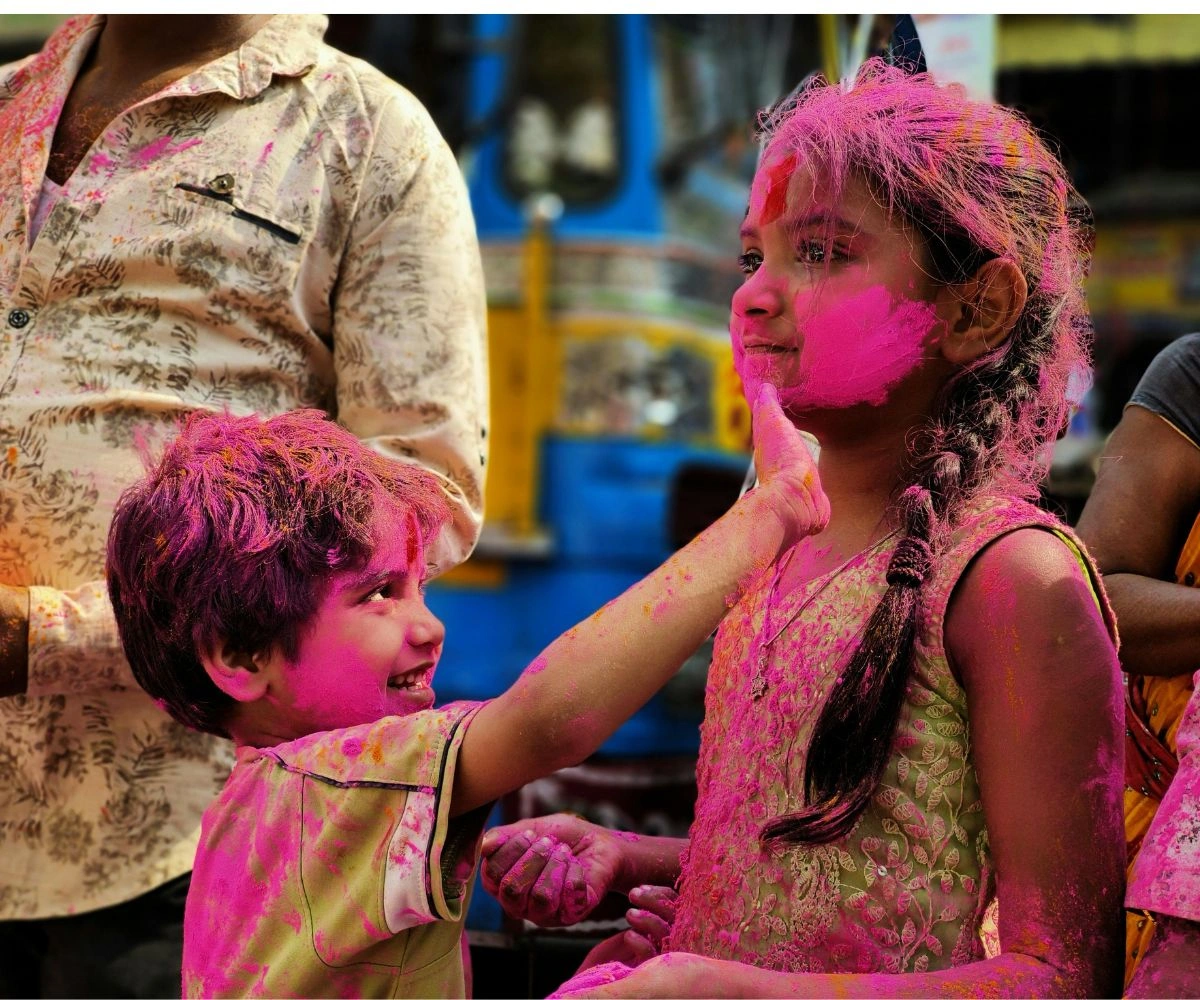
Nepal's Holi celebration carries 3 distinct layers of meaning: religious devotion, seasonal transition, and social bonding. The festival bridges caste, age, and economic divides for a single day, making it one of the most socially inclusive celebrations in the Nepali calendar.
Why Is Holi Celebrated Across Nepal?
Holi is celebrated across Nepal because the country holds a Hindu-majority population of approximately 81.3%, making Phalguna Purnima one of the most widely observed lunar festivals. The celebration extends across 77 districts, from Terai plains bordering India to mountain hill towns like Pokhara and Namche.
Nepal's geographic and ethnic diversity means the festival is not uniform. Communities celebrate with regional variations in date, ritual, food, and music, reflecting the country's cultural mosaic of Pahadi, Madhesi, Tharu, and Newar communities.
What Is the Religious Significance of Holi?
The religious significance of Holi is rooted in 3 primary Hindu narratives:
The story of Prahlad and Holika: Prahlad, a devoted follower of Lord Vishnu, survived the fire set by his demoness aunt Holika. Holika, who possessed a fire-resistant shawl, was instead burned. This event established the victory of devotion over evil.
The legend of Radha and Krishna: Lord Krishna, born with a dark complexion, playfully smeared colors on the fair-skinned Radha. This origin explains the tradition of throwing colored powder between friends and lovers.
The defeat of the demon Dhundhi: Believed to trouble children, the demon was driven away by noise, laughter, and celebrations. This explains why Holi is a day of joy and uninhibited play.
How Does Holi Reflect Nepali Culture and Traditions?
Holi reflects Nepali culture through 5 cultural expressions: communal celebrations across caste lines, gender-inclusive participation in public spaces, the use of indigenous natural pigments in rural areas, traditional Deuda and folk songs specific to regional communities, and the preparation of household sweets passed down through generations.
What most people overlook is that in Nepal, Holi is also an occasion for social reconciliation. Old conflicts between neighbors or family members are often set aside on this day, a cultural norm embedded in the spirit of mela (festive gathering).
When Will Holi Be Celebrated in Nepal in 2027/2083?
Holi will be celebrated in Nepal in 2027 on two separate dates: March 21, 2027 for the Kathmandu Valley and hill districts and March 22, 2027 (Falgun Purnima, 2083 BS) for the Terai region. The 1-day difference follows a centuries-old calendrical tradition rooted in regional lunar timing practices.
What Are the Official Holi Dates for Hill and Terai Regions?
The official Holi dates for 2027 in Nepal are as follows:
Region | Date | Nepali Calendar | Day |
Kathmandu Valley & Hills | March 21, 2027 | Chaitra 7, 2083 BS | Sunday |
Terai (Madhesh Province) | March 22, 2027 | Chaitra 8, 2083 BS | Monday |
The Government of Nepal declares both dates as public holidays, with government offices, schools, and major businesses remaining closed across the country.
Why Do Different Regions Celebrate Holi on Different Days?
Different regions celebrate Holi on different days because Nepal follows two distinct lunar calendrical traditions for this festival. The Terai region, which shares cultural and religious continuity with the Indian states of Bihar, Uttar Pradesh, and West Bengal, celebrates Holi on Phalguna Purnima, the exact full moon night. The Kathmandu Valley and hill regions follow the Chaturmukha tradition, celebrating one day later in alignment with the Newar and Hindu calendar system.
This difference is not a scheduling error. It reflects 2 separately codified festival timings recognized by the Government of Nepal's Guthi Sansthan and the Ministry of Home Affairs. Travelers planning a visit in 2027 gain a rare advantage, they experience Holi celebrations across 2 consecutive days.
What Time Do Holi Celebrations Usually Begin and End?
Holi celebrations in Nepal follow a structured 3-phase daily timeline:
Evening before (Holika Dahan): 6:00 PM – 9:00 PM, bonfires lit, rituals performed
Morning color play: 7:00 AM – 12:00 PM, peak street celebrations with water and color
Afternoon social gatherings: 12:00 PM – 5:00 PM, family visits, food, and music
The most intense color play occurs between 9:00 AM and 11:00 AM. By 2:00 PM, most public celebrations wind down. Evening hours shift to music, dance, and family meals.
How Is Holi Celebrated in Different Parts of Nepal?
Holi is celebrated differently across Nepal's 3 major geographic zones, the Terai plains, Kathmandu Valley, and the mid-hill towns, each with distinct community participation levels, color traditions, music styles, and public space usage patterns.
How Is Holi Celebrated in Kathmandu Valley?
Holi in Kathmandu Valley is celebrated with organized street events, large public gatherings, and a mix of traditional and contemporary elements. Basantapur Durbar Square serves as the central gathering point, where a ceremonial Chir pole (decorated bamboo pole) is erected 8 days before Holi and pulled down on the morning of Holi.
Key Kathmandu celebrations happen in 5 main areas: Basantapur Durbar Square, Thamel, Patan Durbar Square, Kalanki Chowk, and Kirtipur. Thamel draws a heavy international tourist crowd, mixing travelers and locals in water balloon fights and abir-covered dances.
What makes Kathmandu unique is the Newar community's parallel celebration, Seto Machhindranath Jatra coincides with Holi in some years, adding a distinct cultural layer unique to the valley.
What Makes Holi in the Terai Region Unique?
Holi in the Terai region is unique because it carries strong cross-border cultural continuity with northern India, producing celebrations that are louder, more immersive, and more ritualistic than hill-region events.
In cities like Birgunj, Janakpur, and Biratnagar, Holi is celebrated with:
Bhang (cannabis-infused drink) consumed as part of ritualistic custom
Dholak drum processions moving through neighborhoods from early morning
Massive water-cannon setups organized by local youth groups in open fields
Women-only morning celebrations in many communities before public festivities begin
Janakpur, as a sacred city tied to the legend of Goddess Sita, holds particular religious weight. Holi here carries Ram-Sita devotional significance, with temples decorated and devotional songs (bhajans) performed through the night before.
How Do Local Communities and Tourists Celebrate Together?
Local communities and tourists celebrate together primarily through open public spaces and community-run events in Thamel, Lakeside Pokhara, and Basantapur Durbar Square. Most locals welcome tourist participation as long as visitors respect 3 clear boundaries: asking before applying color to strangers, avoiding deserted alleys, and not carrying expensive unprotected equipment.
Tour operators in Kathmandu and Pokhara organize guided Holi experiences that include breakfast, color participation, traditional meals, and cultural briefings, providing tourists a structured entry point into the celebration without cultural missteps.
What Are the Main Traditions and Rituals of Holi in Nepal?
The main traditions and rituals of Holi in Nepal include 5 core practices: Holika Dahan (the ceremonial bonfire), abir-gulal color play, the Chir pole ceremony in Kathmandu, traditional folk music and dance, and the preparation and sharing of festival foods.
What Is the Meaning of Holika Dahan?
Holika Dahan is the ritual bonfire ceremony performed on the eve of Holi, symbolizing the destruction of the demoness Holika and the survival of devotion over evil. The fire is lit using dry wood, cow dung cakes, and holika effigy materials at designated community grounds called chowks or chaupals.
In Nepal, Holika Dahan carries dual purification symbolism: the fire is believed to destroy past negativities and purify the community before the spring season. Families gather, offer mustard seeds to the fire, and circle the pyre 3 times in a clockwise direction as an act of pradakshina (sacred circumambulation).
Why Do People Throw Colors and Water During Holi?
People throw colors and water during Holi because the tradition directly reenacts Lord Krishna's playful color application on Radha, an act that over centuries evolved into communal color play across all participating communities.
The colors carry 4 layers of meaning:
Red represents love, fertility, and new beginnings
Yellow (turmeric-based) symbolizes health and purity
Green marks the arrival of spring vegetation
Blue references Krishna's divine complexion
Water symbolizes cleansing and renewal. The combination of color and water transforms strangers into equals for a single day, a rare social leveler in a society with distinct hierarchical structures.
What Traditional Music and Dance Are Performed During Holi?
Traditional music and dance performed during Holi in Nepal include 4 main forms: Deuda songs in far-western hills, Damphu drum performances in Tamang communities, Dholak-based Madhesi folk music in the Terai, and Jhyālincha drum-led Newar processions in the Kathmandu Valley.
Contemporary celebrations now blend these traditional forms with Bollywood music, DJ setups, and Nepali pop, particularly in urban areas. In Kathmandu's Thamel, outdoor stages host live music from 10:00 AM onward on Holi day.
9-Day Holi Festival & Nepal Sightseeing Tour Itinerary (March 19–27, 2027)
This 9-day Holi festival itinerary spans 4 destinations: Kathmandu, Chitwan, Pokhara, and Nagarkot, from March 19 to 27, 2027. The tour covers 2 consecutive Holi celebrations: March 21 in Kathmandu's Basantapur Durbar Square and March 22 in Chitwan's Terai region. Travelers visit 5 UNESCO-listed heritage sites, including Boudhanath Stupa, Bhaktapur Durbar Square, and Patan Durbar Square, alongside Chitwan National Park wildlife activities. 2 mountain sunrise viewpoints, Sarangkot at 1,600 meters and Nagarkot, complete this structured Nepal Holi tour package for 2027.
Day 01/March 19: Arrival in Kathmandu
Nepal Intrepid Treks will be your dedicated travel companion until you return to your home country. Once you arrive at Kathmandu airport, we will be there to pick you up and take you to your hotel. Accommodation for our valued customers includes room and breakfast in a three-star hotel in Kathmandu.
Take in the impressions of Nepal as we drive you from the airport to your hotel. We will assist you with the check-in and provide you with further information regarding your trip. You may then have a rest or stroll through the bustling, colorful streets and alleys of Kathmandu.
Spend your night at a hotel in Kathmandu.
Day 02/March 20: Kathmandu Sightseeing (UNESCO Heritage Sites)
Your guide will pick you up from your hotel and escort you to the UNESCO listed heritage sites in Kathmandu for a guided tour. Our site of visit for today includes:
Kathmandu Durbar Square: It is an ancient artistic and grand palace built by Malla kings in the medieval period. It lies in the heart of Kathmandu and remains busy most of the time. The art, architecture, craftworks and designs manifested in the pillars, buildings and windows of the palace are magnificent. The palace is surrounding by many small temples which gives it an alluring look.
Swayambhunath Stupa: It is one of the oldest Buddhist Stupa in Kathmandu Valley. It lies on a top of a hill and is a perfect vantage point to see the whole Kathmandu valley. As the stupa has many monkeys, the stupa is also popularly known as the Monkey Temple.
Boudhanath Stupa: It is one of the world's largest spherical stupas, located 8km east of downtown Kathmandu, Nepal. Listed as a UNESCO World Heritage Site in 1979, it is a focal point of Tibetan Buddhism adorned with the iconic "all-seeing" Buddha eyes. The site is a major pilgrimage hub built around the 14th century, symbolizing the mandala and the path to enlightenment.
Spend your night at a hotel in Kathmandu.
Day 03/March 21: Holi Festival 2027 in Kathmandu (March 21)
Today is the day of vibrant Festival of Colors which is called “Holy Festival”. In 2027, Holi in the hilly region (Kathmandu) falls on March 21. We can join with locals and tourists in Thamel & Basantapur Durbar Square, playing with colorful powders, enjoying music, and experiencing the joyful atmosphere of the "Festival of Colors"
Spend your night at a hotel in Kathmandu.
Day 04/March 22: Fly to Chitwan and Explore Chitwan National Park
A short, scenic flight takes you from the hills to the southern plains (Terai). Upon arrival, we take a short briefing about the tour program. Today we will celebrate "Holi Festival" in Chitwan as well with another place to enjoy and get the experience of this festival in Nepal. In the late afternoon we stroll around the ethnic Tharu villages nearby the area. We also visit the visitor’s centre at the national park. We walk up to the bank of the Rapt River for the mesmerizing sun set view.
Spend your night at a hotel in Chitwan.
Day 05/ March 23: Explore Day of Chitwan National Park
Today is an exciting day where you will be close to the wildlife in its natural habitat. Your schedule for the day is as follows:
6:00 a.m. Wake up early in the morning and get ready for the safari today.
6:30 a.m. Breakfast time! Make yourself energetic with a delicious breakfast.
7:30 a.m. You can enjoy your time with a canoe ride along Rapti river. You can also walk around the jungle area enjoying the peacefulness of the dense forest. The birds chirping, leaves dancing and the wild sound in the quiet environment can be an amazing experience.
1:30 p.m. After exploring the jungle and enjoying canoe ride, enjoy your lunch and get ready for the jungle safari next.
15:00 p.m. After lunch and rest for a while, ride on an elephant’s back as it walks between the dense forests. Encounter wild animals like rhesus monkey, wild cats, boar, jackals, grey langur, mongoose, snakes, sloth, etc. Chitwan National Park is a delightful place to watch varieties of migrant birds. You can take good pictures and enjoy the ride as you immerse inside the deep jungle.
Spend your night at a hotel in Chitwan.
Day 06/March 24: Visit Elephant Breeding centre and fly to Pokhara
Wake up and enjoy your breakfast. Visit the elephant breeding centre at the national park and get amused by the little ones of an elephant. After visiting the breeding centre, walk around the jungle and pack your bags for your journey to the Pokhara.
Today, we take a flight to Pokhara with beautiful scenery of Himalayas, hills, terranes, rivers, forests and many settlements. we reach the lakeside city – Pokhara. We stop at a hotel in Pokhara. After check in hotel, we journey to Pokhara for a sightseeing tour. We visit a temple in between the Fewa Lake and enjoy boating. We visit David’s falls, Gupteshwor temple and World Peace Pagoda.
Spend your night at a hotel in Pokhara.
Day 07/March 25: Sarangkot Sunrise, Fly to Kathmandu, Bhaktapur Sightseeing and Drive to Nagarkot
An early morning drive to Sarangkot for a spectacular sunrise over the Annapurna and Dhaulagiri mountain ranges.
Sarangkot is a premier 1,600-meter hilltop viewpoint near Pokhara, Nepal, renowned for breathtaking panoramic sunrises over the Annapurna, Dhaulagiri, and Machhapuchhre (Fishtail) ranges. We can see the golden rays illuminate the snow-capped peaks and the Pokhara Valley below, making it a "must-do" experience in Nepal. After back to hotel take breakfast and flight back to Kathmandu.
After arriving in Kathmandu, we will head to Bhaktapur for sightseeing. Bhaktapur Durbar Square: It is a UNESCO World Heritage Site in the Kathmandu Valley, renowned as a "living museum" of medieval art, architecture, and Newari culture. Formerly the royal palace complex of the Malla Dynasty (13th–18th century), it features intricate woodcarvings, temples, and the famous 55-Window Palace.
After finish sightseeing, we drive to Nagarkot for an overnight stay with panoramic Himalayan views.
Spend your night at a hotel in Nagarkot.
Day 08/March 26: Nagrakot sunrise and Patan Sightseeing, stay in Kathmandu city
Enjoy a stunning sunrise over the Himalayas from your hotel in Nagarkot. Nagarkot is a popular vantage point and hill station for endeavouring the beauty of towering mountains in the environment. After beholding the beauty of the mountains. From Nagarkot, we drive towards Patan Durbar Square, the City of Fine Arts, to explore its unique pagoda temples and traditional crafts.
Patan Durbar Square which is also amongst the UNESCO listed heritage sites. The art and culture are manifested in the palace in the same way as in Kathmandu and Bhaktapur Durbar Square. We visit the Bangalamukhi temple, Krishna Mandir and visit the museum inside the pre-booked square. After exploring the durbar square, we return to Kathmandu to our hotel for overnight stay.
Spend your night at a hotel in Kathmandu.
Day 09/March 27: Kathmandu Sightseeing & Farewell
Today we will visit Kopan Monastery or some other place in our guest’s request. Kopan Monastery is a vibrant Tibetan Buddhist centre located on a hilltop just north of Boudhanath in the Kathmandu Valley of Nepal. Established in the late 1960s by Lama Thubten Yeshe and Lama Zopa Rinpoche, it serves as the headquarters for the Foundation for the Preservation of the Mahayana Tradition (FPMT).
The monastery belongs to the Gelugpa (Yellow Hat) lineage of Tibetan Buddhism. It is home to hundreds of monks and nuns who follow a deeply disciplined schedule of study, meditation, and ritual. The institution is highly renowned globally for offering structured meditation and philosophical courses to foreign students. Visitors can explore the serene gardens, spin the golden prayer wheels, and take in panoramic views of the Kathmandu Valley.
In the evening we will have farewell dinner and go to airport for international departure. After wonderful trip, it’s finally time to bid you a goodbye. You will be escorted to the airport for your journey ahead! But we hope to serve you and your friends once again. We look forward to your suggestions if any!
What Foods and Drinks Are Popular During Holi in Nepal?
Foods and drinks popular during Holi in Nepal span traditional sweets, fried snacks, festive beverages, and seasonal ingredients that vary by region. The Terai prepares richer, milk-based sweets influenced by the Madhesi culinary tradition, while hill communities favor grain-based preparations.
What Traditional Nepali Sweets Are Prepared for Holi?
Traditional Nepali sweets prepared for Holi include 6 common items:
Gujiya: deep-fried crescent pastry filled with khoya (reduced milk), coconut, and dried fruits; prepared primarily in Terai households
Malpuwa: thick, sweet pancakes fried in ghee and dipped in sugar syrup
Sel Roti: ring-shaped rice-flour doughnuts traditionally prepared for multiple Nepali festivals
Puranpoli: flatbread stuffed with lentil and jaggery filling, common in Madhesi communities
Thekuwa: wheat flour cookies sweetened with jaggery, a Terai specialty
Kheer: rice pudding cooked with full-fat milk, saffron, and cardamom, served at family gatherings
Most of these sweets are prepared 2–3 days before Holi because the preparation is labor-intensive. In hill communities, sel roti batches are made in the early hours of Holi morning.
What Festive Drinks Are Common During Holi Celebrations?
Festive drinks common during Holi in Nepal include thandai, bhang, local raksi, and lassi, with significant regional variation in what is socially accepted and consumed.
Thandai is a chilled milk drink blended with almonds, fennel seeds, cardamom, rose water, and saffron, the most widely prepared Holi drink in hill and Terai households
Bhang (thandai infused with cannabis paste) is consumed in the Terai region as part of a centuries-old ritual linked to Shaivite tradition; it remains a legal and culturally accepted practice during Holi in Nepal
Lassi (yogurt-based drink) flavored with sugar or salt is served at community gatherings
Local raksi (grain-distilled alcohol) is consumed in hill communities during afternoon social visits
Tourists unfamiliar with bhang's potency consistently report the most common Holi mistake: accepting bhang-infused thandai without asking about its contents. Always confirm whether a drink contains bhang before consuming, especially when offered by hosts in the Terai.
What Should Tourists Know Before Celebrating Holi in Nepal?
Tourists celebrating Holi in Nepal face 4 preparation challenges: clothing choices, electronics protection, personal safety, and color health considerations. Addressing all 4 before the festival day eliminates the most common regrets reported by visitors.
What Should You Wear During Holi Festival?
Wear old, white or light-colored clothing that you do not mind permanently staining. White clothing displays colors most vividly and is the traditional choice across Nepal and India. Wear closed-toe shoes or waterproof sandals, open flip-flops get immediately drenched and slippery.
Avoid wearing:
Expensive or irreplaceable clothing
Synthetic fabrics that trap wet color and irritate skin
Contact lenses (colored powder and water cause severe eye irritation)
Valuable jewelry that can be damaged or lost in crowd movement
How Can You Protect Your Phone, Skin, and Eyes From Colors?
Protect your phone, skin, and eyes using 4 specific precautions:
Phone: Use a waterproof case or a sealed ziplock bag. Dry bags rated IPX8 provide the strongest protection against sustained water exposure during street celebrations.
Skin: Apply a thick layer of coconut oil or mustard oil to all exposed skin 30 minutes before going out. The oil creates a barrier that makes color removal significantly easier.
Eyes: Wear UV-protective wraparound sunglasses. Industrial safety glasses provide maximum coverage against powder thrown at close range.
Hair: Oil your scalp and hair thoroughly before stepping out. Commercial Holi colors often contain industrial dyes that can stain hair and scalp for 3–7 days without this protection.
Eco-friendly, herbal colors made from turmeric, rose, and marigold are available at markets in Kathmandu and Pokhara for approximately NPR 50–150 per packet. These are dermatologically safer than synthetic colors.
What Safety Tips Should Travelers Follow During Holi?
Travelers follow 6 safety practices during Holi in Nepal:
Stay in groups: crowded public celebrations in Thamel and Basantapur attract pickpockets; carry minimal cash and no visible valuables
Identify a safe retreat point: know the address of your hotel and a nearby landmark before entering crowded areas
Carry a small dry bag: store your ID, emergency cash, and phone sealed inside
Respect consent boundaries: do not apply color to anyone who signals refusal; tourist women report that traveling in groups with male companions significantly reduces unwanted color-throwing incidents
Stay hydrated: celebrations run through midday heat in late March; carry at least 1 liter of water
Book transportation in advance: taxis become scarce after 11:00 AM on Holi day in Kathmandu
Where Are the Best Places to Celebrate Holi in Nepal?
The best places to celebrate Holi in Nepal are Kathmandu (Basantapur and Thamel), Pokhara (Lakeside), and Terai cities (Birgunj, Janakpur, and Biratnagar), each offering a distinctly different experience in scale, tradition depth, and tourist accessibility.
Why Is Kathmandu a Popular Destination for Holi?
Kathmandu is a popular Holi destination because it offers the unique Chir pole ceremony at Basantapur Durbar Square, a UNESCO World Heritage Site, alongside easy tourist infrastructure in Thamel. The 8-day Chir pole installation, a decorated bamboo pole with colorful cloth strips representing community offerings, is a uniquely Nepali Holi tradition not observed elsewhere.
Kathmandu also concentrates the widest range of Holi experiences within a compact geographic area: from the traditional Newar neighborhood celebrations in Kirtipur and Bhaktapur to international crowd gatherings in Thamel.
What Makes Pokhara a Great Place for Holi Celebrations?
Pokhara makes a great Holi destination because Lakeside (Baidam) transforms into one of Nepal's most relaxed and visually stunning Holi venues, with celebrations set against the backdrop of Phewa Lake and the Annapurna range.
Pokhara's Holi draws a mix of domestic tourists, trekkers transiting between routes, and local Gurung and Brahmin communities. The celebrations are less intense than Kathmandu, fewer water balloons, more music, and a slower, friendlier atmosphere that first-time visitors consistently rate as more manageable.
Which Terai Cities Offer Traditional Holi Experiences?
Terai cities offering the most traditional Holi experiences are Janakpur, Birgunj, and Biratnagar, ranked by depth of cultural and religious significance.
Janakpur holds the most spiritually immersive Holi due to its Sita-Ram temple connection; the Ram-Janaki Mandir hosts devotional Holi ceremonies attended by thousands
Birgunj runs one of Nepal's largest public Holi events with organized open-field celebrations near the Indo-Nepal border area
Biratnagar holds strong Maithili community celebrations featuring Maithili folk songs (vidyapati kirtan) performed overnight before Holi day
How Can You Travel Around Nepal During Holi Festival?
Traveling around Nepal during Holi requires advance planning across 3 key transportation categories: intercity buses, domestic flights, and local taxis, all of which experience significant demand spikes in the 3 days surrounding Holi.
What Transportation Challenges Can Occur During Holi?
Transportation challenges during Holi in Nepal fall into 4 common categories:
Intercity bus scarcity: buses from Kathmandu to Pokhara, Chitwan, and Terai cities sell out 5–7 days before Holi; Tourist buses through Greenline, Sita Ram, and public Sajha buses operate on reduced schedules
Taxi unavailability in Kathmandu; most private vehicles avoid roads on Holi day due to water and color; taxi availability drops by approximately 60–70% between 9:00 AM and 2:00 PM
Flight demand surges: domestic routes from Kathmandu to Pokhara (Buddha Air, Yeti Airlines, Shree Airlines) reach full capacity 4–6 days ahead; prices increase by 30–50% during peak Holi travel dates
Roads near Durbar Squares become pedestrian-only: Basantapur and surrounding areas are closed to vehicles from 7:00 AM on Holi day
How Early Should You Book Hotels and Transportation?
Book hotels and transportation at minimum 3–4 weeks before Holi for Kathmandu and Pokhara, and 5–6 weeks in advance for Terai cities like Janakpur and Birgunj, which have fewer quality accommodation options and fill earlier.
Budget guesthouses in Thamel book within 2 weeks of Holi. Mid-range hotels (3-star, NPR 3,000–6,000/night) fill within 3 weeks. Luxury properties in Kathmandu (Hotel Yak and Yeti, Dwarika's, Hyatt Regency) accept Holi-period bookings months in advance and rarely offer last-minute availability.
For Holi 2027 (March 21–22), the ideal booking window opens in early February 2027.
What Are the Environmental and Social Impacts of Holi in Nepal?
Holi in Nepal produces 3 measurable environmental concerns: synthetic color contamination of water sources, plastic water balloon litter in urban areas, and short-term air quality reduction from Holika Dahan fires in densely populated neighborhoods.
How Can People Celebrate Eco-Friendly Holi?
People celebrate eco-friendly Holi through 5 practical substitutions:
Use herbal colors made from turmeric (yellow), marigold flowers (orange), spinach (green), and beets (pink), available at organic stores in Kathmandu's Jhamsikhel and Boudha neighborhoods
Replace plastic water balloons with reusable water guns (pichkari) and clay pots
Use dry color play only in water-scarce communities, particularly in hill areas where water supply is limited before monsoon
Dispose of color-stained water in soil areas rather than drains connected to rivers and Bagmati tributaries
Use biodegradable packaging for color powder and choose brands that certify natural ingredient sourcing
The Government of Nepal and municipal offices in Kathmandu, Lalitpur, and Pokhara distribute eco-friendly color packets at subsidized prices before Holi. Quantities are limited.
What Rules or Guidelines Should Visitors Follow During Holi?
Visitors follow 6 official and cultural guidelines during Holi in Nepal:
Do not throw water or color at people who have not consented, including passersby, police officers, monks, and individuals wearing plain white tika clothing indicating religious observance
Do not enter temples with colored hands or clothing, most temples close their inner sanctums on Holi day but visitors must maintain respect near religious structures
Do not consume bhang or alcohol in public spaces without understanding local legal context; public intoxication is subject to Nepal Police enforcement
Respect the Chir pole site at Basantapur as a ceremonial space, do not damage the pole installation or interfere with Guthi rituals
Use designated waste bins for color packets and water balloon waste
Follow municipality-specific noise ordinances after 10:00 PM on the eve of Holi
How Should You Plan Your Holi Festival Experience in Nepal?
Plan your Holi festival experience in Nepal by building a 3-part itinerary: arrive 2–3 days before Holi to explore pre-festival markets and the Chir pole ceremony, participate in Holi day celebrations across your chosen city, and allocate 1 day after Holi for recovery, laundry, and post-festival cultural visits to temples.
The 4-day Holi itinerary that experienced travelers use:
Day 1 (March 18–19): Arrive in Kathmandu, explore Thamel, buy eco-friendly colors and protective supplies
Day 2 (March 20): Visit Basantapur for the Chir pole ceremony, explore Pashupatinath for pre-Holi rituals, attend Holika Dahan bonfire at a local community ground
Day 3 (March 21): Full Holi celebration day in Kathmandu, Basantapur morning, Thamel midday, local neighborhood afternoon
Day 4 (March 22): Travel to Terai for Terai Holi
Can Local Travel or Tour Services Help You Enjoy Holi in Nepal?
Local travel and tour services provide structured Holi experiences that eliminate 3 common tourist pain points: cultural missteps, transportation gaps, and missing key events due to timing errors.
Reputable Nepal-based tour operators offer Holi-specific packages that include airport transfers, hotel booking during peak period, guided color play in local neighborhoods, traditional Holi meal experiences, and morning Holika Dahan visits. These packages range from NPR 8,000–25,000 per person (approximately USD 60–185) depending on accommodation standard and number of activities included.
For budget travelers, community-run cultural programs organized by local youth clubs (Yuwa Clubs) in Kathmandu and Pokhara offer participation for free or minimal voluntary contribution.
What Are the Key Takeaways About Holi Festival in Nepal in 2027/2083?
Holi Festival in Nepal in 2027 (2083 BS) delivers a culturally layered, regionally diverse, and highly participatory festival experience across 2 consecutive days, March 21 for Kathmandu and hill districts and March 22 for Terai.
The 7 key facts every visitor and local participant carries into Holi 2027:
Two official dates: Kathmandu/Hills celebrates on March 21; Terai celebrate on March 22
Holika Dahan occurs on the evening before each region's main celebration
Basantapur Durbar Square hosts the exclusive Chir pole ceremony, a uniquely Nepali Holi tradition
Janakpur and Birgunj offer the most immersive traditional Terai Holi experiences
Eco-friendly colors are available across Kathmandu markets and reduce skin and environmental harm
Hotel and transport bookings fill 3–6 weeks before Holi, February 2027 is the ideal booking window
Bhang in thandai is culturally accepted in the Terai but must be confirmed before consuming
Holi in Nepal is not a spectator festival. The celebration draws meaning from participation, from hands dusted in yellow abir, the smell of mustard oil on skin, the sound of dholak echoing through narrow lanes at dawn, and the shared warmth of sel roti passed between neighbors. In 2027, Nepal's Holi offers that experience across two full days, in some of Asia's most historically rich festival spaces.