The Everest Base Camp trek cost in 2026 ranges from US$1,200 for budget packages to US$7,500 for luxury itineraries. Most trekkers spend US$1,500 to US$3,000 on a guided trekking package, while the total budget typically reaches US$2,100 to US$3,650 per person before international airfare. The final cost depends on group size, trekking season, Lukla flights, accommodation, meals, permits, and the level of guide and porter support.
Planning an accurate Everest Base Camp trek budget requires accounting for more than the package price. Travel insurance with high-altitude helicopter evacuation, trekking equipment, tips, drinking water, trail expenses, and flight delays can increase your total spending. This guide breaks down the major trekking costs, compares budget, standard, and luxury packages, and explains how to save money without compromising safety, acclimatization, or the quality of your Himalayan trekking experience.
How Much Does the Everest Base Camp Trek Cost in 2026?
A guided Everest Base Camp trek costs US$1,500 to US$3,000 per person for the Nepal-side package in 2026, and US$2,100 to US$3,650 once visa, insurance, tips, and trail extras join the bill. International airfare to Kathmandu sits on top of both figures.
In real-world use, the gap between the package price and the final spend is the number first-timers miss. A package page shows a headline price. The extras live in the exclusions list. Trekkers who budget only the headline price meet a shortfall of US$600 to US$1,150 on the trail and in Kathmandu.
The table below shows a sample 2026 budget for one trekker on a standard guided 14 to 16 day itinerary, with Lukla flights included in the package price.
Budget line | Low (US$) | High (US$) |
Standard guided package (flights, guide, porter share, permits, lodging, trail meals) | 1,500 | 2,500 |
Nepal visa, 30 days | 50 | 50 |
Travel insurance with 6,000 m and helicopter cover | 120 | 250 |
Tips for guide and porter | 150 | 250 |
Trail extras (Wi-Fi, charging, showers, water, snacks, laundry) | 150 | 300 |
Kathmandu lunches and dinners | 80 | 150 |
Gear rental or purchase | 50 | 150 |
Total before international airfare | 2,100 | 3,650 |
The six lines outside the package add US$600 to US$1,150. Add a delay reserve of US$200 to US$400 and the working budget reaches US$2,300 to US$4,050.
What Is the Average Cost of the Everest Base Camp Trek?
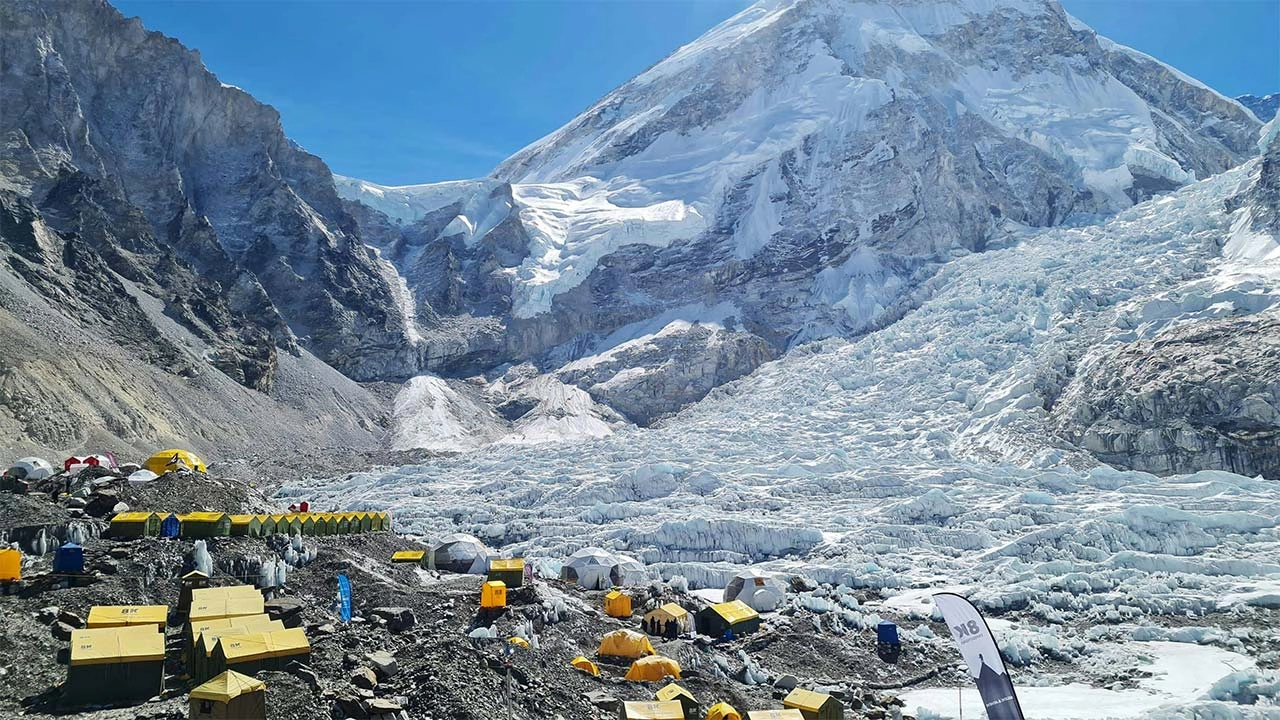
The average Everest Base Camp trek cost is about US$2,350 per person, which sits in the US$1,700 to US$3,000 band that most 14 to 16 day itineraries occupy. Budget departures start near US$1,200, while premium lodge itineraries reach US$3,800.
Cost per day gives a cleaner comparison than the sticker price. A 14 day package at US$1,700 works out to US$121 per day. A 16 day private package at US$1,485 works out to US$93 per day. The longer trek costs less per day because acclimatization days add lodging and staff wages but no extra transport.
Independent trekkers spend less on paper. Nepal-based operators put a lean independent trek at US$900 to US$1,500 in 2026. That figure assumes no guide, no porter, rented gear, and purified water. The savings are real. So is the trade-off in safety margin and flexibility when a Lukla flight slips by two days.
What Factors Affect the Everest Base Camp Trek Cost?
Eight factors move the Everest Base Camp trek cost, and each one has a measurable effect:
Group size: a solo trekker pays a single supplement, while 2 to 4 trekkers split guide wages and vehicles.
Season: autumn and spring command peak demand, while winter and monsoon departures price lower.
Itinerary length: each extra trail day adds about US$65 to US$95 per trekker when two people share a guide and a porter.
Lodging standard: standard teahouse rooms cost US$5 to US$18 a night, and luxury lodges cost US$150 to US$260 per room.
Flight routing: Ramechhap fares run US$60 to US$80 per leg below Kathmandu fares, plus a US$15 to US$30 road transfer.
Support level: a guide alone costs less than a guide plus a porter, and a personal Sherpa guide costs more again.
Inclusions: meals, permits, and hotel nights either sit inside the price or sit on your cash list.
Exchange rate: teahouse menus price in rupees, so a weaker rupee lowers your dollar spend on the trail.
What most people overlook is the inclusions line. Two quotes of US$1,500 and US$1,900 can describe the same trek when the cheaper quote leaves out the Kathmandu hotel, the trail meals, or the Lukla flight. Compare quotes line by line, not headline against headline.
How Much Does an Everest Base Camp Trek Package Cost?
An Everest Base Camp trek package costs US$1,200 to US$1,600 for budget group departures, US$1,500 to US$3,000 for standard guided itineraries, and US$4,000 to US$7,500 for luxury itineraries, based on 2026 listings for 12 to 16 day treks.
The cost floor sits near US$1,200 for a guided package that includes flights. A quote of US$400 to US$800 is usually an unbundled rate that covers only staff or lodging, or leaves out return transport. Seeing US$800 to US$1,200 signals a removed component. The removed component is usually the guide, the porter, or the flight.
A package prices a bundle at group rates. The bundle reduces the number of payments you make in Kathmandu, but it does not erase costs. Read what the bundle holds.
What Is Included in an Everest Base Camp Trek Package?
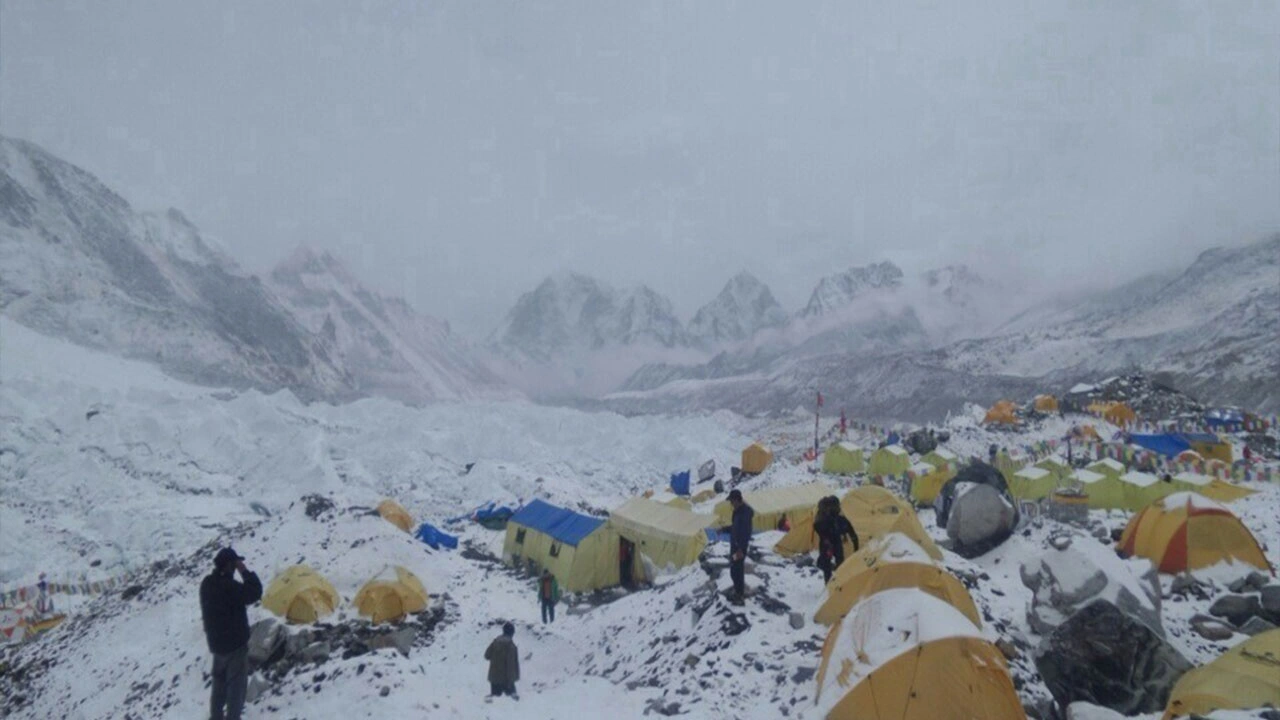
An Everest Base Camp trek package includes the Lukla flights, a licensed guide, porter support, permits, teahouse lodging, trail meals, and Kathmandu transfers and hotel nights, though the exact bundle differs by operator.
A complete standard inclusions list holds 8 items:
Transfers: private airport pickup and drop-off in Kathmandu
Hotel nights: 3-star rooms in Kathmandu on a bed-and-breakfast basis, usually 3 to 4 nights
Flights: round-trip Kathmandu or Ramechhap to Lukla, with departure taxes
Permits: Sagarmatha National Park entry and Khumbu Pasang Lhamu entry
Guide: a licensed, English-speaking guide for the whole trail
Porter: one porter for every two trekkers
Lodging: twin-sharing teahouse rooms from Phakding to Gorak Shep
Meals: breakfast, lunch, and dinner with tea on the trail
Stronger packages also loan a sleeping bag and a down jacket, cover staff food and insurance, and supply a duffle bag. Check those three items. They show how an operator treats its crew and how much gear you must carry from home.
What Is Excluded From the Everest Base Camp Trek Package?
An Everest Base Camp trek package excludes international airfare, the Nepal visa, travel insurance, Kathmandu lunches and dinners, drinks, personal expenses, tips, and costs caused by events outside the operator's control, such as flight cancellations and landslides.
According to the Embassy of Nepal fee schedule, tourist visas cost US$30 for 15 days, US$50 for 30 days, and US$125 for 90 days. A 16 day trek requires the 30-day visa at US$50.
The exclusions carry these typical 2026 prices:
Insurance: US$120 to US$300 for a policy with 6,000 m and helicopter cover
Kathmandu meals: US$80 to US$150 for lunches and dinners across 3 to 4 nights
Drinks: bottled water at US$1 to US$4 per litre, and boiled water at NPR 160 to 350 per litre
Connectivity: Wi-Fi at NPR 200 to 600 per day and charging at NPR 100 to 700 per device
Tips: US$150 to US$250 for a guide and a shared porter
Disruption: extra hotel nights, rebooked flights, and any rescue cost
Disruption costs deserve special attention. Packages that exclude flight cancellations leave the extra nights with the trekker, which turns the reserve in this guide into a budget line instead of an option.
How Do Budget, Standard, and Luxury Everest Base Camp Trek Packages Compare?
Budget packages trade comfort for price, standard packages bundle most trail costs into one fee, and luxury packages add premium lodges and optional helicopter returns, with the three tiers spanning US$1,200 to US$7,500 per person.
The table below compares the three 2026 tiers by price, lodging, support, and best fit.
Tier | Price per person | Lodging | Support | Best fit |
Budget | US$1,200 to US$1,600 | Basic twin teahouses, simple Kathmandu hotel | Guide, porter shared by 2, fixed group departure | Fit trekkers who bring their own gear |
Standard | US$1,500 to US$3,000 | Best available twin lodges, 3-star Kathmandu hotel | Private or small group, guide, porter share, loaned gear | First-time trekkers who want one all-in price |
Luxury | US$4,000 to US$7,500 | Premium lodges in Lukla, Phakding, and Namche at US$150 to US$260 per room per night | Dedicated guide, porters, optional helicopter return at US$800 to US$1,200 shared | Travelers who prioritize comfort and recovery |
Standard sits in the wide middle. Most price differences inside that band come from group size, season, and Kathmandu hotel class, not from the trail itself. Above 4,000 m even luxury itineraries sleep in the same lodges as everyone else. The premium buys comfort in the lower valley and a faster way out.
How Much Do Everest Base Camp Trek Permits Cost?
Everest Base Camp trek permits cost about NPR 6,390 (US$47) per person in 2026: a Sagarmatha National Park entry permit at NPR 3,000 plus 13% VAT, and a Khumbu Pasang Lhamu Rural Municipality permit at NPR 3,000.
Which Permits Are Required for the Everest Base Camp Trek?
Two permits are required for the Everest Base Camp trek: the Sagarmatha National Park entry permit and the Khumbu Pasang Lhamu Rural Municipality permit. The TIMS card no longer applies to the Khumbu route, because the municipal permit replaced it.
The two permits are issued by different bodies and sold in different places. The park permit comes from the Nepal Tourism Board office in Kathmandu or the park gate at Monjo. The municipal permit comes from the Lukla checkpoint or Monjo, and Kathmandu offices do not sell it. Checkpoints along the trail inspect both.
The municipal fee rose from NPR 2,000 to NPR 3,000 in recent seasons. Sources date the change to 2024 or 2025, which explains why some guides still quote US$15 or US$20 for it. Operators buy both permits as part of a package. Independent trekkers pay in rupees, so carry small notes at Monjo.
How Much Do Sagarmatha National Park and Local Entry Permits Cost?
The Sagarmatha National Park permit costs NPR 3,000 plus 13% VAT (about US$25), and the Khumbu municipal permit costs NPR 3,000 (about US$22), for a combined NPR 6,390 (about US$47).
The table below lists both 2026 permit fees by traveler category.
Permit | Foreign nationals | SAARC nationals | Where to buy |
Sagarmatha National Park entry | NPR 3,000 plus 13% VAT (NPR 3,390) | NPR 1,500 | Kathmandu or Monjo gate |
Khumbu Pasang Lhamu Rural Municipality | NPR 3,000 | NPR 2,000 | Lukla or Monjo |
Combined | NPR 6,390 (about US$47) | NPR 3,500 plus VAT |
Children under 10 enter the park free. Some operators quote a total near US$50 to US$57 because they add processing and handling fees. Ask whether the permit line is at cost or includes a service charge.
How Much Do Flights to Lukla Cost for the Everest Base Camp Trek?
A one-way Lukla flight costs US$175 to US$210 from Ramechhap (Manthali) and US$230 to US$290 from Kathmandu for foreign trekkers in 2026, so a round trip runs US$350 to US$580 before excess baggage fees.
The flight is the largest single cost inside any package. It is also the one most exposed to weather. Lukla's short mountain runway operates in clear morning windows, and that fact drives both the fare structure and the delay budget covered below.
How Much Do Kathmandu and Ramechhap Flights to Lukla Cost?
Kathmandu-to-Lukla flights cost US$230 to US$290 one way, and Ramechhap-to-Lukla flights cost US$175 to US$210 one way, with Ramechhap serving most departures during the April to mid-May and October to mid-November peaks.
Flights depart between 6:00 and 10:30 AM. Ramechhap sits 4 to 5 hours by road from Kathmandu, so trekkers leave the capital between 1:00 and 2:00 AM or sleep near the airport in a room that costs US$30 to US$60. A shared road transfer costs US$15 to US$30. The Ramechhap flight itself lasts 15 to 20 minutes. The Kathmandu flight lasts 30 to 35 minutes.
The table below compares four 2026 ways to reach Lukla.
Option | One-way cost (US$) | Flight time | Typical use |
Kathmandu to Lukla, fixed-wing | 230 to 290 | 30 to 35 minutes | Off-peak months and flights outside Ramechhap windows |
Ramechhap to Lukla, fixed-wing | 175 to 210, plus 15 to 30 for the road transfer | 15 to 20 minutes | Most peak-season departures |
Shared helicopter, Kathmandu to Lukla | 500 to 700 | About 45 minutes | Delay recovery and tight schedules |
Private helicopter charter | 2,500 to 3,000 per charter, up to 5 passengers | 45 to 50 minutes | Families and private groups |
Baggage allowance is 10 kg checked plus 3 to 4 kg of hand luggage, with excess at about US$1 per kg. A duffle packed for a porter fits that limit only when you rent bulky items in Kathmandu instead of flying with them.
How Do Flight Delays and Alternative Transportation Affect the EBC Trek Budget?
Flight delays add US$80 to US$140 for each lost day in Kathmandu, and alternatives such as a shared helicopter seat (US$500 to US$700) turn a weather problem into a budget problem, so a reserve of US$200 to US$400 is the planning standard.
A lost day costs a hotel night at US$50 to US$100 and meals at US$30 to US$40. Lukla delays of one to two days occur in every season, and monsoon months produce the most. Operators advise adding 2 to 3 buffer days between your return from the mountains and your international departure. Our guide to Flight Delays and Cancellation in Nepal covers the rebooking sequence in detail.
Three alternatives exist when fixed-wing flights stay grounded:
Waiting: free in principle, costing US$80 to US$140 per day in Kathmandu or Ramechhap
Helicopter: a shared seat at US$500 to US$700, or a group charter at US$2,500 to US$3,000 split by up to 5 passengers
Road: a jeep ride toward the Solukhumbu roadhead that adds 2 to 3 trekking days, at roughly US$65 to US$95 per trekker for each extra day
Common mistakes we see include booking an early international flight home and treating the return Lukla flight as guaranteed. Both turn a weather delay into a rebooking fee.
How Much Does Accommodation Cost During the Everest Base Camp Trek?
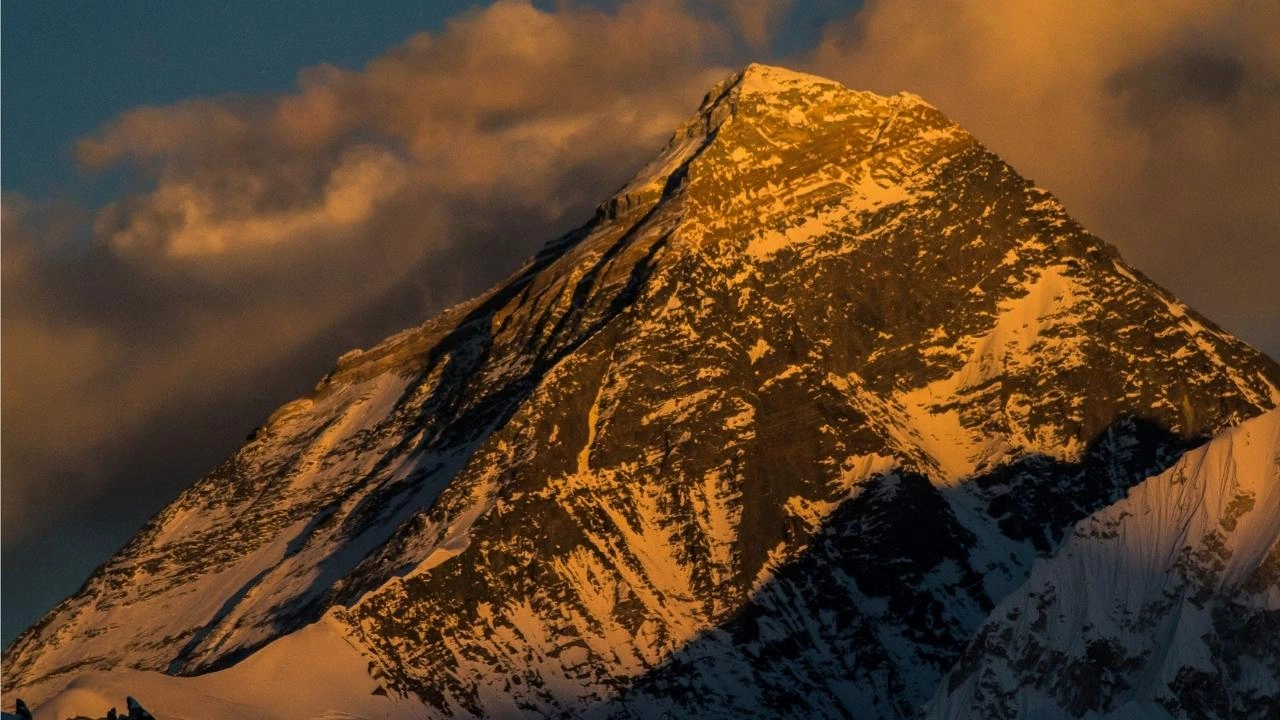
Accommodation on the Everest Base Camp trek costs US$4 to US$18 per night (NPR 500 to 2,500) for a standard twin teahouse room in 2026, and US$15 to US$40 for upgraded rooms with attached bathrooms in the lower villages.
Teahouses earn money from food, not beds. Many lodges quote an NPR 500 room on the understanding that you eat dinner and breakfast there. Book the room, skip the dining room, and the price climbs. That arrangement keeps room prices low and explains why the food line, covered later, is the larger number.
What Are the Typical Teahouse and Lodge Accommodation Costs of EBC Trek?
Typical teahouse rooms on the EBC trek cost NPR 500 to 1,000 below Namche, NPR 800 to 2,000 in Namche, NPR 1,000 to 2,000 from Tengboche to Dingboche, and NPR 1,500 to 2,500 at Lobuche and Gorak Shep.
The table below lists 2026 room, shower, charging, and dal bhat prices by altitude zone.
Zone | Room (NPR) | Hot shower (NPR) | Charging per device (NPR) | Dal bhat (NPR) |
Phakding to Monjo (2,610 to 2,835 m) | 500 to 1,000 | Often included | Often free | 550 to 850 |
Namche Bazaar (3,440 m) | 800 to 2,000 | 300 to 500 | 100 to 400 | 700 to 1,000 |
Tengboche to Dingboche (3,860 to 4,410 m) | 1,000 to 2,000 | 400 to 600 | 300 to 500 | 1,000 to 1,300 |
Lobuche to Gorak Shep (4,940 to 5,164 m) | 1,500 to 2,500 | 500 to 700, often unavailable | 400 to 700 | 1,000 to 1,700 |
Prices climb because every item arrives by porter, yak, or helicopter. Bring a sleeping bag rated to at least -15 degrees Celsius, because rooms above Dingboche have no heating and water freezes overnight. Lobuche and Gorak Shep fill up in October, so a package that reserves rooms in advance protects you from a US$25 dorm bed or a floor space at the dining room stove.
How Much More Does Private or Luxury Accommodation Cost of EBC Trek?
Private or luxury accommodation on the EBC trek costs US$15 to US$40 per night for premium teahouses with attached bathrooms and US$150 to US$260 per room per night for luxury lodges, with Hotel Everest View at US$300 to US$700.
Premium rooms cluster in Lukla, Phakding, Namche, and Tengboche. A luxury itinerary with 7 nights in premium lodges adds roughly US$800 per person to the lodging line. Above Deboche, even luxury packages move to the best available standard lodges, because the supply chain at 4,000 m and higher does not support hotel-grade rooms.
Premium lodging suits trekkers who value sleep and a private bathroom in the lower valley. It does not change the altitude, and it does not speed acclimatization. Spend on comfort after you have funded insurance, a guide, and buffer days.
How Much Does Food and Drinking Water Cost on the Everest Base Camp Trek?
Food and drinking water on the Everest Base Camp trek cost US$25 to US$45 per person per day in 2026, with dal bhat at NPR 550 near Phakding and up to NPR 1,700 at Gorak Shep.
Food is the largest trail expense that packages do not always include. It also climbs fastest with altitude. A plate of dal bhat that costs NPR 550 (US$4) at Phakding sells for NPR 1,700 (about US$12.50) at Gorak Shep, because every ingredient arrived on someone's back.
What Is the Average Daily Food Budget on the EBC Trek?
The average daily food budget on the EBC trek is US$25 to US$32 below Namche, US$30 to US$38 from Tengboche to Dingboche, and US$35 to US$45 at Lobuche and Gorak Shep, covering breakfast, lunch, dinner, and hot drinks.
Multiply by 14 trail days and the food total runs US$350 to US$630. Packages with trail meals fold this line into the price.
Dal bhat is the best calorie value on every menu, and it comes with free refills of rice, lentils, and vegetables. Order it once a day above Namche. Other menu staples include Sherpa stew, fried rice, noodles, and garlic soup, each at NPR 550 to 800 at mid-altitude. Breakfast with porridge, eggs, or pancakes lands near NPR 600 (about US$4.50).
Common mistakes we see include ordering imported-style dishes like pizza or steak at 4,500 m. They cost double, taste worse, and digest slowly at altitude.
How Much Do Drinks, Snacks, and Safe Water Cost?
Snacks, hot drinks, and safe drinking water cost US$5 to US$12 per day on the EBC trek: black tea at NPR 50 to 320, coffee at NPR 200 to 450, and boiled water at NPR 160 to 350 per litre.
Soft drinks show the altitude premium clearly. A cola costing NPR 100 in Kathmandu sells for NPR 300 in Namche and NPR 500 at Gorak Shep. Bottled water costs NPR 100 to 500 per litre, or US$1 to US$4 per litre. Plastic bottles also leave waste in a national park that has no road for removal.
Safe water has three routes, listed from cheapest to costliest:
Purification tablets: about US$5 to US$10 for the whole trek, with a chemical aftertaste
Filter or UV pen: a one-time purchase that covers every litre, so it pays back within 8 days of bottled-water use
Boiled lodge water: NPR 160 to 350 per litre, convenient but the highest cumulative cost
Drink 3 to 4 litres per day above 4,000 m. Filling bottles from taps with tablets beats buying a litre at Gorak Shep for US$3 or more.
How Much Do Guides and Porters Cost for the EBC Trek?
Guides and porters cost US$25 to US$40 and US$18 to US$28 per day respectively in 2026, which adds US$350 to US$640 for a guide and US$250 to US$450 for a porter across a 14 to 16 day trek, with the staff member's own food and lodging included.
Staff costs are the part of the budget where cutting corners hurts other people. Nepal's trekking workforce carries risk at altitude. Rates far below US$18 per day point to unlicensed or underpaid staff, and a package priced to the floor often passes that shortfall to the crew.
How Much Does Hiring a Licensed Trekking Guide Cost?
Hiring a licensed trekking guide for Everest Base Camp costs US$25 to US$40 per day, or US$350 to US$640 for a 14 to 16 day trek, and the daily rate covers the guide's food, lodging, and insurance.
A personal Sherpa guide, meaning a dedicated guide for one traveler or a couple, costs more than a shared group guide. Operators quote the premium on request. A full package at US$110 to US$150 per trekker per day, according to 2026 solo-trekking cost guides, folds the guide into a single rate.
The Nepal Tourism Board introduced a licensed-guide requirement for foreign trekkers on April 1, 2023. Enforcement differs by region, and operators describe the Khumbu position differently, so confirm the current rule with the Nepal Tourism Board or your operator before you plan a trek around no guide. Fines for violations run NPR 10,000 to 20,000 in some reports, and insurers can decline claims tied to a rule breach.
A guide earns the fee on the trail. The guide sets a pace that matches acclimatization, watches for headache, nausea, and poor sleep, and decides when to descend. At 5,364 m that judgment matters more than any gear.
How Much Does Hiring a Porter Cost?
Hiring a porter costs US$18 to US$28 per day, or US$250 to US$450 for a 14 to 16 day trek, and two trekkers usually share one porter, which lowers the cost to US$9 to US$14 each per day.
A porter carries 20 to 25 kg, so each trekker in a shared pair sends about 10 to 12 kg. Pack to that limit. Overloading a porter is the most common etiquette failure on the trail, and the cost lands on the person carrying the duffle, not on you.
You carry a daypack with water, a camera, snacks, a fleece, rain gear, and documents. Keep your passport, money, medication, and electronics with you at all times. The duffle may sit in a different lodge for a night when the porter walks ahead.
Is a Guided Everest Base Camp Trek More Expensive Than Trekking Independently?
A guided Everest Base Camp trek costs about US$475 to US$760 more per person than a fully independent trek, which is the price of a guide plus a shared porter, and the Nepal Tourism Board's licensed-guide rule narrows the independent option.
The arithmetic is direct. An independent trekker pays for Lukla flights (US$350 to US$520 round trip from Ramechhap or Kathmandu), permits (US$47), lodging (US$65 to US$195), and food (US$350 to US$630), for a core spend of US$812 to US$1,392 before insurance, gear, and extras. A guided trekker adds a guide (US$350 to US$560) and a half-porter share (US$126 to US$196), bringing the staff line to US$476 to US$756.
Independent trekking trades money for work: booking rooms, tracking prices, handling a delayed flight alone. Guided trekking trades money for a decision-maker at altitude. First-time high-altitude trekkers gain the most from that trade. Experienced trekkers with prior altitude history weigh it differently, and the rule on guides, if enforced for your dates, makes the choice for them.
How Much Does Trekking Equipment and Clothing Cost in Nepal?
Trekking gear for Everest Base Camp costs US$200 to US$600 when bought new and US$50 to US$90 when you rent a sleeping bag, down jacket, and poles in Kathmandu for 16 days, then buy only boots and base layers.
Thamel, Kathmandu's trekking district, sells and rents nearly everything on the packing list. The savings come from renting the bulky, rarely used items and buying the fit-critical ones.
Which Trekking Gear Should You Buy or Rent?
Buy trekking boots, socks, base layers, gloves, and a headlamp, and rent the sleeping bag, down jacket, and poles, because fit and hygiene matter for the first group and cost per use favors renting the second.
A down jacket costing US$250 pays for itself at US$1.50 per day only after about 167 days of use. A 16 day trek uses 16. Rent it.
Boots work the opposite way. A new pair needs breaking in, and blisters at 4,500 m end days. Buy boots at home and walk 40 to 60 km in them before departure.
Inspect rental gear before you pay. Check zips, loft, odor, and the temperature rating on the tag. Rent from shops that wash bags between customers. Gear shops in Namche charge 20 to 30 percent more than Thamel, so complete the list in Kathmandu.
How Much Should You Budget for Trekking Gear Rental?
Budget US$50 to US$90 for trekking gear rental on a 16 day Everest Base Camp trek: US$20 to US$40 for a sleeping bag, US$16 to US$32 for a down jacket, and US$8 to US$16 for trekking poles.
The table below shows 2026 rental prices in Thamel against the cost of buying new.
Item | Rental per day | 16 day rental | Buy new |
Sleeping bag (-15 degrees Celsius or lower) | US$1 to US$2.50 | US$16 to US$40 | US$150 to US$350 |
Down jacket | US$1 to US$2 | US$16 to US$32 | US$120 to US$300 |
Trekking poles | US$0.50 to US$1 | US$8 to US$16 | US$15 to US$30 |
Core rental total | US$40 to US$88 |
Some shops ask for a deposit or a passport copy. Many packages loan a sleeping bag and down jacket at no extra charge, which removes US$32 to US$72 from your own list. Confirm the loaned gear's temperature rating before you rely on it.
How Much Does Travel Insurance Cost for the Everest Base Camp Trek?
Travel insurance for the Everest Base Camp trek costs US$120 to US$300 for a 14 to 21 day policy that covers trekking to 6,000 m and helicopter evacuation, and standard travel policies often exclude both.
Price depends on age, nationality, the evacuation limit, and whether trip cancellation cover is included. Three clauses decide whether a policy works on this route: an altitude ceiling of at least 6,000 m, an emergency helicopter evacuation limit of at least US$10,000 to US$100,000. Some insurers apply an excess of US$250 to US$1,250 to helicopter rescue in Nepal, so read the excess line.
Kala Patthar reaches 5,545 m and Gorak Shep sleeps at 5,164 m. A policy capped at 4,000 m leaves the final four days uncovered. Operators require proof of cover before guiding above 3,500 m, and most packages exclude insurance from the price.
Does Everest Base Camp Trek Insurance Cover High-Altitude Helicopter Evacuation?
Only policies written for high-altitude trekking cover helicopter evacuation at Everest Base Camp, and an uninsured rescue costs US$3,000 to US$6,000 from mid-route points and US$5,000 to US$12,000 from above 5,000 m.
Generic worldwide policies usually stop at 3,000 to 4,000 m. A policy that names Nepal trekking, 6,000 m, and helicopter evacuation in the schedule of benefits does cover the route. A policy that says "adventure sports optional" does not, until you pay the upgrade.
Read the wording for these points before you buy:
Altitude: the stated ceiling reaches 6,000 m or higher
Evacuation: the benefit names helicopter transport from the mountain, not only ambulance transfers
Limit: the cap sits at US$50,000 or higher, as a US$30,000 cap can fall short on a complex rescue
Payment: the insurer arranges direct payment or reimburses with receipts, and you know which
Insurers have flagged inflated and unnecessary rescue claims in the Khumbu. When the situation allows, call the assistance line before you agree to any flight, and keep the medical report and flight record. Insurance is the one line in this guide where the cheapest option carries the highest risk.
How Much Extra Money Should You Budget for EBC Trek?
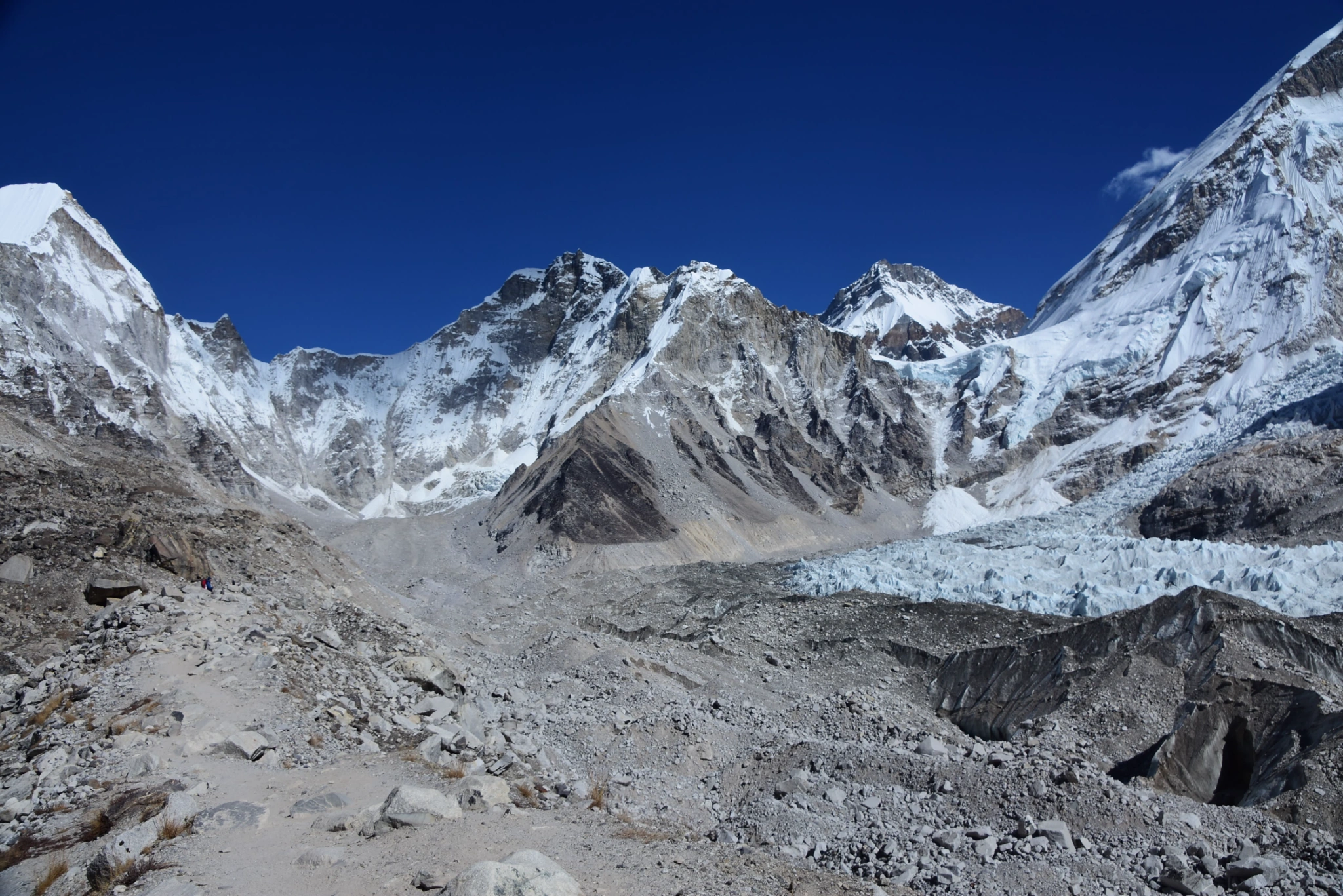
Extra money for the Everest Base Camp trek totals US$300 to US$550 per person: US$150 to US$300 for Wi-Fi, charging, showers, snacks, and laundry, plus US$150 to US$250 for tips, before a separate reserve for unexpected costs.
Carry the trail portion in rupees. ATMs in Lukla and Namche run out of cash or lose their connection, and lodges above Namche take cash. A workable cash plan is NPR 20,000 to 40,000 per trekker, withdrawn in Kathmandu.
How Much Should You Budget for Wi-Fi, Charging, Showers, and Laundry?
Budget US$85 to US$160 for Wi-Fi, charging, showers, and laundry on the EBC trek: Wi-Fi at NPR 200 to 600 per day, charging at NPR 100 to 700 per device, and hot showers at NPR 300 to 700.
The table below shows 2026 connectivity and comfort prices with trek totals.
Item | Typical price | Trek total (US$) |
Wi-Fi | NPR 200 to 600 per day, or about NPR 1,700 for 10 GB on a data card | 30 to 60 |
Device charging | NPR 100 to 700 per device, rising with altitude | 20 to 40 |
Hot showers | NPR 300 to 700 each, often unavailable at Gorak Shep | 20 to 30 |
Laundry and toilet paper | NPR 100 to 200 per toilet roll, laundry priced per item | 15 to 30 |
Altitude affects every row. Wi-Fi at Gorak Shep costs US$5 to US$15 per day and barely works. Carry a 10,000 mAh power bank and a local data SIM from Kathmandu to cut both lines. Most trekkers shower below Dingboche and use wet wipes above it, because a cold lodge and a wet head do not mix at 5,000 m.
How Much Should You Set Aside for Tips and Unexpected Expenses?
Set aside US$150 to US$250 per trekker for tips to a guide and a shared porter, plus a reserve of 10 to 15 percent of the package price for delays, illness, and replaced gear.
Tipping is voluntary and expected. A common structure gives the guide the larger share and the porter a smaller share, handed over in cash at the end of the trek with thanks. Pool tips as a group on larger departures, and let the guide help divide among the full crew.
The reserve covers four predictable events:
Delays: US$80 to US$140 per lost day in Kathmandu
Illness: a clinic visit or a rest day with an extra night of lodging
Excess: US$250 to US$1,250 on a helicopter claim before the insurer pays
Gear: a broken pole, a lost glove, a zip failure
On a US$1,500 package, a 10 to 15 percent reserve sits at US$150 to US$225. A standard delay reserve is US$200 to US$300. Keep it in US dollars in Kathmandu, not on the trail.
How Can You Reduce the Everest Base Camp Trek Cost Without Compromising Safety?
Four choices cut the Everest Base Camp trek cost without cutting safety: trek in shoulder months, join a group of 4 or more, rent bulky gear in Thamel, and fund insurance and acclimatization days first.
Never trim these four items: acclimatization days, high-altitude insurance, a licensed guide, and fair porter wages. Each one carries a failure cost that dwarfs the saving. A trimmed schedule saves US$65 to US$95 a day and raises the odds of altitude sickness at the exact point where help is hours away.
Is the Everest Base Camp Trek Cheaper During Certain Seasons?
Yes, the Everest Base Camp trek costs less in winter (December to February), late September, and the monsoon (June to August), when operators discount packages and rooms are easy to find, but the trade-offs are cold, rain, and flight disruption.
Spring (March to May) and autumn (September to November) are the peak windows. October is the busiest month, with well over 10,000 trekkers entering Sagarmatha National Park. Late September offers near-autumn conditions with fewer trekkers and lower prices. Late November thins the crowds, though nights at Everest Base Camp fall below -18 degrees Celsius.
Winter brings quiet trails and the lowest prices, and temperatures between -15 and -25 degrees Celsius at altitude. Some lodges above Lobuche close. Monsoon brings lush valleys and discounts, with more flight delays and poor visibility.
Timing interacts with flight routing. Ramechhap operates for the April to mid-May and October to mid-November peaks, and Kathmandu fares run US$55 to US$80 per leg higher in the off-windows. A cheaper package month can lose part of its saving to the fare. Mid-November to mid-December balances price, thinner crowds, and workable weather for fit, well-equipped trekkers.
How Does Group EBC Trekking Help Reduce the Overall Cost?
Group EBC trekking cuts the per-person cost by sharing guide wages, vehicles, and porter hires: a guide at US$350 to US$420 over 14 days costs a solo trekker US$420 and a group of four US$105 each.
That US$315 gap per person comes from one line alone. Private transfers, Kathmandu vehicle hire, and hotel rooms follow the same logic. Operators publish tiered prices by group size for this reason. A solo trekker pays a single supplement, and groups of 2 to 4 reach the lowest published rate.
Groups bring one trade-off. The slowest member sets the pace, and that rule protects everyone on acclimatization days. Large groups slow breakfast and lodge allocation. A private group of 2 to 4 friends or family gets most of the saving and keeps flexibility.
Is the Everest Base Camp Trek Worth the Cost?
The Everest Base Camp trek is worth US$2,100 to US$3,650 for trekkers who value a 16 day high-altitude journey through Sherpa villages, Sagarmatha National Park, Tengboche Monastery, and Kala Patthar at 5,545 m, and who budget the full cost in advance.
Opinions differ, and both sides have a point. Supporters point to the combination of altitude, culture, and scale on a non-technical route, with Everest Base Camp at 5,364 m as a clear goal. Critics point to October crowds, rising prices, and the fact that other Himalayan routes cost less. Treks such as Gokyo Lakes and Three Passes reward trekkers who want fewer people and accept harder terrain.
The trek suits people who enjoy sustained effort, simple lodging, and slow days. It disappoints people who expect a resort at altitude. At 4 to 8 hours of walking per day for 14 days, the experience is physical first and scenic second. A trekker who budgets the extras, buys the right insurance, and allows buffer days pays for the trek once. A trekker who skips those steps often pays twice.
What Value Do Guided EBC Trekking Packages Provide?
Guided EBC trekking packages provide one price for the flights, guide, porter share, permits, hotel nights, lodging, and meals, and they often cost less than the same parts bought separately at retail rates.
The table below compares an unbundled 2026 estimate for two trekkers sharing a guide and porter with the price of a published private package.
Component | Unbundled cost per person (US$) |
Round-trip Lukla flights and road transfers | 400 to 520 |
Guide, 14 trail days | 350 to 560 |
Porter share, 14 trail days | 126 to 196 |
Permits | 47 |
Kathmandu hotel, 4 nights (typical 3-star, bed and breakfast) | 120 to 200 |
Trail lodging, 13 nights | 65 to 195 |
Trail meals, 14 days | 350 to 630 |
Rented sleeping bag and down jacket | 40 to 72 |
Total | 1,498 to 2,420 |
A published private package at US$1,485 per person sits at the bottom of that range. Operators buy flights, rooms, and meals at group rates and spread guide and vehicle costs across a booking. You also gain one phone number for a flight delay, a guide who tracks your symptoms, and rooms reserved in the weeks when Lobuche and Gorak Shep run tight.
A package does not control weather. It controls how many separate decisions you make while the weather changes.
How Can Nepal Intrepid Treks Help You Plan an Affordable Everest Base Camp Trek?
Nepal Intrepid Treks helps you plan an affordable Everest Base Camp trek with a private 16 day itinerary priced from US$1,485 per person for 2 to 4 trekkers, covering Lukla flights, a guide, a shared porter, permits, hotel nights, and trail meals.
We run this trek as a private trip with a minimum group size of one. The itinerary includes two acclimatization stops, at Namche Bazaar (3,443 m) and Dingboche (4,450 m), and reaches Everest Base Camp (5,364 m) and Kala Patthar (5,545 m). Our guides carry 12+ years of operating experience on this route.
The table below lists what the 2026 package price covers.
Component | What the package holds |
Airport | Private pickup and drop-off |
Kathmandu | 4 nights, 3-star hotel, bed and breakfast |
Flights | Round-trip Lukla flights from Kathmandu or Ramechhap, with taxes |
Guide | Experienced English-speaking guide, with food, salary, and insurance covered |
Porter | 1 porter per 2 trekkers, staff costs covered |
Trek lodging | Best available twin-sharing teahouses |
Trail meals | Breakfast, lunch, and dinner with tea, plus seasonal fruit |
Permits | Required trekking permits |
Equipment | Sleeping bag, down jacket, duffle bag, map, and T-shirt |
Completion | Trip Achievement Certificate |
The package leaves out international airfare, the visa, travel insurance, Kathmandu lunches and dinners, cold drinks and water, internet, laundry, tips, personal trekking gear such as poles, and costs from events beyond our control. Use the budget table in the first section to add those lines yourself.
Compare it line by line. Open the Everest Base Camp Trek page to see the day-by-day itinerary, the current departure dates, and the live price for your group size. Prices and availability depend on your date, so confirm both at booking.
Can Nepal Intrepid Treks Customize an Everest Base Camp Trek Package to Fit Your Budget?
Yes, Nepal Intrepid Treks adjusts the Everest Base Camp trek by group size, departure date, and add-ons, and the private format starts at one traveler, so a solo trekker, a couple, or a family can set the budget.
Five levers change the price, and each carries a known direction:
Group size: 2 to 4 trekkers reach the published per-person rate, while a solo traveler pays a single supplement
Departure date: shoulder-season dates price lower than October peaks
Guide level: a personal Sherpa guide is available on request at an extra charge
Lodging and comfort: request a written quote for premium rooms in Namche or Phakding
Return option: ask for a quote on a helicopter return from Gorak Shep, which typically adds US$800 to US$1,200 per person when shared
Dietary needs also shape the plan. Vegetarian and vegan trekkers give advance notice so the lodge kitchens prepare accordingly.
Ask for a quote built around your numbers. Send your dates, group size, and comfort level through our Contact Us page and we reply with a written, line-by-line price. You decide after you see it.
What Should You Know Before Finalizing Your Everest Base Camp Trek Budget?
Before finalizing your Everest Base Camp trek budget, confirm 6 points: package inclusions, flight routing, permit fees, insurance altitude cover, a rupee cash plan, and a reserve of 10 to 15 percent for delays.
A budget is finished when every line has a number and a source. Work through this checklist in order:
Compare each quote line by line, and mark what sits inside and outside the price.
Confirm the flight route, Kathmandu or Ramechhap, and the extra road transfer when Ramechhap applies.
Check permit fees at cost: NPR 6,390 (about US$47) per person in 2026, and ask about service charges.
Verify the insurance wording: 6,000 m, helicopter evacuation, and a limit of US$100,000 or more.
Carry NPR 20,000 to 40,000 in cash per trekker, withdrawn in Kathmandu before the flight.
Reserve 10 to 15 percent of the package price and keep 2 to 3 buffer days before your international departure.
The Everest Base Camp trek cost is knowable. A standard guided trek totals US$2,100 to US$3,650 per person before international airfare, and a working budget with a delay reserve reaches US$2,300 to US$4,050. Treks priced well under US$1,200 cut crucial components, while treks above US$3,800 buy comfort in the lower valley rather than a better summit day. Fund safety first, then choose comfort with what remains.