September is a shoulder-season month for visiting Nepal and Bhutan, positioned between the summer monsoon and the clear, cooler autumn travel season. Weather changes significantly during the month: early September can bring rain, cloud, muddy trails, and limited mountain visibility, while mid-to-late September increasingly delivers clearer skies, greener landscapes, drying trekking routes, and fewer visitors than the October–November peak. Nepal gives travelers more flexibility because rain-shadow destinations such as Upper Mustang, Nar Phu, and Upper Dolpo can remain suitable for trekking throughout September, while the Everest Base Camp, Annapurna, Manaslu, Langtang, and Mardi Himal regions generally become more reliable from mid-to-late September. Bhutan follows a more uniform monsoon pattern, making the second half of September particularly important for Paro, Thimphu, Punakha, Haa Valley, and high-altitude treks.
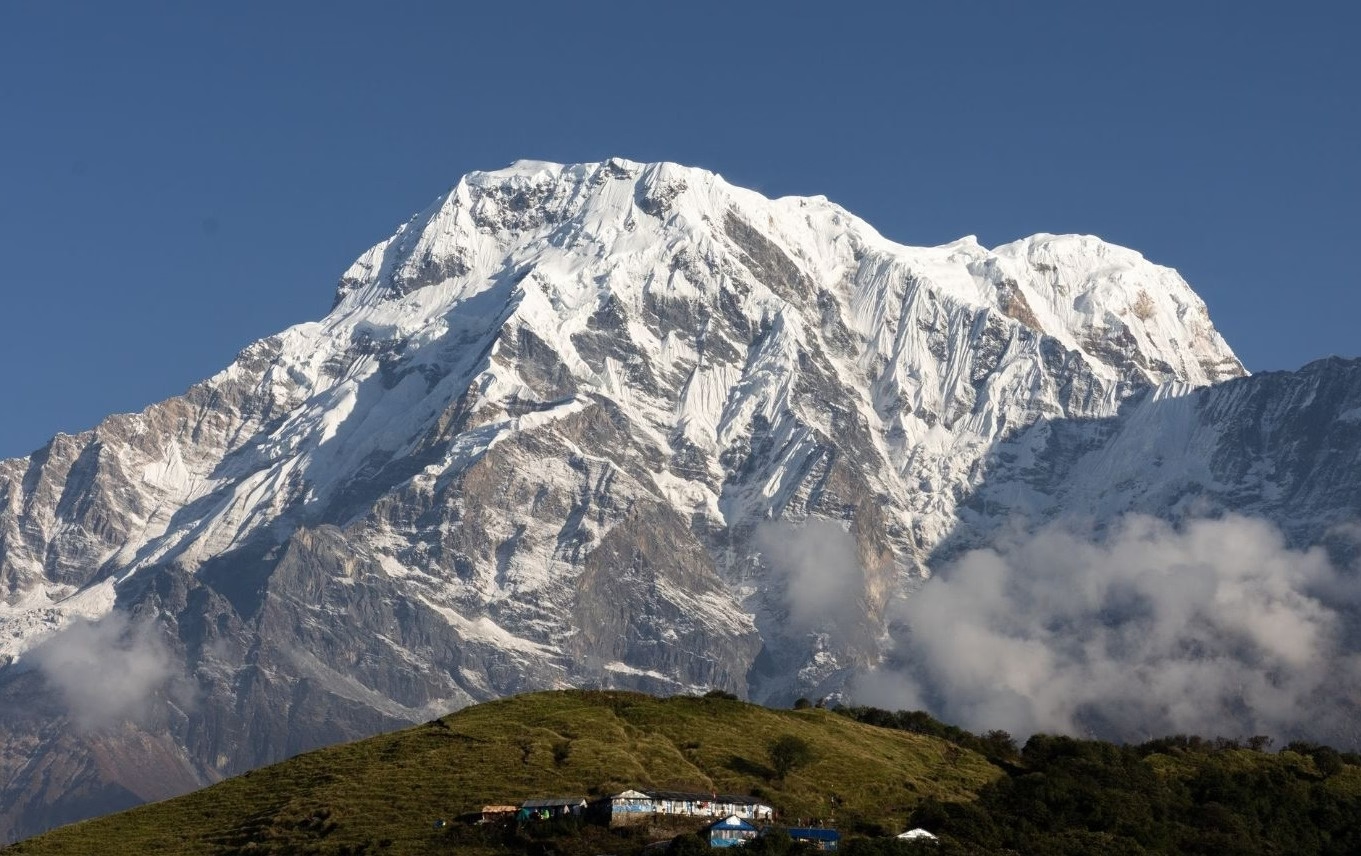
September also creates an unusually strong cultural and logistical opportunity for travelers combining both Himalayan countries. In 2026, Kathmandu's Indra Jatra runs from September 19–27, overlapping with Thimphu Tshechu from September 21–23, allowing a well-planned trip to experience major Nepalese and Bhutanese festivals within the same travel window. The month can also offer lower crowds and accommodation costs than peak autumn, although travelers must account for monsoon-related flight delays, landslides, trail conditions, permits, Bhutan's Sustainable Development Fee, and cold temperatures at higher elevations. This guide covers September weather, the best trekking regions and destinations, festivals, costs, permits, packing requirements, booking timelines, and 12–22 day Nepal–Bhutan itineraries to help you choose the best week, route, and travel sequence for a Himalayan trip in September.
Is September a Good Time to Visit Nepal and Bhutan?
September works well for Nepal and Bhutan if you choose your region by week, not by month. Early September still holds residual monsoon rain and cloud across most of both countries, while mid-to-late September brings clearing skies, thinner crowds, and lower prices than the October–November peak.
Nepal and Bhutan share the same Himalayan monsoon system, fed by the southwest monsoon that typically retreats between early and late September. The retreat does not happen on a single date. It moves west to east across Nepal over two to three weeks, and it eases out of Bhutan on a similar schedule, easing first in the rain-shadow valleys and last in the exposed southern foothills. Trekkers who pick a rain-shadow route or delay departure to mid-month sidestep most of the uncertainty. Travelers locked into an early-September date still get a functional trip; they simply need a rain shell, a flexible itinerary, and realistic expectations about visibility in the first week or so.
What Is the Weather Like in Nepal and Bhutan in September?
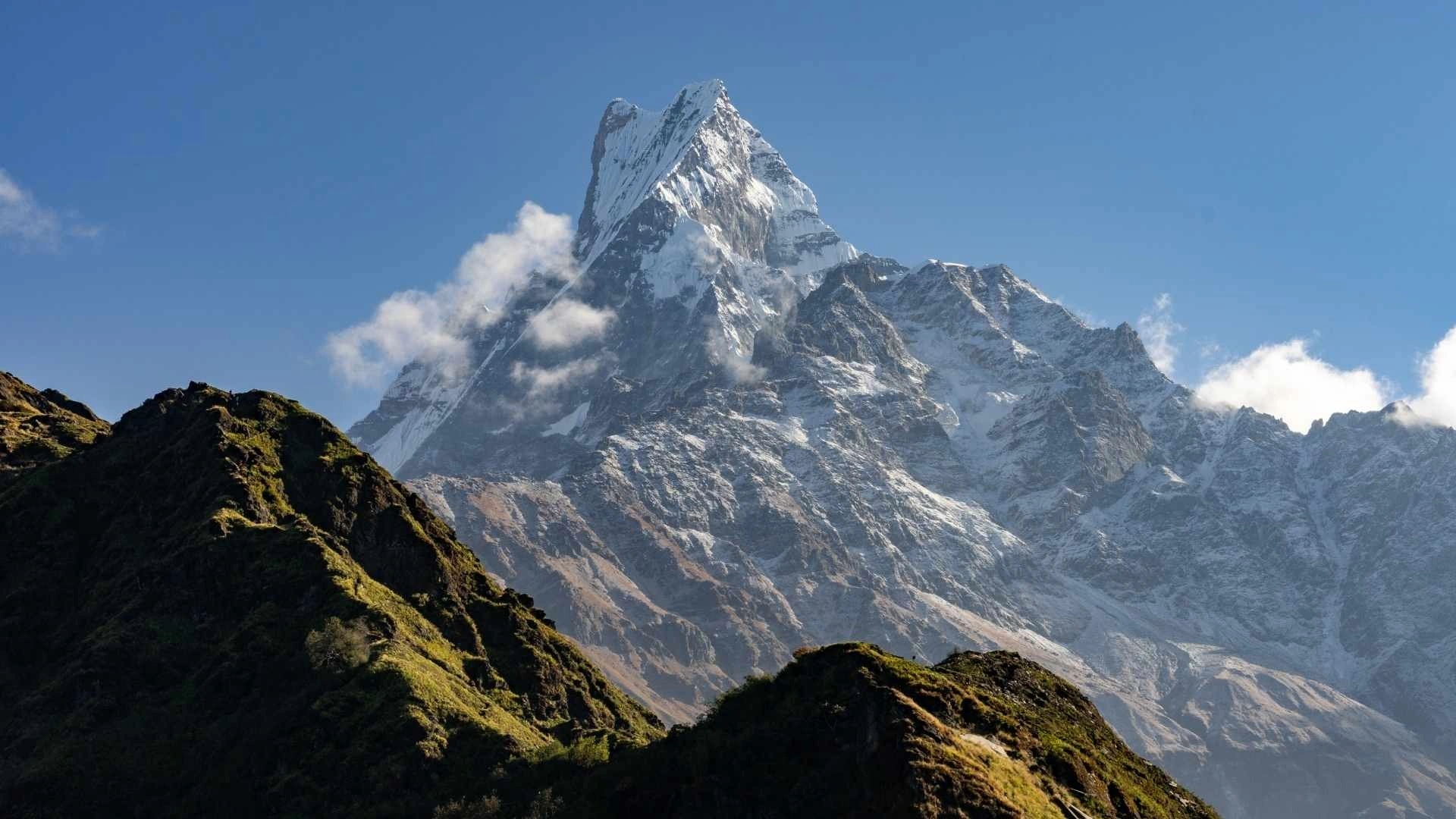
September weather in Nepal and Bhutan runs warm, humid, and unsettled early in the month, then turns drier, cooler, and clearer after roughly the 15th. Daytime temperatures in the mid-hill valleys of both countries sit between 20°C and 27°C, with high-altitude trekking zones considerably colder, especially at night.
Kathmandu and Pokhara see daytime highs around 25–28°C in September with humidity still elevated from the monsoon; afternoon showers remain common in the first half. Paro, Thimphu, and Punakha in Bhutan run slightly cooler, generally 17–23°C by day, with the same pattern of morning sun giving way to afternoon cloud build-up early in the month. Above 3,500 meters in either country, daytime temperatures drop into single digits and nights fall near or below freezing regardless of the date, so altitude, not the calendar, sets the packing list once you climb past the mid-hills. Rainfall totals for the month average noticeably lower than July or August in both countries, but they are not zero, and the difference between a good and a frustrating September trip usually comes down to which half of the month you travel in and which valley you choose.
How Does September Compare With the Monsoon and Peak Seasons?
September is a transition month: wetter and greener than October's peak season, but far drier and quieter than the June–August monsoon. It sits between two very different travel experiences, and understanding where it falls on that spectrum shapes almost every other decision in this guide.
Season | Months | Rainfall | Crowds | Mountain Visibility | Typical Cost |
Monsoon | June–August | Heavy, daily | Lowest | Poor, cloud-bound | Lowest |
Transition (this guide) | September | Moderate, tapering | Low to moderate | Improving through the month | Below peak |
Peak Autumn | October–November | Minimal | Highest | Excellent | Highest |
Winter | December–February | Low, some snow | Low | Very good, cold | Moderate |
Spring | March–May | Light, rising | High | Good, hazy at times | High |
September's advantage over October and November is straightforward: teahouses and hotels are not yet fully booked, guides and porters are easier to hire on short notice, and prices for accommodation and permits have not yet hit the peak-season premium that many operators add once Dashain and the October rush begin. Its disadvantage is equally straightforward: the first half of the month still carries a real chance of multi-day rain, landslide-related road closures on remote highways, and reduced visibility on the highest passes.
What Is Nepal Like to Visit in September?
Nepal in September is lush, green, and noticeably quieter than the same trails will be four weeks later. Rice terraces across the mid-hills are at their most vivid, waterfalls run full from the summer rains, and the Kathmandu Valley moves into one of its most important festival stretches of the year just as the month draws to a close.
What Is the Weather Like Across Nepal in September?
Nepal's September weather varies sharply by region: the Kathmandu Valley and southern mid-hills stay humid and rain-prone into the second week, while rain-shadow zones north of the Annapurna–Dhaulagiri wall stay dry for most of the month. This regional split is the single most useful fact for planning a September trek in Nepal.
Upper Mustang, Nar Phu, and the upper Dolpo region sit in the geographic shadow of the Annapurna and Dhaulagiri massifs, which block most of the monsoon's moisture before it reaches them. These valleys receive well under 300mm of rain annually and stay walkable through the entire month, including the first week. Everywhere else, Everest, the southern approach to Annapurna Base Camp, Langtang, and the lower Manaslu route, follows the standard pattern: humid and unsettled through roughly September 10–15, then progressively drier and clearer for the remainder of the month as the monsoon completes its retreat. Nighttime temperatures at altitude drop fast regardless of location; expect single digits above 3,000 meters and sub-zero readings above 4,500 meters even in the warmest week of September.
Is September Good for Trekking in Nepal?
September is good for trekking in Nepal, provided you either choose a rain-shadow route from day one or start a standard trail after mid-month. Treating the month as a single block of uniform conditions is the most common planning mistake international trekkers make.
Trekkers who commit to Upper Mustang, Nar Phu, or the upper reaches of Dolpo can start on September 1 with minimal weather risk. Trekkers heading to Everest Base Camp, the Annapurna Circuit, Annapurna Base Camp, Langtang, or Mardi Himal get a noticeably better experience by pushing their start date to the 15th or later, once trail conditions firm up and Lukla flights become more reliable. A guide with current, on-the-ground knowledge of trail conditions, now mandatory on every Nepali trekking route regardless of experience level, adds real value in September specifically, because conditions can shift week to week in a way they simply don't during the stable October–November window.
Which Nepal Trekking Regions Are Best in September?
Upper Mustang, Nar Phu, and upper Dolpo are the best Nepal trekking regions for the full month of September, while the Annapurna Circuit, Manaslu, Langtang, and Mardi Himal become reliable from roughly mid-month and Everest Base Camp is best left to the final week.
Region | Best September Window | Why |
Upper Mustang | Entire month | Rain-shadow desert terrain, minimal monsoon exposure |
Nar Phu Valley | Entire month | Same rain-shadow protection as Upper Mustang |
Upper Dolpo | Entire month | Remote, dry, behind the Dhaulagiri range |
Annapurna Circuit (Manang side) | From mid-September | Crosses into rain shadow past Manang |
Manaslu Circuit (upper sections) | From mid-September | Higher, drier terrain past Samagaon |
Annapurna Base Camp | Late September | Southern approach carries more monsoon exposure |
Langtang | Mid-to-late September | Closer to the Tibetan plateau, dries faster than Annapurna's south side |
Everest Base Camp | Late September onward | Lukla flights and high visibility both improve significantly after the 20th |
Mardi Himal | Late September | Shorter, forested trail holds moisture longer |
Nepali trekkers exploring these routes as citizens pay a different fee structure than international visitors: national park and conservation area entry is significantly discounted for Nepali nationals, and the TIMS card requirement does not apply. International trekkers should budget for current permit costs: roughly NPR 3,000 for a national park or conservation area permit, an additional NPR 2,000–3,000 for a TIMS card depending on the region, and a strict USD 500 for the first 10 days in restricted areas such as Upper Mustang, plus USD 50 for each additional day. A licensed guide is now mandatory nationwide for every foreign trekker. Furthermore, independent travelers must remember that obtaining a restricted-area permit still strictly requires a minimum group of two foreign trekkers, meaning solo travelers will need their agency to pair them with an existing permit roster to secure access.
What Are the Benefits of Trekking in Nepal in September?
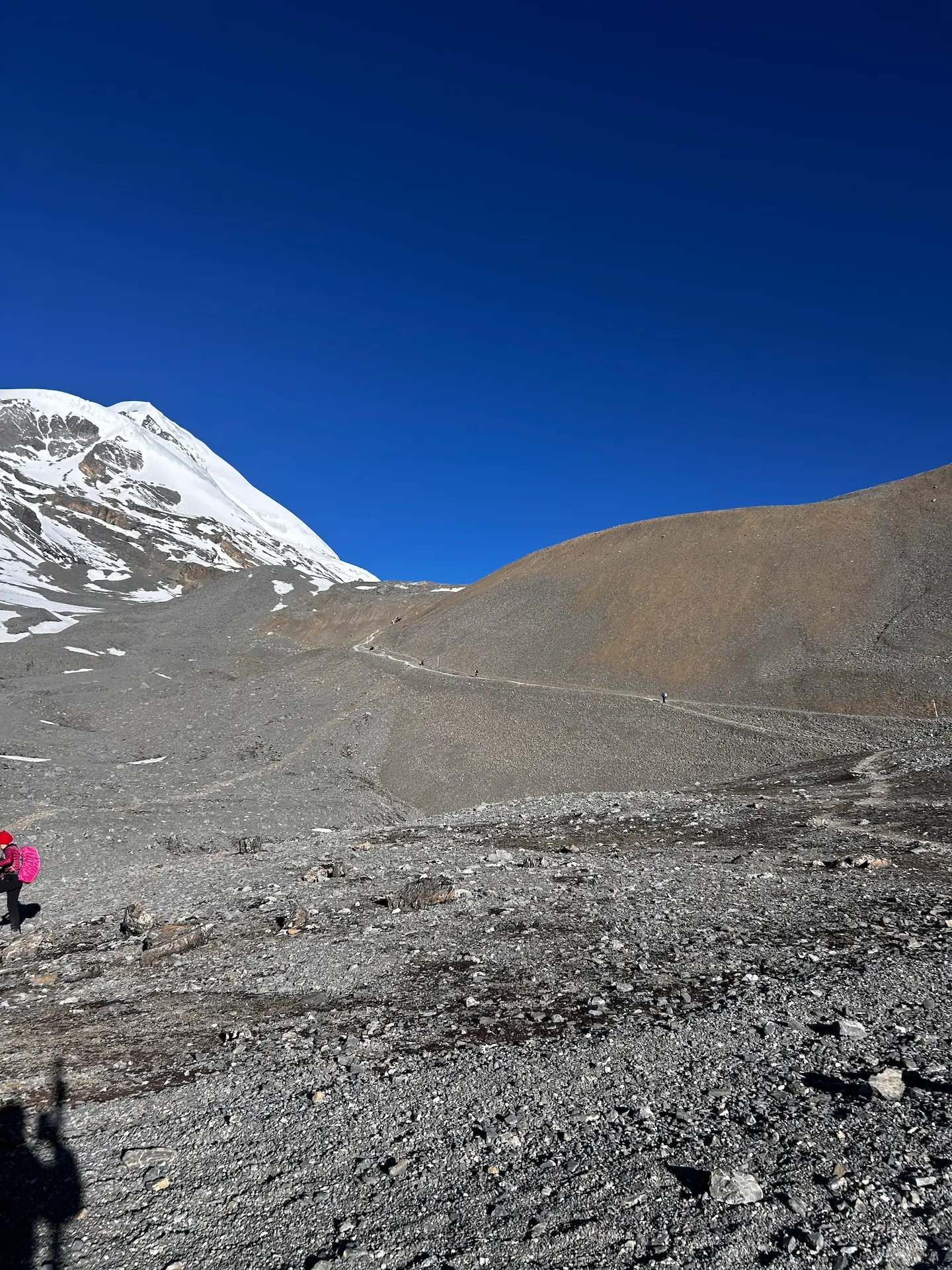
September trekking in Nepal delivers the greenest scenery of the year, the thinnest crowds of the main trekking season, and lower costs than October, all before the country's biggest holiday closes government permit offices in mid-October. These four advantages rarely appear together at any other point in the calendar.
The landscape in September looks nothing like the dusty brown trails of late autumn: forests are dense, rivers run full and loud, and rhododendron country turns a deep, saturated green rarely seen in photographs. Teahouses that require reservations weeks ahead in October have open rooms on the day in September, and popular viewpoints along the Annapurna and Everest trails stay uncrowded even at sunrise. Guides and porters, still working through their quieter season, are easier to book on short notice and often more willing to adjust pace and itinerary around a group's specific interests. Trekkers who complete their trip by the end of September also avoid the administrative disruption of Dashain, Nepal's largest festival, which in 2026 runs from October 11 to October 25 and closes many government offices, including permit counters, for several days in its third week.
What Challenges Should Trekkers Expect in September?
The main September trekking challenges in Nepal are residual monsoon rain in the first half of the month, leeches on forested lower-elevation trails, occasional Lukla flight delays, and elevated landslide risk on roads and lower trails. None of these rule out a September trek; all of them call for a buffer day or two built into the itinerary.
Leeches remain active on wet forest trails below 3,000 meters through the first half of September, particularly around Annapurna, Langtang, Mardi Himal, and the lower approach to Everest; they disappear completely above 3,000 meters and largely die off by late month as the forest floor dries. Lukla's mountain airstrip depends on clear morning visibility, so flights in the first half of September see more delays and cancellations than they will in October, padding an EBC itinerary with two spare days at each end absorbs this risk without wrecking the schedule. Rivers run high and fast after the summer rains, so trails that cross exposed suspension bridges or unbridged fords warrant extra caution and, on a few routes, a short wait for water levels to drop. Road travel to trailheads carries a higher chance of landslide-related delay than it will later in the season, which is one more reason a guide or agency with current route intelligence matters more in September than in the stable months that follow.
What Is Bhutan Like to Visit in September?
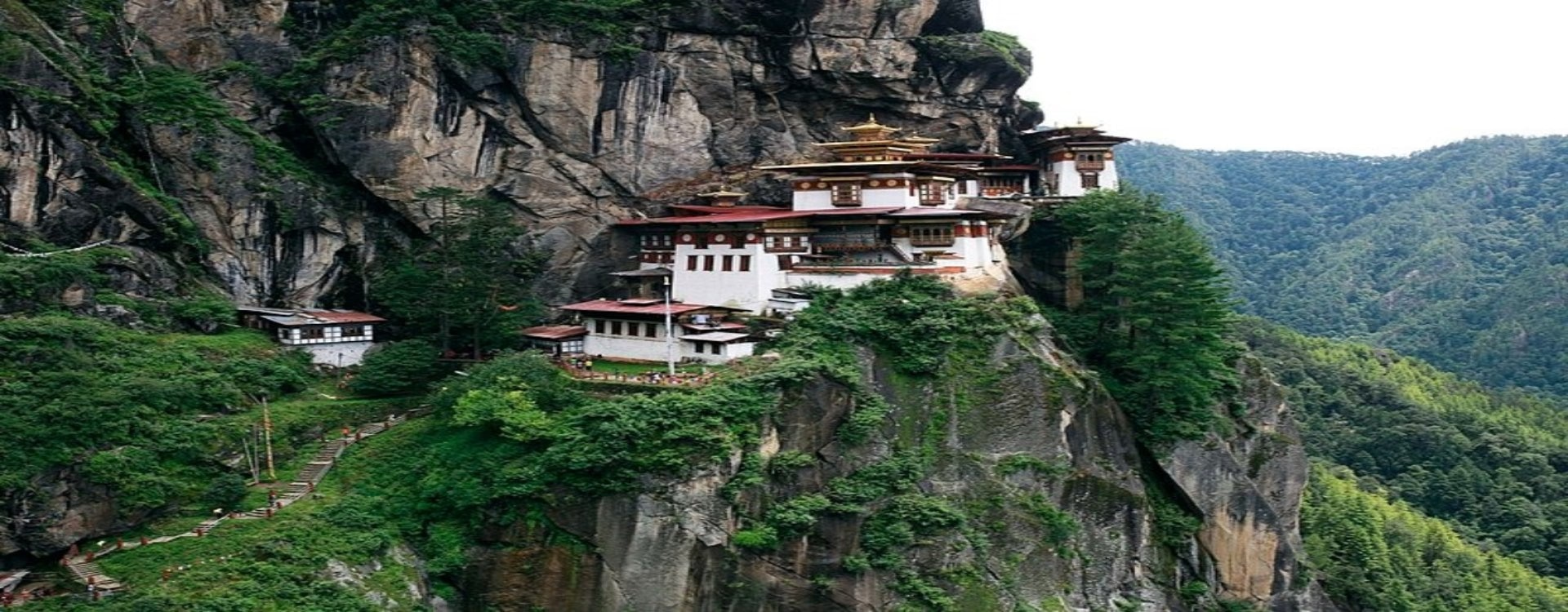
Bhutan in September is genuinely a month of two halves. The kingdom's monsoon, driven by the same southwest system that soaks Nepal, typically holds on a little longer here, running from June through roughly the middle of September before giving way to the country's best-known trekking and festival season.
What Is the Weather Like in Bhutan in September?
Bhutan's September weather starts wet and cloudy in the first two weeks, then clears into warm, stable conditions with highs around 17–23°C in Paro, Thimphu, and Punakha for the remainder of the month. Nights stay cool even after the rain clears, particularly in the higher Paro and Thimphu valleys.
The transition is more clearly seasonal in Bhutan than in Nepal, largely because Bhutan lacks the large rain-shadow valleys that let Nepali trekkers escape the monsoon early. Bhutan's monsoon season runs from June to around mid-September, a slightly shorter window than Nepal's, and once it breaks, the change in visibility and trail condition happens quickly, often within days rather than the gradual, two-to-three-week fade seen further west in Nepal. Travelers arriving in the first week of September should expect overcast skies, muddy paths, and a real chance that mountain views stay hidden; travelers arriving after the 15th generally get the crisp, high-visibility conditions Bhutan is known for.
Is September Good for Trekking and Hiking in Bhutan?
September works well for short day hikes in Bhutan throughout the month, but multi-day high-altitude treks such as Jomolhari, Druk Path, Dagala, and the Snowman Trek are best attempted from the second half of September onward. The distinction between a day hike and a multi-day camping trek matters more in Bhutan than in Nepal, because Bhutan has no teahouse network, every high trek is fully camped and guide-supported.
The Tiger's Nest hike above Paro remains rewarding even in light rain, since a rain shell and decent boots handle the exposure on a route that returns to the valley floor the same day. The longer treks are a different calculation: Jomolhari and Druk Path cross passes above 4,000 meters where sudden snowfall or fog can close a route with little warning, and the demanding Snowman Trek, one of the hardest treks on earth, is typically attempted only in the narrow window between the end of the monsoon and the onset of winter, starting in September and running into October. Booking a licensed operator with flexible start dates gives September trekkers room to shift a departure by a few days if the monsoon lingers.
Which Bhutan Destinations Are Best in September?
Paro, Thimphu, Punakha, Haa Valley, and the Phobjikha valley around Gangtey are Bhutan's strongest September destinations, helped by a run of major festivals that all land in the same three-week window in 2026.
Destination | September Highlight |
Paro | Tiger's Nest hike; gateway for the Jomolhari trek from mid-month |
Thimphu | Thimphu Drubchen (Sept 17, 2026) and Thimphu Tshechu (Sept 21–23, 2026) |
Wangdue Phodrang | Wangdue Tshechu (Sept 19–21, 2026) |
Haa Valley | Haa Summer Festival (Sept 19–21, 2026); least touristed valley in western Bhutan |
Punakha | Lush rice terraces at their greenest; Punakha Dzong at the confluence of two rivers |
Phobjikha / Gangtey | Gangtey Tshechu (Sept 24–26, 2026); black-necked crane habitat, quiet valley walks |
Thimphu Tshechu, Bhutan's largest and most-attended festival, falls on September 21–23 in 2026, with the pre-dawn unfurling of the giant Guru Thongdrel tapestry on the final morning. Travelers who time a September trip around this festival window get Bhutan's biggest cultural event alongside newly-cleared mountain weather, a combination that October and November, despite their reputation as the "best" months, cannot always offer, since festival crowds there are heavier and hotel rates climb.
What Are the Benefits of Visiting Bhutan in September?
September in Bhutan combines a major festival season with noticeably thinner crowds and greener scenery than the October–November peak, at the same daily cost throughout the year. Because Bhutan's Sustainable Development Fee does not fluctuate by season, September delivers comparable festival access and mountain scenery to October at a lower risk of fully booked hotels.
Rice terraces around Punakha and Wangdue reach their most vivid green in September, a visual payoff the dry, browner landscape of November cannot match. Hotels and guides that are fully committed by mid-October still have availability in September, which matters given that Bhutan requires every visitor to travel with a licensed operator and a pre-booked itinerary. Photographers benefit from the dramatic skies that follow a clearing monsoon, layered cloud, sharp light, and rain-washed air produce noticeably better long-range mountain photography than the flatter light of peak season.
What Challenges Should Travelers Expect in Bhutan?
The main September challenges in Bhutan are first-half rain and trail mud, a real chance of delayed or diverted flights into Paro, leeches on lower forest trails, and a fixed daily cost that does not drop even if the weather does not cooperate. Because Bhutan's Sustainable Development Fee and visa fee apply uniformly regardless of season, a rainy first week costs exactly as much as a clear one.
Paro's airport requires visual approach and departure, so flights are more weather-sensitive here than at almost any other regional airport; travelers on tight connections should avoid scheduling international flights for the same day as their Paro arrival or departure in the first half of September. Remote dzongkhags occasionally see road disruption from landslides after heavy rain, which can affect access to Haa, Punakha, or the eastern trekking regions. Because every Bhutan trip runs through a licensed operator on a pre-approved itinerary, weather-related changes require operator coordination rather than the on-the-fly rerouting possible in Nepal, so building slack into a September Bhutan itinerary matters even more than it does across the border.
Is Nepal or Bhutan Better to Visit in September?
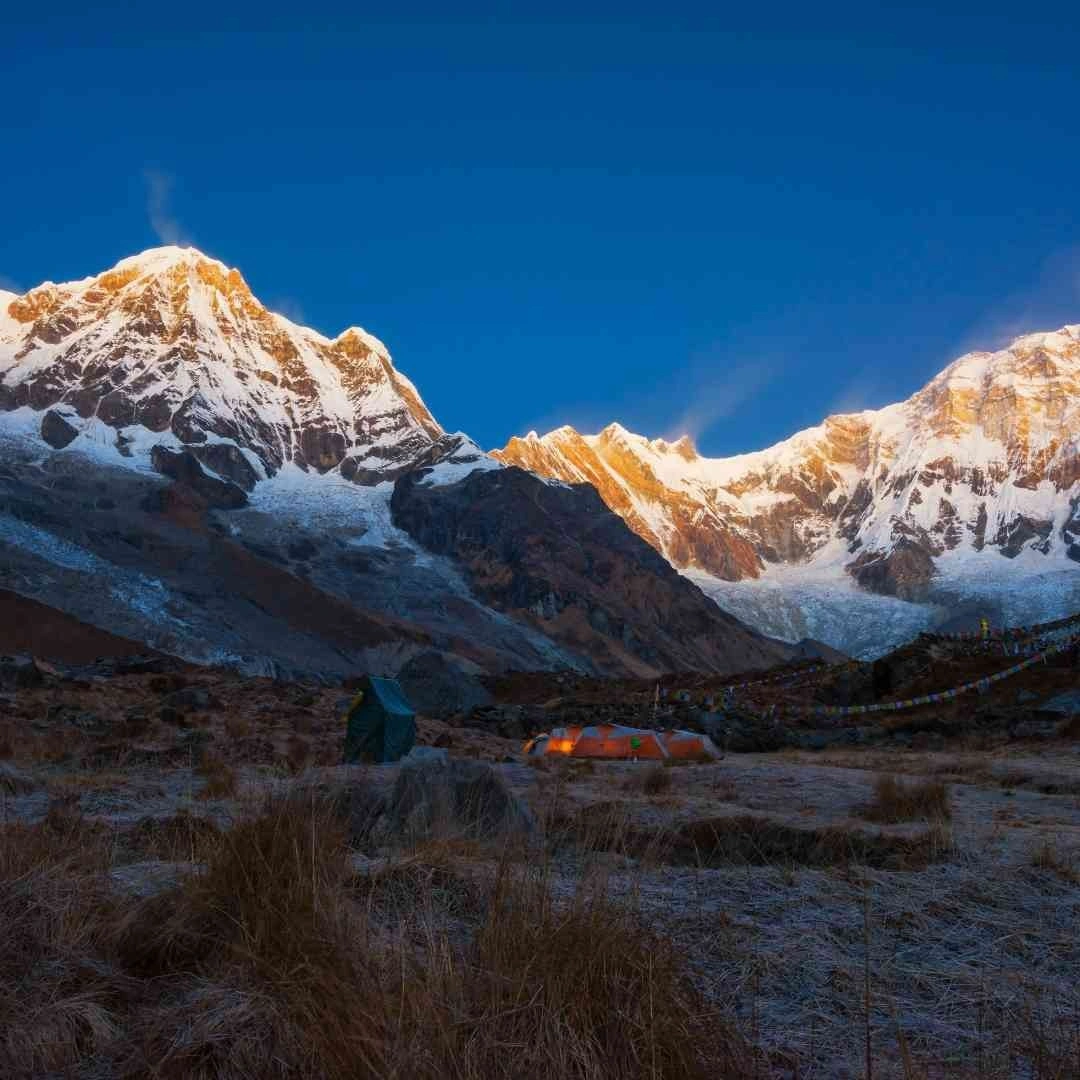
Neither country is categorically better in September; the right choice depends on whether trekking flexibility, guaranteed weather, or festival timing matters most to a given trip. The two countries share the same monsoon system and much of the same trekking and cultural DNA, but they diverge in specific, practical ways once the calendar narrows to a single month.
Which Country Offers Better Trekking in September?
Nepal offers more trekking flexibility in September because its rain-shadow valleys, Upper Mustang, Nar Phu, and upper Dolpo, stay dry for the entire month, while Bhutan has no equivalent terrain and depends on the monsoon fully clearing before its high treks open. Trekkers who want to start walking on September 1 have far more reliable options in Nepal than in Bhutan.
Bhutan compensates with a fundamentally different trekking style: every trek is fully camped, small-group, and guide-supported end to end, producing a level of trail solitude that Nepal's teahouse-based routes, even in September, rarely match. A trekker choosing based purely on calendar flexibility should lean toward Nepal; one choosing based on trail crowding and support-crew quality has good reason to wait a week or two and go to Bhutan instead.
Which Country Has Better Weather in September?
Nepal and Bhutan share comparable September weather overall, since both sit under the same retreating southwest monsoon, but Nepal's larger geographic range gives it more usable dry weather earlier in the month. Bhutan's monsoon runs slightly shorter on the calendar, roughly June through mid-September, but without rain-shadow terrain to escape into, its early-September conditions are more uniformly wet than Nepal's.
By the third week of September, the weather gap between the two countries narrows to nearly nothing: both offer clearing skies, drying trails, and the first strong mountain visibility of the season. The real weather advantage in the first two weeks of the month belongs to Nepal, purely because of where its driest valleys sit relative to the monsoon.
Which Country Is Better for Cultural Experiences in September?
Nepal and Bhutan both host their most important annual festivals in the same September week in 2026, giving culturally-focused travelers a rare opportunity to catch two capital-city celebrations on a single trip. Kathmandu's Indra Jatra runs September 19–27, 2026, featuring chariot processions and public appearances by the Kumari, Nepal's living goddess, while Bhutan's Thimphu Tshechu runs September 21–23, 2026 in the same calendar window.
Indra Jatra has a chaotic, street-level energy centered on Kathmandu's Durbar Square, drawn from Newar Buddhist and Hindu tradition and largely unstructured for visitors. Thimphu Tshechu is more formal and choreographed, built around masked monastic dances performed in the courtyard of Tashichho Dzong and culminating in the pre-dawn unfurling of a giant sacred tapestry. Neither is objectively "better", they represent two distinct cultural traditions, but a traveler with roughly two weeks in the region can genuinely experience both without extending the trip significantly.
Can You Combine Nepal and Bhutan in One September Trip?
Yes, Kathmandu and Paro are connected by a direct flight of just over an hour, operated by Bhutan's two national carriers, making a combined Nepal-and-Bhutan September trip straightforward to sequence around each country's festival dates. The practical approach is to trek in Nepal first, while the monsoon is still settling, then fly into Bhutan once its weather has cleared in the back half of the month.
A workable sequence for 2026 starts with a rain-shadow or mid-month Nepal trek in the first two to three weeks of September, includes Kathmandu's Indra Jatra if the dates align, then flies to Paro in time for Thimphu Tshechu on the 21st–23rd. Bhutan's visa and Sustainable Development Fee must be arranged through a licensed Bhutanese operator in advance, typically taking five to seven working days to process, so this leg needs to be booked well before departure rather than on arrival. One detail matters specifically for Nepali trekkers planning this combination: Bhutan's discounted regional rate applies only to Indian, Bangladeshi, and Maldivian nationals. Nepali citizens pay the same USD 100 per night Sustainable Development Fee and USD 40 visa fee as any other international visitor, a distinction that catches many Nepali travelers off guard when budgeting a Bhutan add-on.
What Should You Pack for Nepal and Bhutan in September?
September packing for Nepal and Bhutan has to cover two conditions in the same bag: humid, occasionally wet lower-elevation days, and cold, dry conditions at altitude. Layering, not any single heavy item, solves this problem.
What Trekking Clothing Is Suitable for September?
A four-layer system, moisture-wicking base, breathable mid layer, insulating layer for camp and evenings, and a waterproof-breathable outer shell, covers the full range of September conditions in Nepal and Bhutan. Cotton has no place in this system; it holds moisture and dries slowly in the still-humid September air.
Pack quick-dry base layers in both short and long sleeve, a fleece or light synthetic mid layer, and a compressible down or synthetic jacket for cold mornings above 3,000 meters and evenings in unheated teahouses or camps. Trekking pants in a quick-dry fabric handle both the lower, warmer trail sections and the cooler upper reaches when paired with thermal leggings underneath. A wide-brimmed hat or cap covers the sharp sun that follows a clearing monsoon, and a warm hat and gloves cover the cold that arrives fast once the sun drops behind a ridge.
Do You Need Rain Gear for Nepal and Bhutan in September?
Yes, a waterproof, breathable rain jacket is essential gear for both countries throughout September, not an optional extra for the first half of the month. Even trekkers heading into Nepal's driest rain-shadow valleys benefit from carrying one, since afternoon weather at altitude can shift faster than the regional forecast suggests.
Pack a full-length rain jacket with a helmet-compatible hood, waterproof pack covers or dry bags for electronics and sleeping bags, and gaiters for the muddy, leech-prone lower forest trails common to both countries in the first half of the month. Waterproof trekking pants add real value on multi-day treks in Bhutan, where camps offer no indoor space to dry out overnight the way a Nepali teahouse does.
What Trekking Equipment Should You Bring?
Broken-in waterproof boots with aggressive tread, adjustable trekking poles, a reliable headlamp, and a basic blister and first-aid kit form the core equipment list for September trekking in either country. September's wetter trail surfaces make grip and ankle support more important than they are in the dry, dusty conditions of October and November.
Category | Essential Items |
Footwear | Broken-in waterproof boots, camp shoes, moisture-wicking socks |
Rain protection | Rain jacket, pack cover or dry bags, gaiters |
Health | Blister kit, altitude medication as prescribed, water purification tablets or filter |
Anti-leech (Nepal, lower trails) | Salt packets, insect repellent, gaiters, DEET-treated socks |
Navigation and light | Headlamp with spare batteries, offline map or GPS device |
Comfort | Trekking poles, portable power bank, quick-dry towel |
A duffel bag for porter-carried gear plus a 25–35 liter daypack for daily essentials covers both a Nepali teahouse trek and a Bhutanese camping trek without needing separate kits for each country.
How Should You Plan a Nepal and Bhutan Trip in September?
Planning a combined September trip means sequencing around two different monsoon retreat schedules, two different visa processes, and, in 2026, two major festivals that fall within days of each other.
How Many Days Do You Need for Nepal and Bhutan?
A worthwhile combined trip needs a minimum of 12 to 15 days: roughly 7–10 days for a Nepal trek and 4–5 days for a Bhutan cultural loop, with 20 to 22 days allowing a longer trek in each country. Shorter trips are possible but compress the trekking portion to the point of missing the higher-altitude highlights both countries are known for.
A 12–15 day trip typically pairs a short Nepal trek, Poon Hill or the lower stages of Annapurna Base Camp, with Bhutan's classic Paro–Thimphu–Punakha loop and the Tiger's Nest hike. A 20–22 day trip allows a full Everest Base Camp or Annapurna Circuit trek in Nepal alongside a multi-day Bhutanese trek such as Jomolhari, plus extra days for festival attendance and travel buffer.
What Are the Best September Itineraries for Nepal and Bhutan?
A 14-day September itinerary and a 21-day September itinerary cover the two most common ways travelers combine both countries this month. Both examples below assume a mid-September start to sidestep the wettest early-month conditions.
Day | 14-Day Itinerary | 21-Day Itinerary |
1–2 | Arrive Kathmandu, permit processing | Arrive Kathmandu, permit processing |
3–8 | Poon Hill or lower Annapurna Base Camp trek | Everest Base Camp or Annapurna Circuit trek |
9 | Fly Kathmandu–Paro | Fly Kathmandu–Paro |
10–11 | Paro: Tiger's Nest hike, valley sightseeing | Paro: Tiger's Nest hike, start Jomolhari trek |
12–13 | Thimphu: Tshechu festival (Sept 21–23) | Jomolhari trek continues |
14 | Punakha day trip, departure | Complete Jomolhari trek, return to Paro |
15–19 | — | Punakha, Wangdue, Thimphu Tshechu festival |
20–21 | — | Final sightseeing, departure |
Both itineraries build in a buffer day around the Kathmandu–Paro flight, since Paro's visibility-dependent airport is the single most weather-sensitive connection in either plan.
How Far in Advance Should You Book a September Trek?
Book a September Nepal trek at least four to six weeks ahead if it includes a restricted area like Upper Mustang, and book Bhutan at least two to three months ahead if the trip includes Thimphu Tshechu week. Standard Nepal treks need less lead time, but Bhutan's operator-mediated visa process and the popularity of festival-week hotels make early booking far more consequential there.
Nepal's TIMS card, ACAP, and national park permits are typically processed by a trekking agency one to two days before departure, but Lukla flight seats and popular teahouses still benefit from booking four to eight weeks out, even in September's lower-traffic conditions. Restricted-area permits for Upper Mustang, Dolpo, or Manaslu involve more paperwork and a compulsory licensed guide, so four to six weeks of lead time avoids last-minute scrambling. Bhutan's visa and Sustainable Development Fee application, submitted by a licensed operator, generally clears in five to seven working days, but hotels and guides in Thimphu book out well ahead of the Tshechu dates, making two to three months of advance planning the safer target for a September trip built around the festival.
How Can Nepal Intrepid Treks Help You Explore Nepal and Bhutan in September?
Nepal Intrepid Treks is a Kathmandu-based, TAAN-registered trekking and expedition company built by guides with direct experience across Nepal's major trekking regions, with services extending into Bhutan, Tibet, and India for travelers combining destinations. September's split-personality weather, dry rain-shadow valleys against a still-clearing monsoon everywhere else, is exactly the kind of planning problem a locally-based, licensed operator is built to solve.
Can Nepal Intrepid Treks Arrange a September Trek in Nepal?
Yes, Nepal Intrepid Treks arranges September treks across Nepal's rain-shadow and standard trekking regions, handling the mandatory licensed guide requirement, TIMS and conservation area permits, and restricted-area paperwork for routes like Upper Mustang and Dolpo. For travelers unsure whether a specific September week suits Everest, Annapurna, or a drier rain-shadow alternative, route selection built around real-time trail conditions is where a Kathmandu-based team adds the most value.
The company's guides and support staff work these trails through the shoulder season as well as peak months, giving them current information on which sections of the Annapurna Circuit, Manaslu, or Langtang have dried out in a given week, the exact detail that separates a smooth September trek from a frustrating one. For anyone planning to pair a Nepal trek with a Bhutan leg around the Thimphu Tshechu festival dates, reaching out early in the planning process leaves enough lead time to sequence both halves of the trip properly.
What Are the Key Takeaways About Visiting Nepal and Bhutan in September?
September is the best time to visit Nepal and Bhutan for travelers who plan around the month's two distinct halves rather than treating it as a single block of weather. The key points from this guide:
Nepal's rain-shadow valleys, Upper Mustang, Nar Phu, and upper Dolpo, stay trekkable for the entire month, while most other Nepali and all Bhutanese high routes improve sharply after mid-September.
Bhutan's monsoon runs slightly shorter than Nepal's on the calendar but clears less gradually, since Bhutan lacks equivalent rain-shadow terrain to escape into early.
2026's festival calendar lines up unusually well for combined trips: Kathmandu's Indra Jatra (September 19–27) overlaps with Bhutan's Thimphu Tshechu (September 21–23).
Nepal offers more September trekking flexibility; Bhutan offers guaranteed camping infrastructure and lower trail traffic once its weather clears.
Nepali citizens do not receive Bhutan's discounted regional rate, which now applies exclusively to Indian nationals, so budget the standard USD 100 nightly Sustainable Development Fee and USD 40 visa fee required of all standard international visitors.
Pack for both halves of the month: rain gear and anti-leech precautions for the first two weeks, warm layers for altitude throughout, and a full layering system that covers both.
Book restricted-area Nepal permits four to six weeks out and Bhutan's festival-week logistics two to three months out, since operator-mediated processes in both countries reward early planning.
A September trip to Nepal and Bhutan built around these patterns, rather than around the generic advice that "autumn is best", delivers greener scenery, thinner crowds, and, in 2026, two of the region's biggest festivals within days of each other.

.avif&w=1920&q=75)