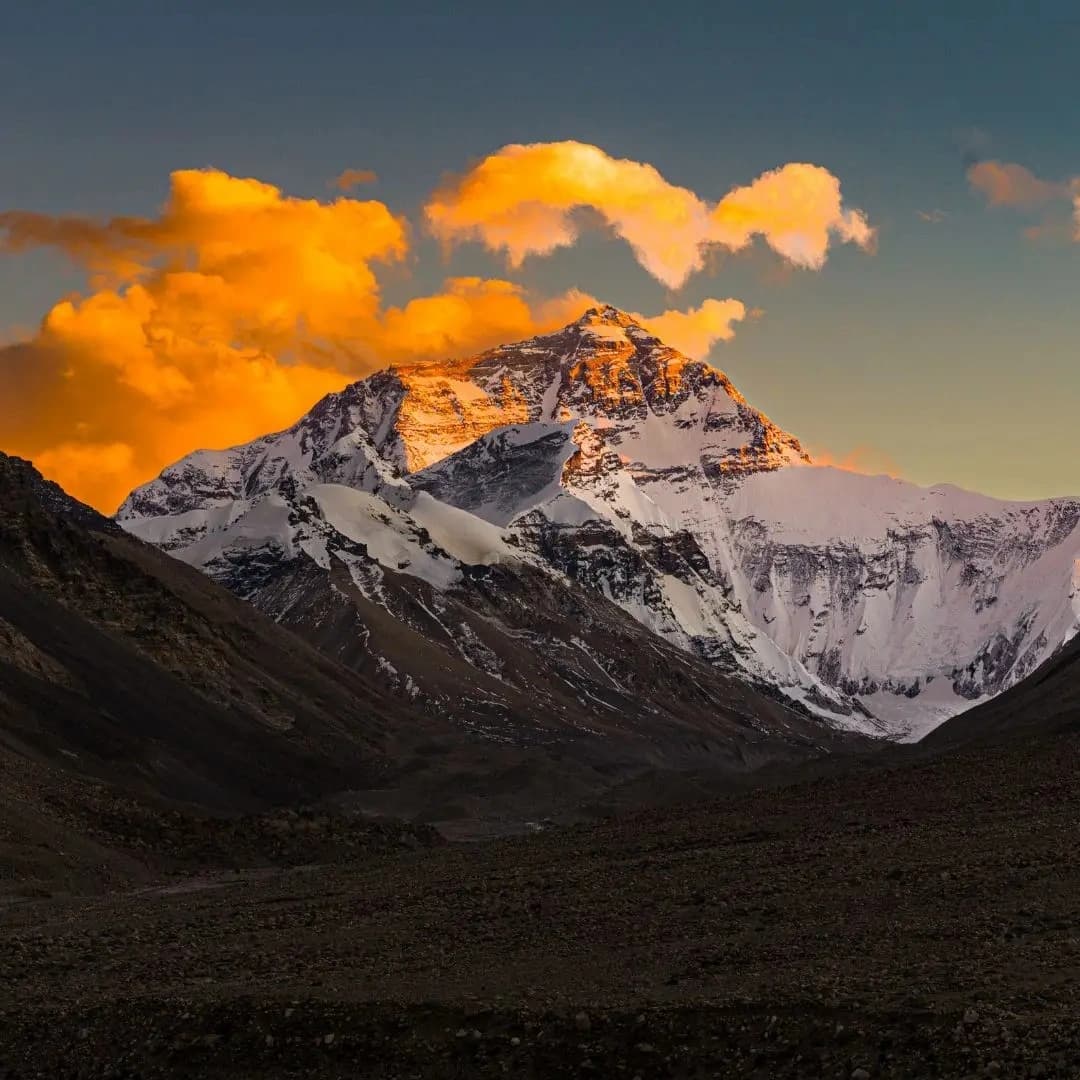
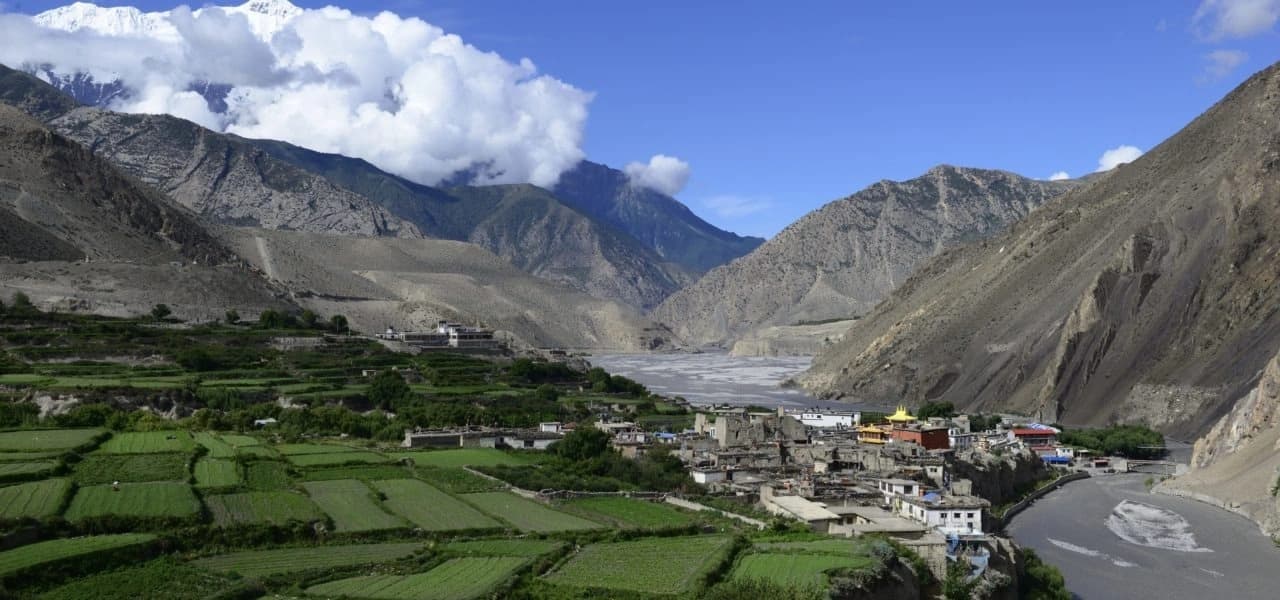
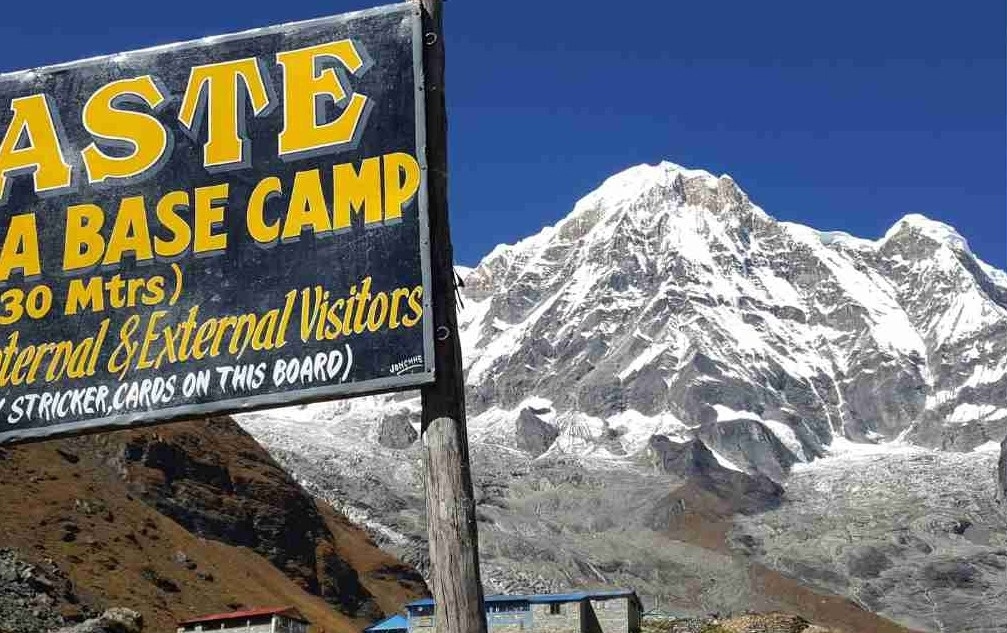
The Annapurna Base Camp Trek in September is a Himalayan trekking journey to 4,130 metres inside the Annapurna Sanctuary, connecting Pokhara with traditional Gurung and Magar villages, terraced hillsides, rhododendron and bamboo forests, alpine landscapes, and the dramatic mountain amphitheatre surrounding Annapurna Base Camp. September marks the transition from the summer monsoon to the autumn trekking season, so conditions change noticeably throughout the month. Early September can bring humid weather, afternoon rain, muddy trails, slippery stone steps, leeches, and cloud around the lower elevations, while the later weeks generally become drier and clearer. The changing weather also creates a distinct rhythm on the trail, with early-morning trekking offering the best opportunity for views of Annapurna I, Machhapuchhre, Hiunchuli, and surrounding peaks before afternoon clouds develop.
A September Annapurna Base Camp trek suits hikers who want lush post-monsoon scenery, fewer crowds than the October and November peak, and the possibility of clearer mountain views as autumn approaches, while accepting greater weather variability during the first half of the month. The journey normally involves 7 to 9 trekking days within a 10-to-14-day Nepal itinerary, with sustained hiking, substantial stone staircases, elevation gains, and exposure to temperatures near freezing at Base Camp. Successful planning therefore requires more than choosing the right departure date: trekkers need appropriate rain and cold-weather clothing, altitude preparation, reliable transportation, weather-delay flexibility, the required Annapurna Conservation Area Permit (ACAP) and TIMS documentation, and a licensed guide for foreign nationals. This guide covers September weather and rainfall, mountain visibility, the complete route and daily distances, trail conditions, trekking difficulty, altitude-sickness precautions, packing requirements, teahouses, permits, transportation, guide and porter services, and the expected cost of an Annapurna Base Camp Trek in September.
Why Is September a Good Month for the Annapurna Base Camp Trek?
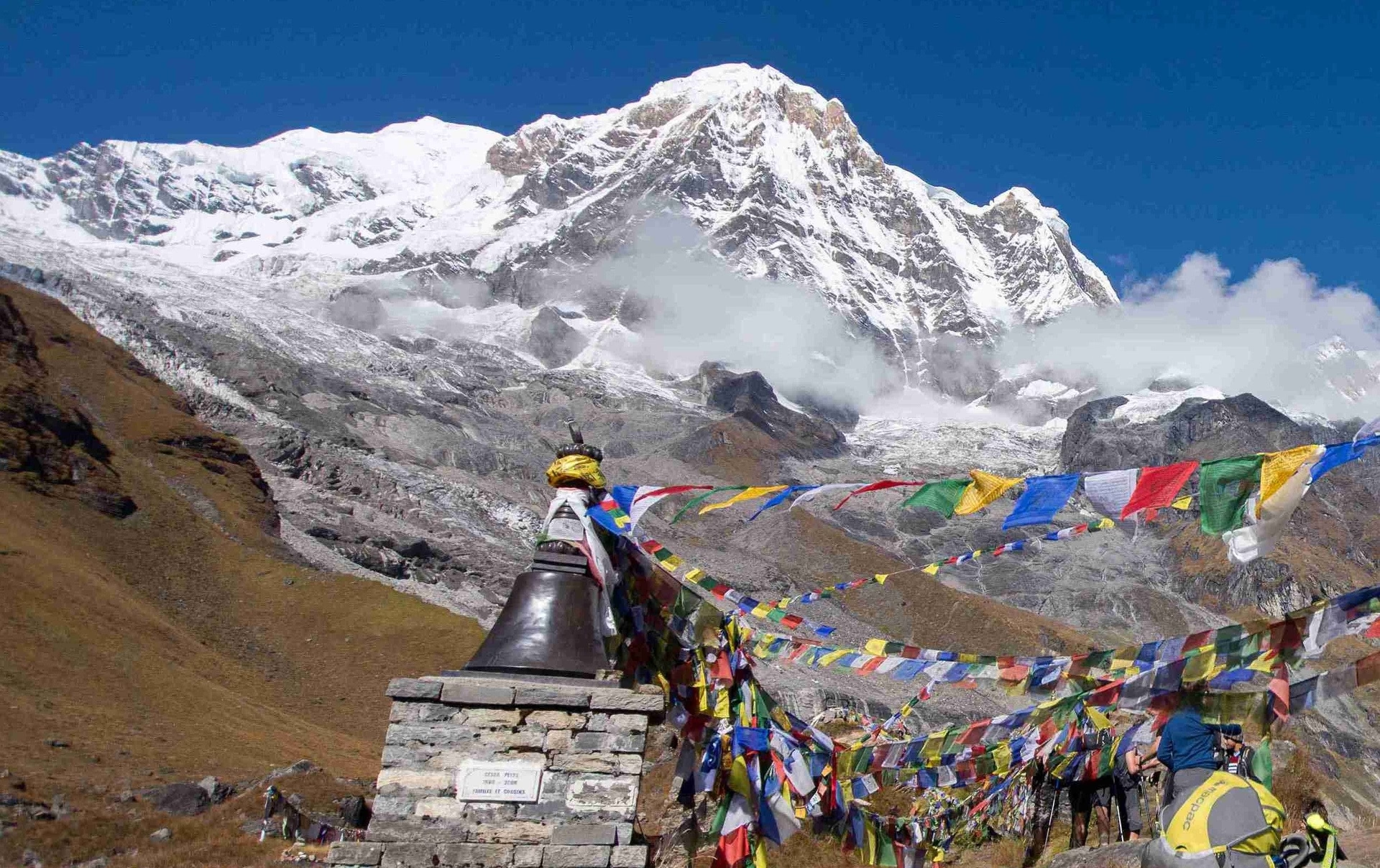
September works because it sits between two trekking personalities: monsoon greenery and autumn clarity. The Annapurna Sanctuary looks its most alive in September, with waterfalls at full flow, terraced fields at peak green, and rhododendron and bamboo forest still holding the moisture of the monsoon.
Trail traffic in September stays noticeably lower than the October and November peak, which means quicker teahouse bookings, more attentive service from lodge owners, and quieter viewpoints at Poon Hill and Base Camp itself. Trekkers who prioritize solitude and lush scenery over guaranteed dry trails consistently rate September ahead of October for the overall experience, even though October wins on pure weather statistics. The trade-off is honest: September asks for more flexibility around rain and mud in exchange for a trail that feels less like a queue.
What Is the Weather Like at Annapurna Base Camp in September?
Annapurna Base Camp in September sees daytime highs of 5°C to 10°C and nights that drop to or below freezing, while lower villages stay warm and humid. Weather shifts sharply with elevation on this route, and September exaggerates that shift because the lower trail is still finishing its monsoon cycle while the upper trail is already easing into autumn.
The table below summarizes typical September conditions by elevation band, based on patterns reported across recent trekking seasons.
Location | Elevation | Daytime Temperature | Night Temperature |
Pokhara / Nayapul | 800–1,000 m | 18–28°C | 15–18°C |
Ghandruk / Chhomrong | 1,900–2,200 m | 15–24°C | 10–14°C |
Bamboo / Dovan | 2,300–2,600 m | 12–20°C | 5–10°C |
Deurali | 3,200 m | 8–15°C | 0–5°C |
Machhapuchhre Base Camp | 3,700 m | 5–13°C | -1–5°C |
Annapurna Base Camp | 4,130 m | 5–10°C | -5–0°C |
Layering matters more in September than in any other autumn month. A morning at Chhomrong can start at 10°C, hit 22°C by midday sun, and drop back to single digits within an hour of sunset. Trekkers who pack for "October weather" and skip a warm layer regularly regret it above Deurali.
How Much Rain Should You Expect During the Annapurna Base Camp Trek?
September rainfall concentrates in the first two to three weeks and mostly falls in short afternoon or evening bursts rather than all-day downpours. This is the single biggest difference between September and true monsoon months.
Morning trekking hours stay largely dry through the whole month, which is why guides on this route consistently push for early starts, typically before 7 a.m. Clouds build through the late morning and rain, when it comes, tends to arrive between 1 p.m. and 6 p.m. By the third week of September, rainfall in the Annapurna region typically eases, though Nepal's Department of Hydrology and Meteorology's 2025 climate summary puts the country's normal monsoon withdrawal date at October 2, with the 2025 monsoon actually retreating eight days later than that, so treat late September as a transition window rather than a guaranteed dry cut-off. A common mistake among first-time September trekkers is scheduling a late start to "sleep in," which stacks the riskiest weather window directly against the day's hardest climbing.
What Are the Mountain Views on Annapurna Trail Like in September?
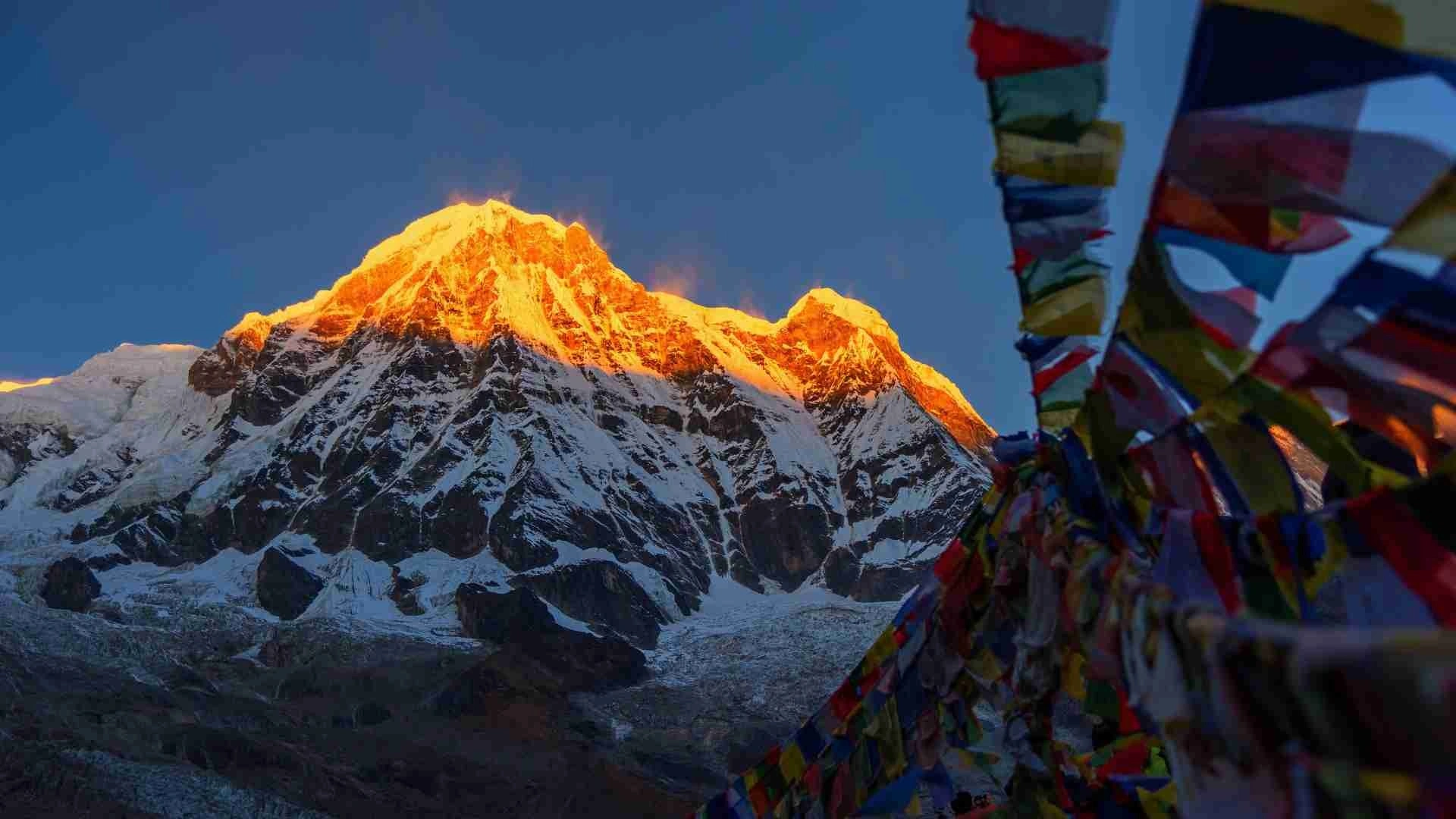
Mountain views in September start hazy in week one and sharpen steadily, with Annapurna I, Machhapuchhre, and Hiunchuli fully exposed on clear mornings by the final week. Post-monsoon dust and pollution have not yet built up in the air, so when the sky does clear, visibility often exceeds what October delivers on an average day.
The catch is timing, not luck. Morning views from Poon Hill, Chhomrong, and the approach to Base Camp are consistently the clearest window of the day; afternoon cloud buildup can swallow the same peaks within two hours. Trekkers chasing photography should treat 6 a.m. to 9 a.m. as the reliable viewing window throughout September, with the odds of an all-day clear sky improving from roughly one in three in early September to better than even by the last week.
What Is the Annapurna Base Camp Trek Route in September?
The Annapurna Base Camp trek route runs from Pokhara through Ghandruk or Ghorepani, along the Modi Khola valley, to the sanctuary floor at 4,130 metres, and September conditions affect river crossings and lower forest sections more than the upper trail.
Where Does the Annapurna Base Camp Trek Start and End?
The trek starts with a drive from Pokhara to a trailhead village, commonly Nayapul, Kimche, or Ghandruk, and ends by retracing a similar route back to Pokhara. Most itineraries, including the classic Ghorepani–Poon Hill approach, begin with a scenic drive of roughly 1.5 to 3 hours out of Pokhara before boots hit the trail. Trekkers finish either by driving directly back from Jhinu Danda or Siwai, or by adding a short jeep transfer that shaves a day off the return leg.
September's partially unsurfaced approach roads can be muddier than in dry months, so a private vehicle or 4WD jeep is a safer choice for trailhead transfers than a standard car during the first half of the month.
Which Villages and Landscapes Does the September Annapurna Route Pass Through?
The route passes through Gurung and Magar villages, Ghandruk, Chhomrong, Sinuwa, and Bamboo, before climbing through bamboo and rhododendron forest into alpine meadow and finally the glacial basin at Annapurna Base Camp. Each of these stops has a distinct character in September specifically.
Ghandruk and Chhomrong sit in the warm, terraced mid-hills, where September rain keeps the rice paddies and millet fields intensely green.
Sinuwa and Bamboo mark the entrance to dense, humid forest, the section most affected by September's residual moisture and the one place leeches concentrate.
Deurali and Machhapuchhre Base Camp cross into alpine terrain, where the September transition to drier, cooler air becomes obvious within a single day's walk.
Annapurna Base Camp itself sits inside a natural amphitheatre of 7,000-metre and 8,000-metre peaks, a landscape that looks dramatically different depending on whether cloud has settled in or lifted.
How Many Days Does the Annapurna Base Camp Trek Take?
.webp)
A standard Annapurna Base Camp trek, including travel days in Kathmandu and Pokhara, takes 10 to 14 days, with 7 to 9 of those days spent walking on the trail. Faster, fitter-group itineraries compress the walking portion to 6 days; slower-paced trips with extra acclimatization or hot-spring rest days extend it to 9 or 10.
What Are the Daily Trekking Distances and Elevation Gains of Annapurna Base Camp?
Daily trekking distances on the Annapurna Base Camp route range from 6 km to 16 km, with elevation gains between 300 m and 1,000 m per day depending on direction and terrain. The table below shows a representative 12-day itinerary using the Ghorepani–Poon Hill approach.
Day | Route Segment | Elevation | Distance | Duration |
2 | Pokhara → Banthati → Ghorepani | 2,880 m | 6.3 km | 3–4 hrs |
3 | Poon Hill sunrise → Tadapani | 2,630 m | 11.1 km | 5–6 hrs |
4 | Tadapani → Chhomrong | 2,170 m | 8.6 km | 5 hrs |
5 | Chhomrong → Bamboo | 2,317 m | 7.6 km | 5 hrs |
6 | Bamboo → Deurali | 3,200 m | 7.1 km | 5 hrs |
7 | Deurali → Annapurna Base Camp | 4,130 m | 9.3 km | 5 hrs |
8 | Annapurna Base Camp → Bamboo | 2,317 m | 16.4 km | 6–7 hrs |
9 | Bamboo → Jhinu Danda → drive to Pokhara | 1,780 m | 9.6 km | 5 hrs |
The descent days carry the longest distances of the whole trek, since gravity allows faster covering of ground; Day 8 alone covers nearly double the distance of the ascent day into Base Camp. Trekkers who underestimate descent fatigue often find their knees, not their lungs, are the limiting factor on this trip.
What Are the Annapurna Base Camp Trek Conditions in September?
Trail conditions in September are wettest and muddiest in the first two weeks, then improve steadily as the monsoon retreats and the route dries out by late month.
Are the Trails Muddy or Slippery on Annapurna Trail During September?
Yes, sections between Jhinu Danda, Chhomrong, and Bamboo carry the highest risk of mud and slippery stone steps through the first half of September. Stone staircases, a defining feature of this route, become genuinely slick after rain. Trekking poles reduce slip-related falls noticeably on these sections, and lodge owners along the trail routinely recommend gaiters for exactly this stretch. By the final week of September, the same trail sections are typically dry enough that this concern largely disappears.
Are Leeches a Problem on the Annapurna Base Camp Trek?
Leeches are present in the humid forest between roughly 1,500 m and 2,500 m through most of September, tapering off sharply as the trail dries after mid-month. They concentrate in the Jhinu Danda to Bamboo stretch, particularly on damp leaf litter just off the main path. Salt, a leech-repellent spray containing DEET, and gaiters tucked over trouser cuffs handle the problem effectively; checking boots and socks at rest stops catches anything that gets through. Leeches cause discomfort and minor bleeding, not medical risk, and most trekkers stop noticing them entirely once they reach Deurali's cooler, drier air.
How Busy Is Annapurna Base Camp in September?
Annapurna Base Camp sees moderate, steadily rising trekker traffic through September, well below the October and November peak but busier than the June-to-August monsoon lull. Teahouse rooms are rarely fully booked in the first three weeks, giving trekkers more flexibility to choose accommodation and negotiate later starts. Traffic picks up noticeably in the final week as the weather stabilizes and early-autumn arrivals overlap with the tail end of the September crowd, a good reason to book teahouse-heavy overnight stops in advance if trekking after September 20.
Are Teahouses and Trekking Facilities Open on Annapurna Base Camp in September?
Yes, all teahouses along the standard Annapurna Base Camp route operate fully in September, with the same menu, room, and charging facilities as the rest of the autumn season. Owners typically finish off-season repairs by early September in anticipation of the autumn rush, so facilities are, if anything, in better condition than the tail end of the busy October–November stretch. Hot showers, Wi-Fi, and device charging remain available at most stops below 3,000 m, tapering to solar-dependent and metered access above Deurali, standard for the whole Annapurna Sanctuary regardless of season.
How Difficult Is the Annapurna Base Camp Trek in September?
The Annapurna Base Camp trek rates as moderately difficult, requiring sustained daily hiking of 5 to 7 hours rather than technical climbing skill, and September's mud adds a physical demand that dry-season months don't.
What Fitness Level Is Needed for the Annapurna Base Camp Trek?
A baseline of regular cardiovascular exercise and the ability to walk 5 to 7 hours on consecutive days with a daypack covers the fitness demand of this trek. No prior high-altitude or technical mountaineering experience is required, since the route stays on established trail and tops out below 4,200 m. Leg strength matters more than raw endurance here: the stone staircases between Ulleri, Chhomrong, and Sinuwa punish weak knees and ankles on both the climb and, more severely, the descent.
How Can You Prepare for Long Hiking Days?
Six to eight weeks of hill walking with a loaded daypack, combined with stair training and two to three cardio sessions per week, builds adequate readiness for consecutive 5-to-7-hour trekking days. Training on actual inclines and declines, rather than flat treadmill walking, prepares the specific muscles this trail demands. Trekkers who train exclusively on flat terrain commonly report their first real difficulty on the Chhomrong descent, not the Base Camp ascent, because downhill stone steps load the quadriceps and knees in a way flat training never simulates.
How Can You Reduce the Risk of Altitude Sickness?
Gradual ascent, hydration of 3 to 4 litres of water daily, and honest symptom-tracking reduce the risk of acute mountain sickness (AMS) on the Annapurna Base Camp route. AMS onset above 3,000 m shows up as headache, nausea, dizziness, or loss of appetite; ignoring these symptoms and continuing to ascend converts a manageable issue into a dangerous one. The Annapurna Base Camp itinerary's natural pacing, spending a night at Chhomrong (2,170 m) and Deurali (3,200 m) before the final push, already builds in useful acclimatization, unlike routes that push straight to altitude.
Best practices that guides on this route consistently apply:
Ascend to Base Camp and descend the same day when weather allows, rather than sleeping two nights at the highest point.
Treat any worsening headache after rest as a signal to descend, not push through.
Discuss acetazolamide (Diamox) with a travel medicine doctor before departure, the Wilderness Medical Society's 2024 clinical practice guidelines set specific, evidence-graded dosing recommendations for AMS prevention, rather than self-prescribing on the trail.
Avoid alcohol and sleeping pills above 3,000 m, since both mask or worsen AMS symptoms.
What Should You Do If the September Weather Causes Delays?
Build one or two buffer days into a September itinerary and treat flight or trail delays as an expected part of the trip rather than an exception. Kathmandu–Pokhara flights face the highest weather-related delay risk of the entire trip, more so than anything on the trail itself, since low cloud over the valley can ground flights for hours. Reviewing typical flight delays and cancellations patterns on this route beforehand helps trekkers set a realistic buffer. Trekkers with tight return-flight connections face the most stress here; scheduling at least one spare day before an international departure absorbs most weather disruption without forcing a rushed final stretch. Travel insurance that explicitly covers weather-related trip delay, not just medical evacuation, closes the remaining gap.
What Should You Pack for the Annapurna Base Camp Trek in September?
A September packing list needs both warm-weather, quick-dry gear for the lower trail and cold-weather insulation for Base Camp, since the trek crosses nearly every climate zone Nepal has in one week.
Which Clothing Is Best for Warm and Wet Lower Trails?
Moisture-wicking synthetic or merino base layers, quick-dry trekking trousers, and a breathable long-sleeve shirt handle the warm, humid conditions between Pokhara and Chhomrong. Cotton performs poorly here: it stays wet long after a shower passes and chafes on multi-hour walking days. A lightweight long-sleeve layer also reduces leech contact on the Jhinu-to-Bamboo stretch, doubling as sun protection at lower altitude.
What Rain Gear Should You Bring on Annapurna Base Camp for September?
A waterproof, breathable jacket rated for at least a 10,000 mm hydrostatic head, waterproof trousers, and a rain cover for the daypack cover the rain exposure typical of September. Gaiters serve double duty this month, keeping both mud and leeches off exposed ankles. Packing everything inside dry bags or heavy-duty plastic liners inside the main duffel prevents a single afternoon shower from soaking a week's worth of clothing.
What Trekking Equipment Is Essential at High Altitude?
Trekking poles, a reliable headlamp, UV400-rated sunglasses, high-SPF sunscreen, and a personal water purification method make up the essential equipment above 3,000 m. Poles reduce joint strain on both the muddy lower sections and the loose scree above Deurali. A basic first-aid kit with a pulse oximeter lets trekkers monitor their own blood oxygen saturation, an early and objective warning sign of altitude stress that symptoms alone can miss.
How Should You Prepare for Cold Nights at Annapurna Base Camp?
A sleeping bag rated to at least -10°C, a insulated down jacket, and a base-layer set reserved for sleeping cover the near-freezing nights at Base Camp and Deurali. Teahouse rooms above 3,000 m are unheated, and blankets provided by lodges rarely substitute for a properly rated bag. A sleeping bag liner adds several degrees of warmth and keeps the rented or owned bag cleaner across a multi-day trek.
What Should You Know Before Trekking to Annapurna Base Camp in September?
A September Annapurna Base Camp trek requires two permits, a licensed guide, and a realistic budget that accounts for group size, and planning all three before arrival avoids the most common last-minute problems.
What Permits Are Required for the Annapurna Base Camp Trek?
The Annapurna Conservation Area Permit (ACAP) and the Trekkers' Information Management System (TIMS) card are both required for the Annapurna Base Camp trek, and a licensed guide is mandatory for all foreign trekkers. The table below breaks down the current fee structure.
Permit | Foreign Nationals | SAARC Nationals | Nepali Citizens |
ACAP | NPR 3,000 (≈ USD 23) | NPR 1,000 | NPR 100 with citizenship proof |
TIMS | NPR 2,000 (flat fee for all foreign trekkers) | NPR 1,000 (SAARC nationals) | Not required |
Children under 10 are exempt from the ACAP fee regardless of nationality. Since April 2023, every foreign trekker in the Annapurna Conservation Area must travel with a licensed guide booked through a government-registered agency; independent trekking without a guide is strictly prohibited. Single travelers must still hire a guide and obtain the standardized agency TIMS card. Nepali nationals can trek the route independently and without the ACAP fee, though carrying citizenship documentation at checkpoints is still required.
How Much Does the Annapurna Base Camp Trek Cost in September?
A guided Annapurna Base Camp trek in September typically costs between USD 765 and USD 1,120 per person, with the price falling as group size increases. September's shoulder-season status can bring modestly better group availability and pricing flexibility than the October peak, Nepal Tourism Board data show tourism-related foreign exchange earnings for the mid-August-to-mid-September window rose 7.34% year-on-year in 2025, since agencies have more room to combine smaller bookings into shared departures.
Group Size | Approximate Price Per Person |
1 traveler (private) | USD 1,120 |
2–4 travelers | USD 920 |
5–8 travelers | USD 875 |
9–12 travelers | USD 815 |
13–20 travelers | USD 765 |
A full-service package at this price point generally includes permits, a licensed guide and porter, teahouse accommodation, three daily meals on the trail, domestic flights between Kathmandu and Pokhara, and airport transfers. It typically excludes international airfare, Nepal visa fees, travel insurance, alcoholic and bottled drinks, and tips, a budget line first-time trekkers commonly underestimate by USD 100 to USD 150 across a 12-day trip.
Should You Hire a Guide or Porter for the Annapurna Base Camp Trek?
A licensed guide is legally mandatory for foreign trekkers in the Annapurna Conservation Area, and a porter, while optional, meaningfully improves the experience on a route with significant daily elevation change. Guides carry the local trail knowledge, checkpoint documentation, and first-aid training that turn a generic hike into a safer, better-paced trip; most agencies pair one porter with every two trekkers, keeping daypack loads to camera gear, water, and rain shells. Trekkers debating whether a porter is "worth it" tend to answer that question decisively somewhere around Day 6, once cumulative fatigue from unassisted pack-carrying sets in.
How Can You Plan Transportation to and From the Trailhead?
A domestic flight or an 8-to-10-hour tourist bus connects Kathmandu to Pokhara, followed by a 1.5-to-3-hour private jeep or shared vehicle to the trailhead village. September's partially wet approach roads make a 4WD jeep the more reliable choice over a standard car for the Pokhara-to-trailhead leg, particularly for the stretch beyond Nayapul. Return transport typically mirrors the outbound route, though trekkers finishing at Jhinu Danda instead of Nayapul save a walking day at the cost of a slightly longer drive back to Pokhara.
How Can Nepal Intrepid Treks Help You Plan an Annapurna Base Camp Trek in September?
Nepal Intrepid Treks handles permits, guide and porter assignment, teahouse bookings, and itinerary pacing for Annapurna Base Camp departures, drawing on more than 12 years of operating treks in the Annapurna region. The agency, based in Nayabazar, Kathmandu, is registered with the Government of Nepal, the Nepal Tourism Board, the Nepal Mountaineering Association, and the Trekking Agencies' Association of Nepal, and holds a 5.0 rating across more than 150 TripAdvisor reviews.
A standard Annapurna Base Camp package includes ACAP and TIMS documentation, an English-speaking guide and porter (one porter per two trekkers), three daily meals on the trail, a first-aid kit with a pulse oximeter for altitude monitoring, and a rated sleeping bag and down jacket for the cold nights above Deurali. September bookings benefit from the same route-planning judgment call every trek needs this month: guides adjust daily start times and rest stops around the morning-clear, afternoon-cloud pattern typical of the season, rather than following a fixed autumn-month schedule that ignores September's specific rhythm.
Can Nepal Intrepid Treks Arrange a September Annapurna Base Camp Trek?
Yes, Nepal Intrepid Treks arranges both fixed group departures and private, custom-dated Annapurna Base Camp treks for September, with pricing scaled to group size from solo travelers to groups of 20. Solo trekkers can join a private departure for a single-traveler surcharge or wait for a group match, while travel parties of any size can request a custom start date built around specific fitness levels or extra acclimatization days. Trekkers can request a trip itinerary and availability check directly through the agency's booking page, or reach the team by WhatsApp or email for a same-day response on September dates. Reviewing the equipment checklist and trekker preparation guide before booking helps align expectations with what a September departure actually requires.
Trekkers weighing alternatives within the same region can also compare the Mardi Himal Trek for a shorter, lower-altitude option, the Annapurna Circuit Trek with Tilicho Lake for a longer high-pass route, or the Luxury Annapurna Base Camp Trek for upgraded lodge accommodation on the same trail.
What Are the Key Takeaways for Trekking to Annapurna Base Camp in September?
The Annapurna Base Camp Trek in September rewards trekkers who plan around a transitional month: wetter and muddier in the first two weeks, progressively clearer and drier by the last week, with lower crowds throughout than the October peak. Pack for both humid lower trails and near-freezing nights at Base Camp, budget one or two buffer days for weather-related flight delays, and treat the mandatory guide requirement as a safety asset rather than a formality.
September will not deliver October's guaranteed blue skies, and any trek description claiming otherwise oversells the month. What it delivers instead is a quieter, greener version of the same 7,000-and-8,000-metre amphitheatre, at a lower price point and with more room in every teahouse along the way. For trekkers who value that trade, the Annapurna Base Camp Trek in September is one of the better-value windows in the entire Nepali trekking calendar.